EU Court Upholds Intel Antitrust Liability, Cuts Fine to €237.1 Million
The General Court of the European Union on December 10 rejected Intel’s challenge to a 2023 antitrust ruling while reducing the penalty to about €237.1 million, trimming roughly €140 million from the Commission’s original levy. The decision closes another chapter in a case that began in 2009, and it carries broader implications for enforcement against dominant firms in the semiconductor and technology sectors and for how companies structure commercial deals with customers.
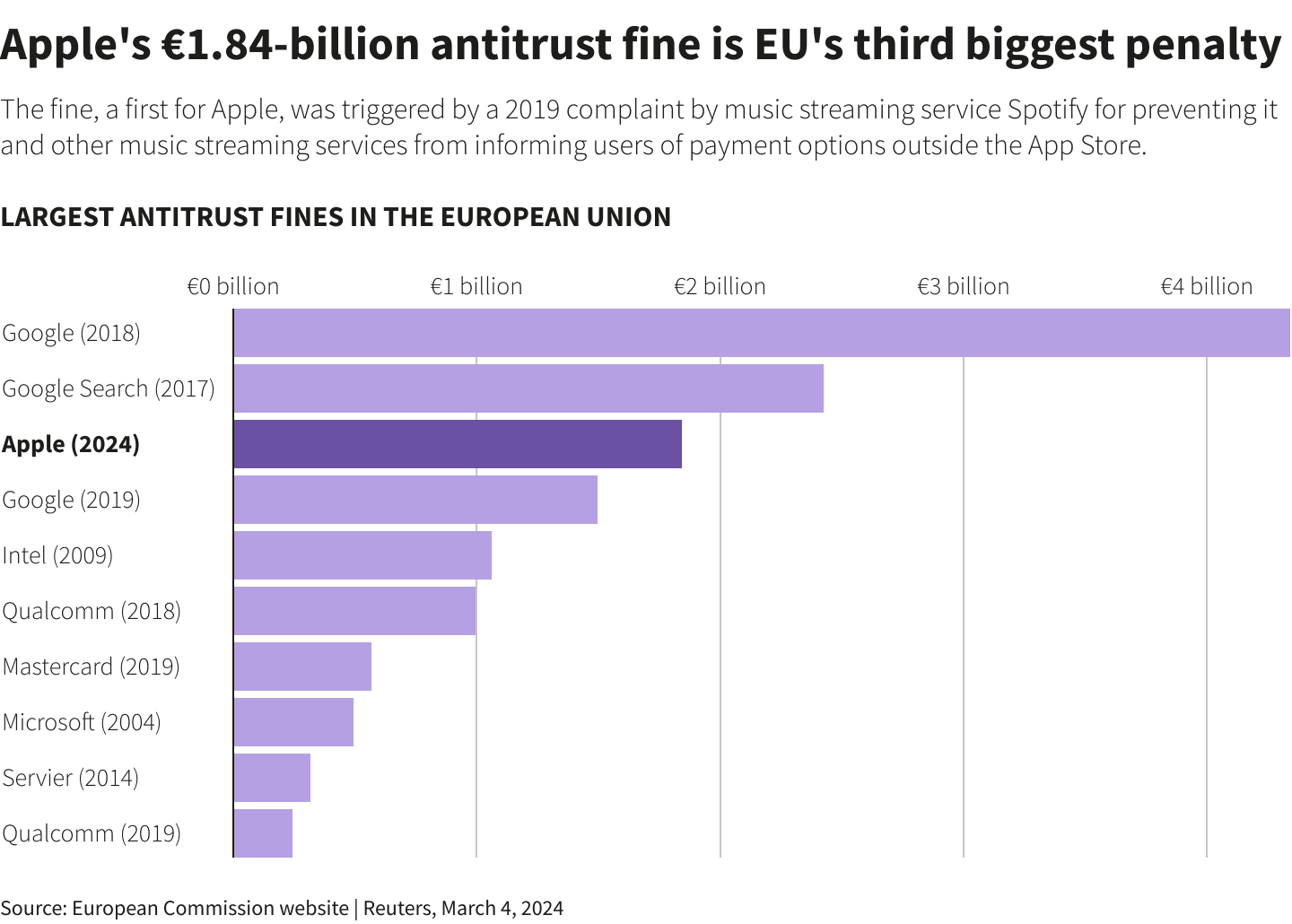
The General Court confirmed the core finding by the European Commission that Intel used payments to PC makers to restrict rivals, but it concluded a smaller financial penalty better reflected the gravity and duration of the infringement. The court reduced the fine by roughly €140 million to about €237.1 million, a judgment meant to recalibrate sanctions while maintaining the underlying liability established in the 2023 decision.
The dispute traces back to 2009 and has been subject to repeated appeals, recalculations and refinements of legal reasoning for more than 16 years. Under the court’s ruling on December 10, Intel’s conduct was judged to fall within the scope of abuse of dominance law, yet the judges determined that the monetary penalty originally imposed by the Commission needed adjustment to align with legal standards for proportionality.
The financial adjustment implies the Commission’s earlier fine amounted to about €377.1 million before the court’s reduction. Both Intel and the Commission have the option to seek further review on points of law, meaning the case may yet move to the Court of Justice of the European Union. Either scenario could offer additional clarification on how European antitrust law treats loyalty inducing payments and related rebate schemes in platform and hardware markets.
Beyond the immediate numbers, the decision matters for markets and policy. For semiconductor incumbents and their corporate customers, the ruling reaffirms that conditional payments or rebate structures tied to exclusivity or de facto exclusion can attract sustained scrutiny and significant penalties. That signal is particularly relevant in a sector where scale, long term contracts and rapid product cycles interact to shape competitive dynamics. Investors and corporate treasuries will note that while the reduced fine eases near term cash exposure for Intel, legal uncertainty and the prospect of future damages claims or compliance costs remain material.

For EU competition policy the ruling underscores the Commission and the courts continuing effort to police dominant positions in technology intensive industries. The judgment adds to a body of case law that regulators can draw on when assessing conduct by large platform and chip firms. It also carries implications for remedies. Authorities may increasingly prefer clearer, quantifiable adjustments to contract practices and pricing policies as an alternative to structural interventions, while firms will likely revisit contract design and discounting practices to blunt regulatory risk.
The long running nature of the litigation is a reminder of the trade off between thorough enforcement and legal finality. For rivals seeking redress, the court’s confirmation of liability strengthens the factual record that underpins damage claims in national courts. For policymakers, the decision highlights the need to balance deterrence against overreach, particularly in markets where rapid innovation and scale economies complicate the assessment of competitive harm.
As the semiconductor industry continues to draw regulatory attention globally, the case will be watched for guidance on the acceptable boundaries of commercial incentives and for its influence on the strategic behavior of dominant suppliers and their customers.
Sources:
Know something we missed? Have a correction or additional information?
Submit a Tip