EU Opens Antitrust Probe Into Google Over AI Training Practices
The European Commission launched a formal antitrust investigation into Alphabet’s Google on December 9 to examine whether the company used publishers’ online content and YouTube videos to train and power its AI services without adequate compensation or a way for creators to refuse use. The inquiry could set precedent for how large technology platforms can draw on creative material to build artificial intelligence, and it carries potential fines up to 10 percent of global revenue.

Brussels opened a formal investigation on December 9 to determine whether Google abused a dominant market position by using news publishers’ websites and YouTube videos to train and power AI services, notably AI generated overviews that appear in search results. The European Commission said it will assess whether Google imposed unfair conditions on publishers or gave itself privileged access that disadvantaged rival AI developers, marking a deepening regulatory scrutiny of how major technology firms collect and exploit online content.
The probe targets two intertwined concerns. First is the commercial relationship between Google and creators, including whether the company has used journalistic and video content to build AI features without adequate payment or a mechanism for creators to opt out. Second is the competitive dynamic between Google and other AI developers, with Brussels probing whether Google’s control over indexing and proprietary data gives it an unfair advantage in the emerging market for AI driven interfaces and services.
The case arrives amid an intensifying European effort to regulate data use and artificial intelligence. European regulators have signaled that unchecked access to large bodies of creative work by dominant platforms could distort markets and hollow out the economic incentives for content production. At stake is both the livelihoods of publishers and creators, and the broader architecture of competition among companies building generative AI products.
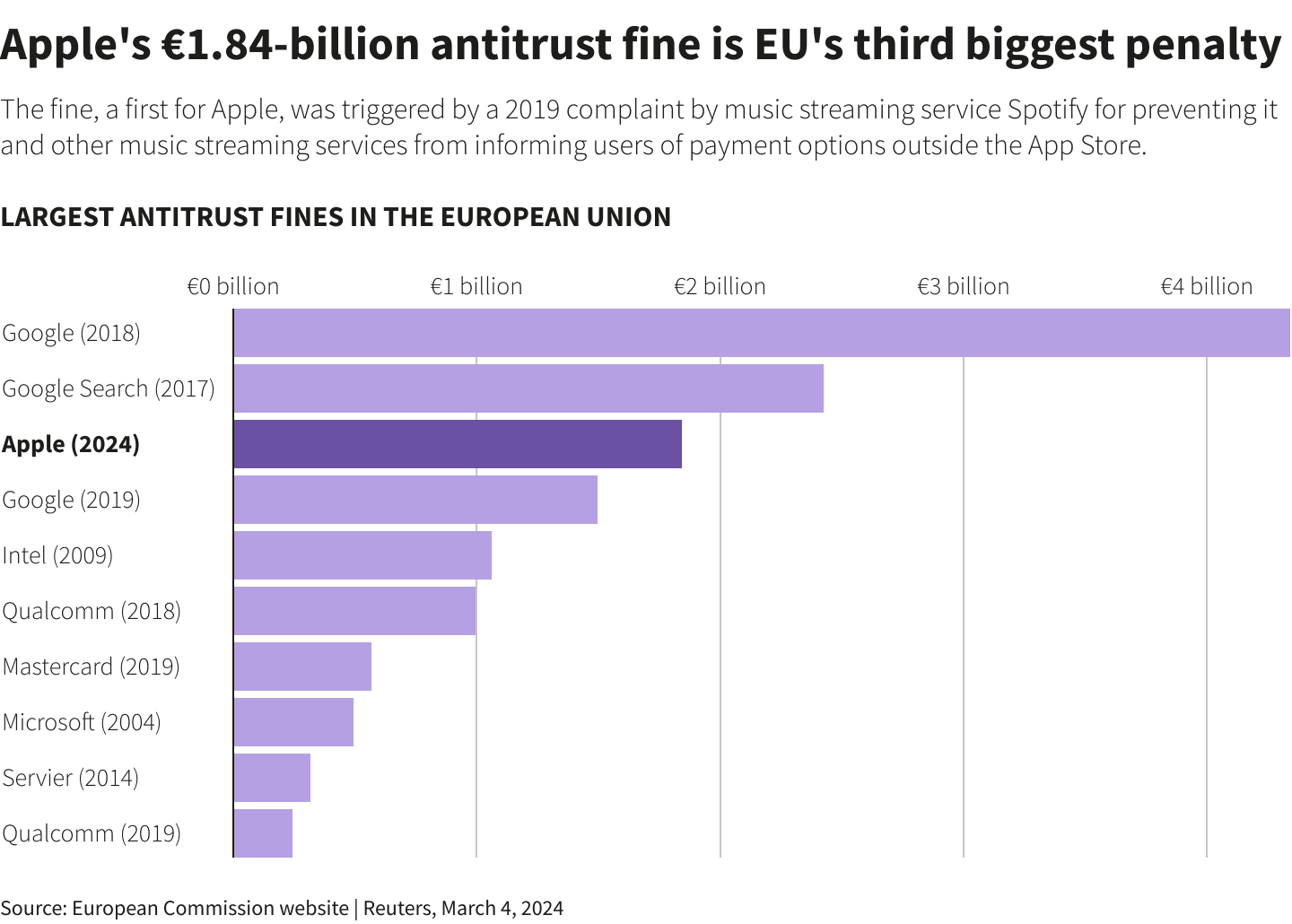
Legal consequences could be significant. If the Commission concludes that Google breached EU antitrust rules it can impose fines up to 10 percent of global turnover. The inquiry also opens the door to remedies that could reshape contractual arrangements between platforms and content producers, and impose technical or operational restrictions on how firms collect, store, and reuse online material for model training.

Google said it would engage with regulators and warned that heavy handed interventions risked stifling innovation. The company has previously argued that AI driven search features improve user experience by summarizing diverse sources and by directing traffic to original publishers. Google’s public statements did not alter the Commission’s decision to proceed to a formal probe, a step that grants investigators broader powers to gather evidence and compel information.
For publishers and creators the investigation offers a potential path to address concerns about compensation and consent. For rival AI developers it raises the prospect of a more level playing field if regulators find that platform owners leveraged privileged access to build competing AI features. Observers caution however that any regulatory outcome will need to balance incentives for creative production with the technical realities of training large scale models, including the scale and diversity of training data they require.
The inquiry is likely to unfold over months and could influence parallel debates worldwide about data governance and the rights of content creators in the age of artificial intelligence. As Brussels presses forward, the contours of legal and commercial norms for AI training data are beginning to take shape.
Sources:
Know something we missed? Have a correction or additional information?
Submit a Tip