European Nations Agree to Reconsider Postwar Protections for Migrants
European Union officials meeting at a migration and trafficking conference agreed to consider changes to asylum rules and protections established after World War Two, saying legal frameworks need updating to respond to present day migration flows and organized smuggling. Human rights advocates cautioned that weakening long standing safeguards could endanger vulnerable people, while EU leaders said any reform would require careful negotiation among member states and strict adherence to international obligations.

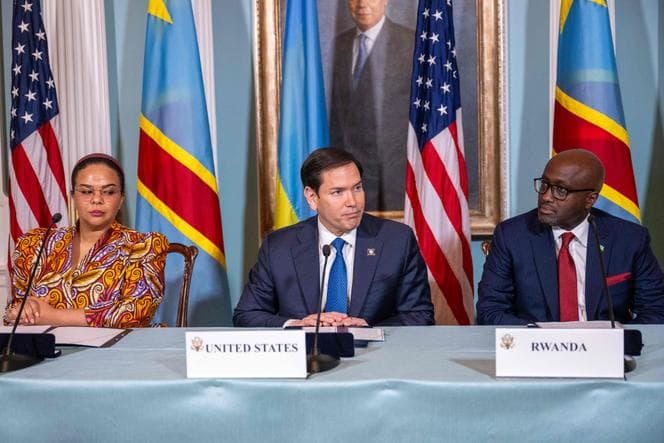
European Union officials at a migration and trafficking conference on December 10 agreed to open a review of legal protections for migrants that trace back to the post World War Two settlement, officials said. The discussions focused on modernizing asylum laws and migration rules to address current patterns of movement and increasingly sophisticated smuggling networks, reflecting growing impatience among some capitals with what they describe as outdated provisions.
The decision to consider change stops short of concrete proposals. Officials framed the review as an exercise in updating legal instruments and procedures that were drafted in a very different era, with an eye to improving responses to mass movements, transit flows and criminal exploitation of migrants. Delegates emphasized that any modifications would need to be negotiated by member states and aligned with European and international legal commitments.
The move touched a sensitive nerve among rights groups and humanitarian organizations. Advocates warned that revisiting postwar protections could undermine core principles such as the prohibition on returning people to danger and the procedural safeguards that underpin refugee status determinations. They said loosening protections would have immediate human consequences for people fleeing conflict, persecution and economic collapse, and could empower states to adopt more restrictive practices.
European leaders acknowledged the tension in public remarks following the conference, noting that the legal architecture established after World War Two, and reinforced by subsequent instruments, remains a cornerstone of international human rights. They stressed that any legal revision must be consistent with the 1951 Refugee Convention and other binding treaties, and that member states must find common ground across a bloc that has repeatedly struggled to reconcile competing domestic pressures and solidarity with frontline states.

The review underscores wider diplomatic strains within Europe over burden sharing and border management. Frontline countries that handle large numbers of arrivals have long pressed for more flexible rules and greater assistance from interior states. At the same time, interior capitals face political pressures to demonstrate control over migration, creating incentives to revisit rules perceived as limiting national policy options.
Legal experts and diplomats say the practical work ahead will be complex. Revisiting foundational instruments raises questions about interpretation, compliance and enforcement. Any substantive changes would require treaty level discussion, careful vetting against human rights obligations and likely protracted negotiation in European institutions and national parliaments. The outcome will hinge on political compromise as much as legal drafting.
For migrants and refugees themselves the stakes are immediate. Changes to procedures or protections could affect access to asylum, the conditions of reception and the responsibilities of states to protect people at risk. As the EU moves from discussion to possible legislative work, advocacy groups and civil society organizations have signaled they will closely monitor the process and press for safeguards that preserve basic protections while engaging with legitimate concerns about smuggling and border security.
Sources:
Know something we missed? Have a correction or additional information?
Submit a Tip