Federal agents use pepper spray in Somali Minneapolis neighborhood
Federal immigration agents deployed pepper spray in the Cedar Riverside neighborhood of Minneapolis while checking identifications on December 9, escalating tensions in a largely Somali community and prompting protests and criticism from local leaders. The action raises urgent questions about public health, civil liberties, and oversight of enforcement practices in communities of color.
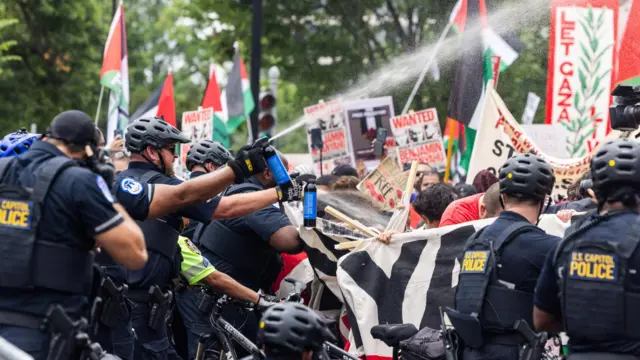
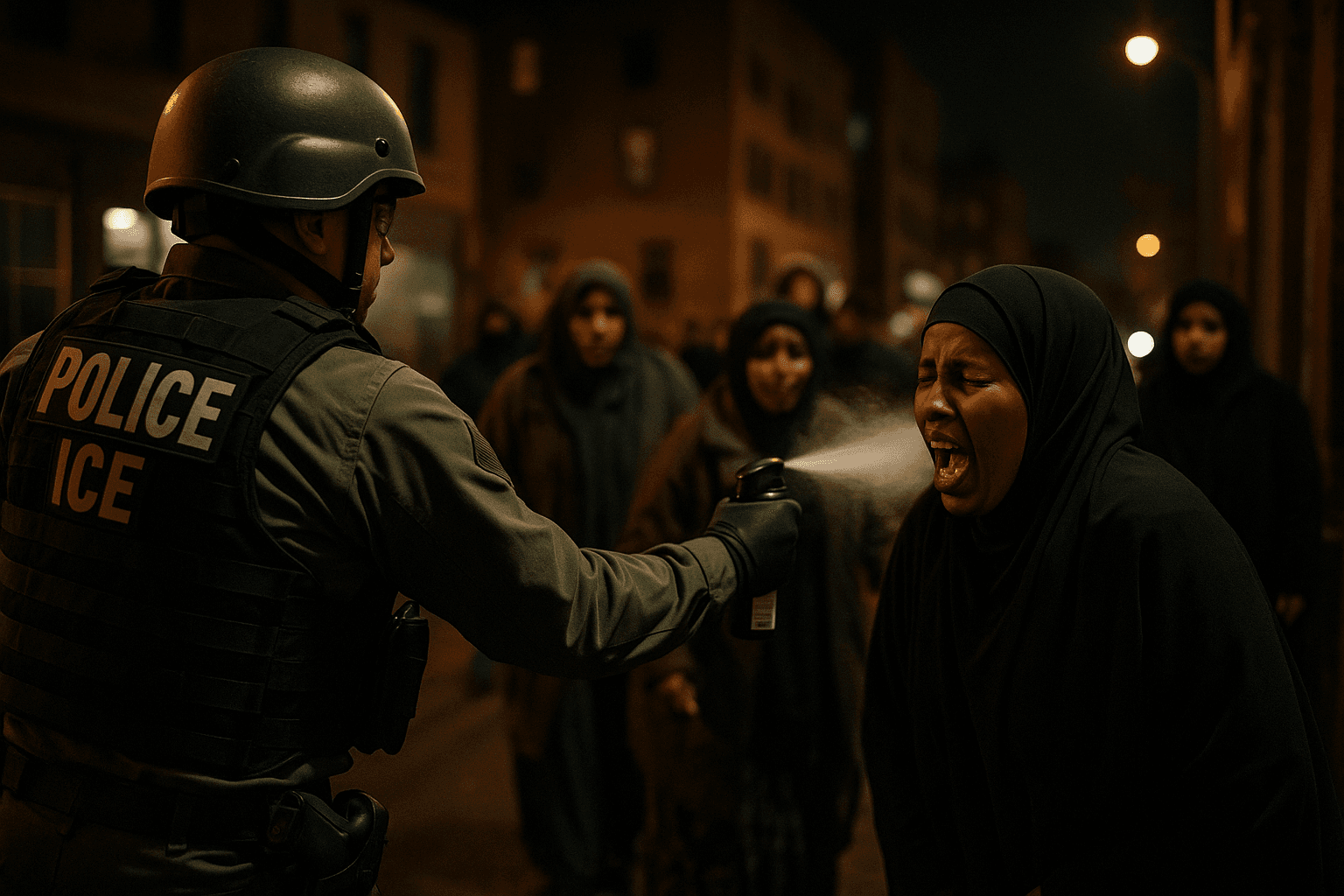
Federal immigration agents moved through the Cedar Riverside neighborhood of Minneapolis on December 9, using pepper spray to clear a crowd that had blocked agent vehicles while identifications were being checked, according to witnesses and photographic coverage. The confrontation, observed by AP photographers and local officials including City Council member Jamal Osman, came amid a broader federal enforcement push in Minnesota and heightened rhetoric aimed at migrants from Somalia.
Immigration and Customs Enforcement said no arrests were made in that neighborhood during the operation, but community members reported being stopped and asked for identification. At least one person was briefly detained, fingerprinted, shown to be a U.S. citizen and released. The presence of federal agents and the use of chemical irritants prompted immediate protests from residents and civil rights advocates and drew criticism from local leaders and Democratic officials.
The deployment of pepper spray in a dense residential area has clear public health implications. Chemical irritants such as pepper spray can cause acute eye pain, coughing and shortness of breath, and can worsen chronic respiratory conditions including asthma. Vulnerable residents, including children, older adults and people with underlying health problems, are at particular risk from exposure. Crowding around the scene increased the likelihood that people who were not involved with the enforcement action would suffer effects and may have complicated access for emergency responders and health services.
Beyond direct health harms, the episode has community wide consequences. The use of force in an ethnic enclave already concerned about selective targeting amplifies fear and mistrust of law enforcement and public institutions. Residents who fear detention or questioning may avoid medical care, social services or interactions with police, undermining public safety and public health efforts. Community leaders warn that such enforcement methods can chill civic participation and strain relationships that local health clinics and social service providers rely on to reach marginalized populations.
Policy questions raised by the incident include standards for the use of crowd control tactics during civil immigration operations, transparency about the criteria used to select targets, and mechanisms for independent oversight and accountability. Department of Homeland Security and ICE officials defended the actions as part of efforts to target criminal aliens, but critics say the pattern of raids in immigrant communities shows a need for stricter safeguards to prevent racial profiling and protect residents who are citizens.
Civil rights groups and some elected officials are calling for a formal review of the operation and for clearer protocols that prioritize deescalation and protect public health. Advocates say independent investigation, public reporting of enforcement actions and training on civil rights and medical risks should be mandatory when federal agents operate in densely populated neighborhoods.
As discussions move to city and state levels, Minneapolis faces the immediate challenge of rebuilding trust with its Somali residents while ensuring that public safety, health services and legal protections are preserved. The incident underscores how immigration enforcement tactics reverberate beyond individual encounters, affecting community health, equity and the fabric of civic life.
Sources:
Know something we missed? Have a correction or additional information?
Submit a Tip