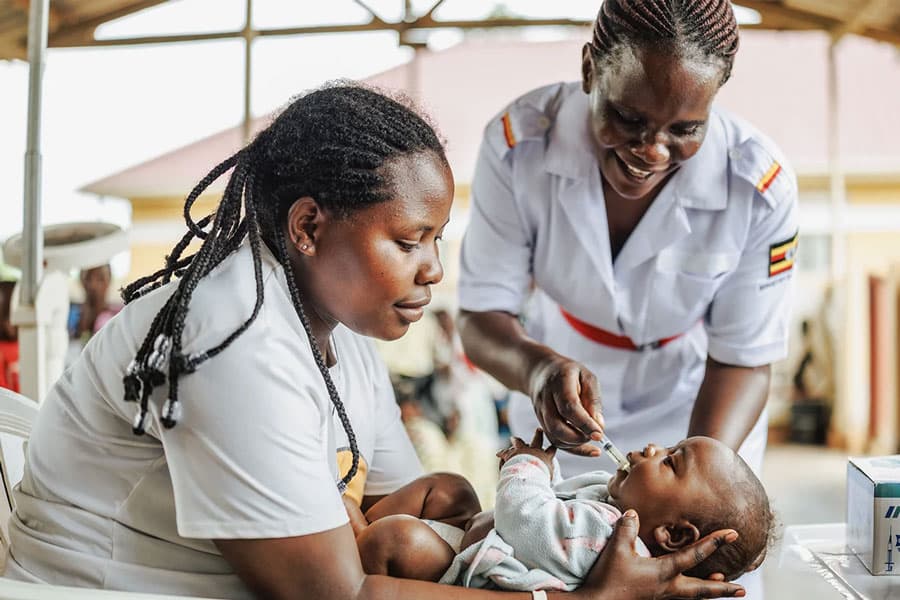
Federal Panel Ends Universal Hepatitis B Birth Dose, Recommends Targeted Approach
A federal vaccine advisory panel voted to remove the long standing recommendation that all newborns receive a hepatitis B vaccine within 24 hours of birth, a practice credited with sharply reducing infant infections. The decision shifts the choice for most infants to parents and clinicians, raising concerns about confusion, reduced coverage, and greater risk for communities with limited prenatal care.

On December 5, 2025 the Advisory Committee on Immunization Practices voted 8 to 3 to rescind the routine recommendation that all newborns receive a hepatitis B vaccine within 24 hours of birth. Under the new advisory the vaccine would remain recommended at birth for infants whose mothers test positive for hepatitis B or whose maternal status is unknown. For other infants the committee advised that parents and clinicians decide whether to vaccinate at birth or begin the series at two months.
The change overturns a policy in place since 1991 that public health officials credit with dramatically reducing infant hepatitis B infections. The panel’s vote now goes to the acting director of the Centers for Disease Control and Prevention for consideration before it could be adopted into the official CDC immunization schedule and implemented by hospitals, clinics and public health programs.
Medical societies, pediatricians and infectious disease specialists immediately warned that the shift could create confusion in delivery wards, reduce vaccine uptake and erode population level protection established over decades. Clinicians and hospital systems will have to adjust standing orders and consent procedures that in many places have made the birth dose a routine part of newborn care for more than three decades.
Public health experts and advocates say the policy change could disproportionately affect families who face barriers to prenatal care and maternal testing. Routine universal birth dosing functioned in part as a safety net for infants whose mothers had not been tested or who entered care late in pregnancy. Removing that default places greater weight on timely prenatal screening, continuity of care and communication between obstetric and pediatric providers, areas where systemic gaps persist.
States and hospitals vary in how they manage maternal hepatitis B testing and newborn immunization. In jurisdictions with robust prenatal screening, clinicians may be able to determine maternal status before delivery and tailor vaccination accordingly. In settings with uneven access to prenatal services, including rural communities, low income neighborhoods and populations experiencing barriers related to immigration status or language, relying on parental decision making at the time of birth may leave some infants vulnerable.
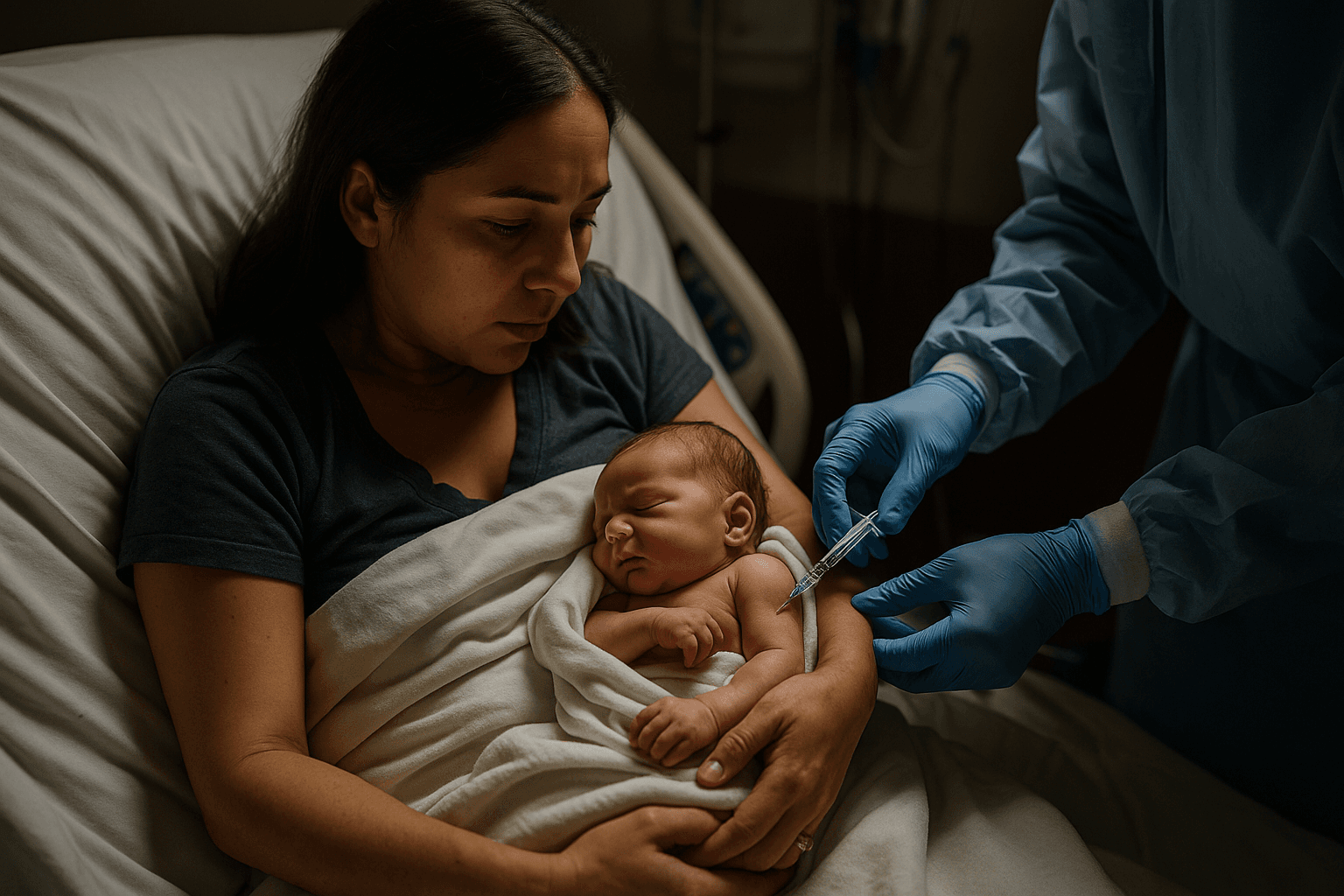
The committee offered the option to start the hepatitis B series at two months for infants whose mothers are known to be negative. That schedule aligns with the broader infant immunization calendar, but public health officials caution that delayed initiation could lower early protection and complicate recordkeeping. Pediatric practices, state immunization registries and payers will need to coordinate new guidance to prevent missed doses and ensure completion of the series.
Policy analysts note that the advisory panel’s vote reflects a shift in risk calculus, but that its final influence will depend on the acting CDC director’s decision and how quickly federal, state and hospital systems translate any change into practice. The debate highlights long standing tensions between individualized medical decision making and population level prevention, and underscores the importance of addressing inequities in prenatal care and health system access if gains against hepatitis B are to be preserved.
For many parents and clinicians the immediate concern is practical. The new recommendation will require clear communication at the bedside, reliable maternal testing, and supports to ensure that families who choose or need to delay vaccination are able to complete the series on schedule. The choice carries real consequences for newborns, and public health leaders say the coming weeks will be critical in shaping how those consequences are managed.