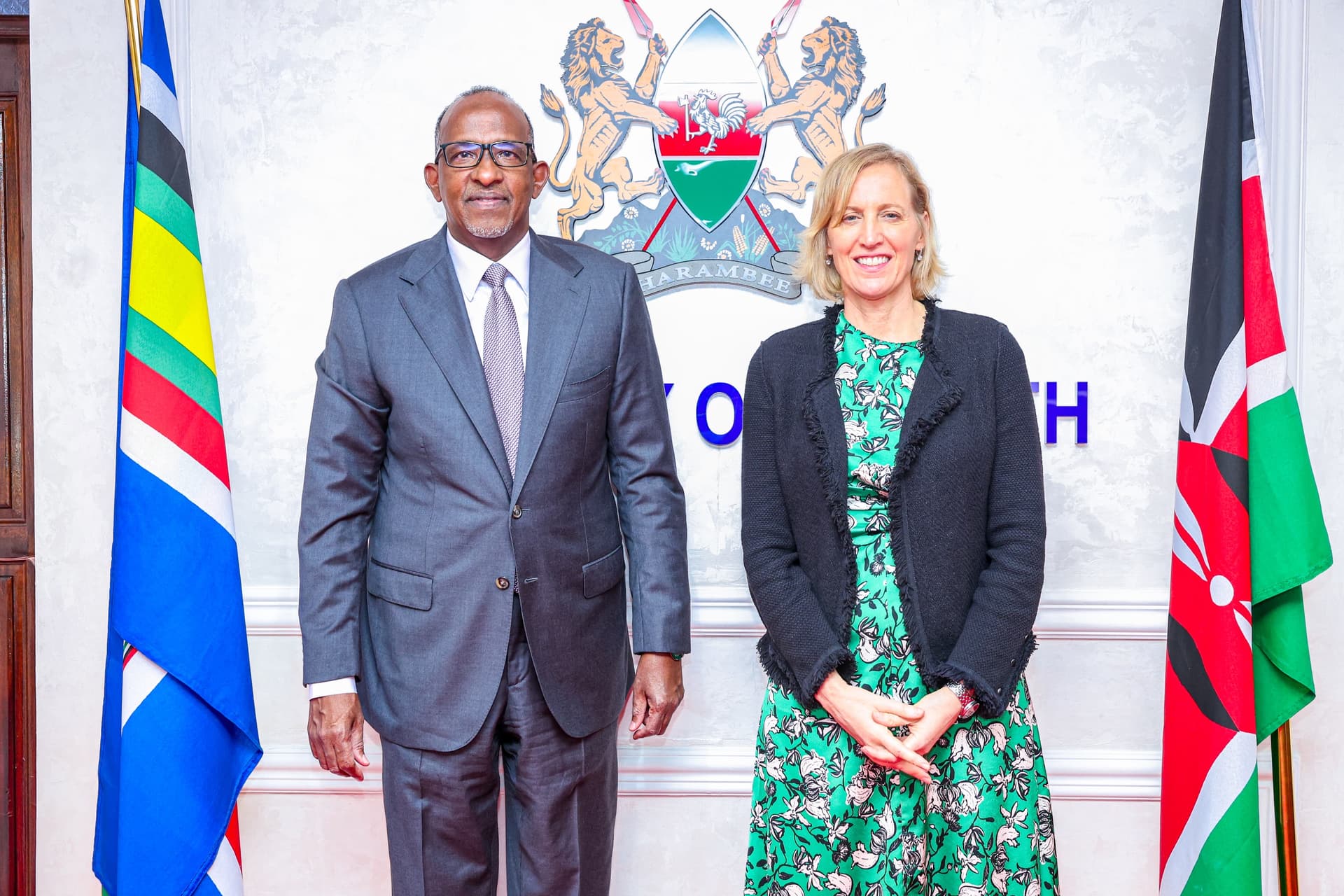
World Bank, Gavi Mobilize Two Billion to Boost Vaccination and Primary Care
The World Bank Group and vaccine alliance Gavi announced a joint plan to mobilize at least $2 billion over five years to finance immunization and strengthen primary health care, with a particular emphasis on building vaccine manufacturing capacity in Africa. The initiative is tied to the World Bank Group's goal of expanding access to quality, affordable health services for 1.5 billion people by 2030 and aims to close persistent vaccination gaps in lower income countries.
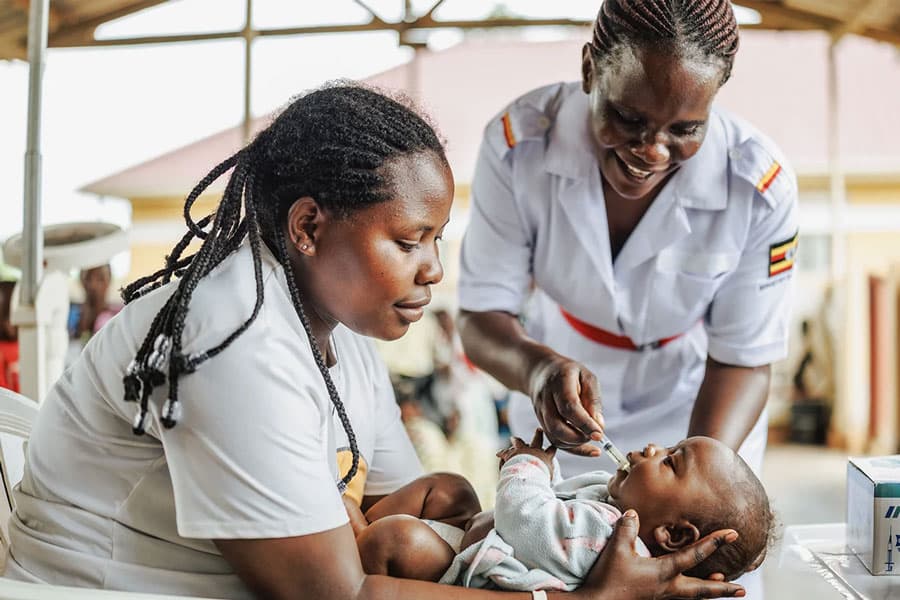
The World Bank Group and Gavi unveiled a joint financing and technical cooperation initiative today to marshal at least $2 billion over five years for immunization and primary health care strengthening in lower income countries. The program will place special emphasis on supporting vaccine manufacturing capacity in Africa while aligning with the World Bank Group's broader objective of expanding access to quality, affordable health services to 1.5 billion people by 2030.
The partnership frames investment in routine vaccinations and frontline health systems as central to global health security and long term development. By combining financial resources with technical assistance, the two institutions aim to close immunization gaps that widened in many regions after the COVID 19 pandemic and to reinforce the primary care platforms needed for sustained vaccine delivery. The funding package is intended to be deployed through country level programs, investments in supply chains and regulatory systems, workforce training, and support for local production capacity.
Strengthening vaccine manufacturing in Africa is a core feature of the plan. Over the past decade, policymakers and health experts have raised concerns about global dependency on a small number of manufacturers and the vulnerability of supply chains during health crises. Expanding regional production capacity could reduce delays in vaccine availability, lower transportation burdens, and create economic opportunities through the development of local pharmaceutical ecosystems. Building manufacturing capacity also requires parallel investments in quality oversight, regulatory harmonization, and workforce development to ensure products meet international standards.
Beyond manufacturing, the initiative recognizes that immunization coverage depends on robust primary health care systems. Clinics need cold chain equipment, reliable financing, trained health workers, and functioning referral networks to identify and reach children and adults in need of vaccines. The joint plan's emphasis on technical cooperation reflects an understanding that financial resources alone will not close gaps without improvements in service delivery, data systems, and community outreach.
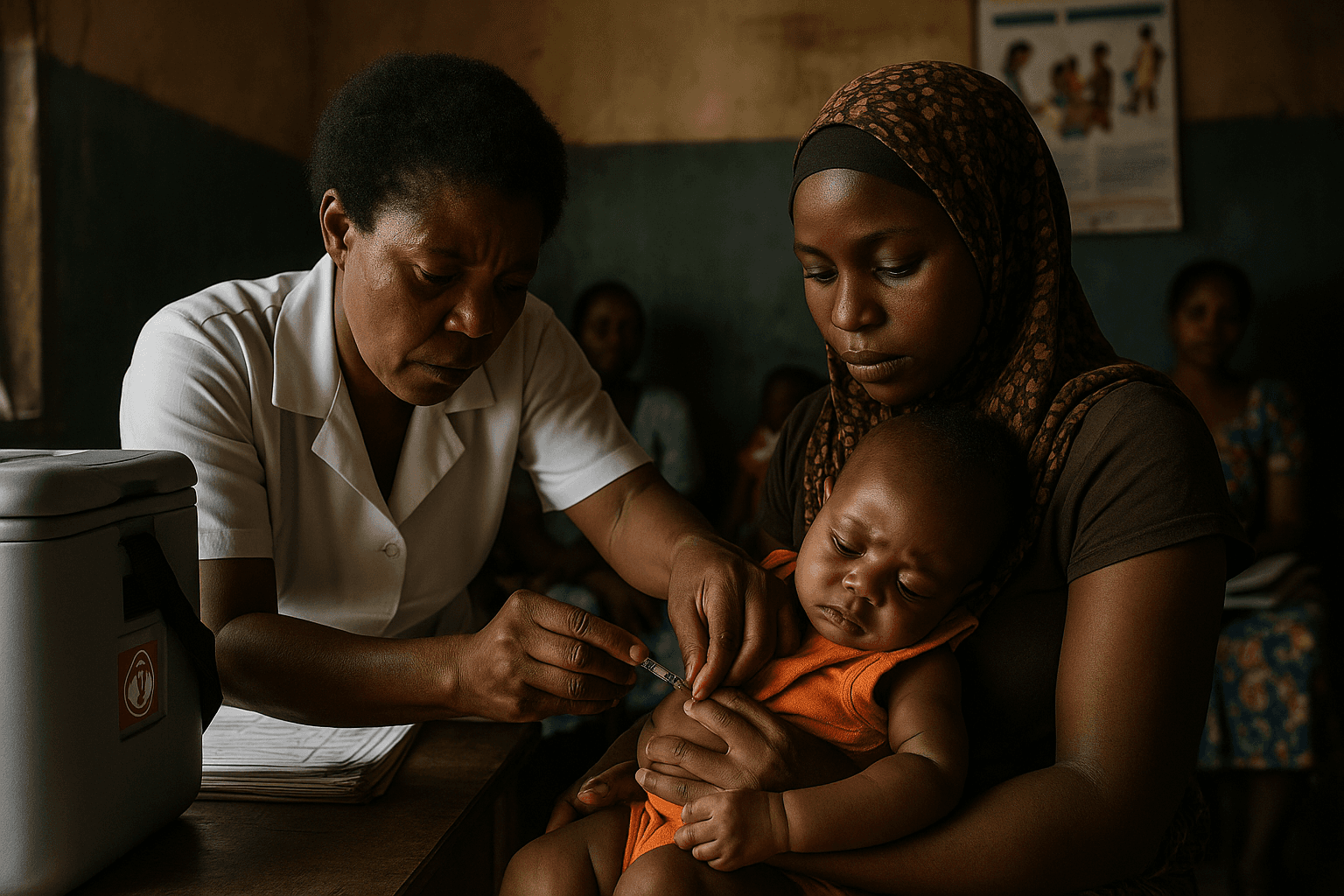
The timing of the announcement coincides with renewed international attention to preparedness for future pandemics and to the persistent burden of vaccine preventable diseases. Global health advocates say that improving routine immunization and primary care is one of the most cost effective ways to prevent outbreaks, reduce child mortality, and protect economic productivity. The World Bank Group's 2030 access target underscores a wider development agenda that links health to poverty reduction and resilience.
Challenges remain in translating a multi billion dollar pledge into durable gains. Recipient countries will need to absorb investments effectively, adapt policies to support local manufacturing, and sustain financing beyond the five year window. Donor coordination, procurement planning, and regulatory strengthening will be critical to avoid fragmented efforts. If implemented successfully, the joint World Bank and Gavi initiative could accelerate the recovery of immunization programs, diversify vaccine supply, and anchor long term improvements in primary health care across lower income regions.