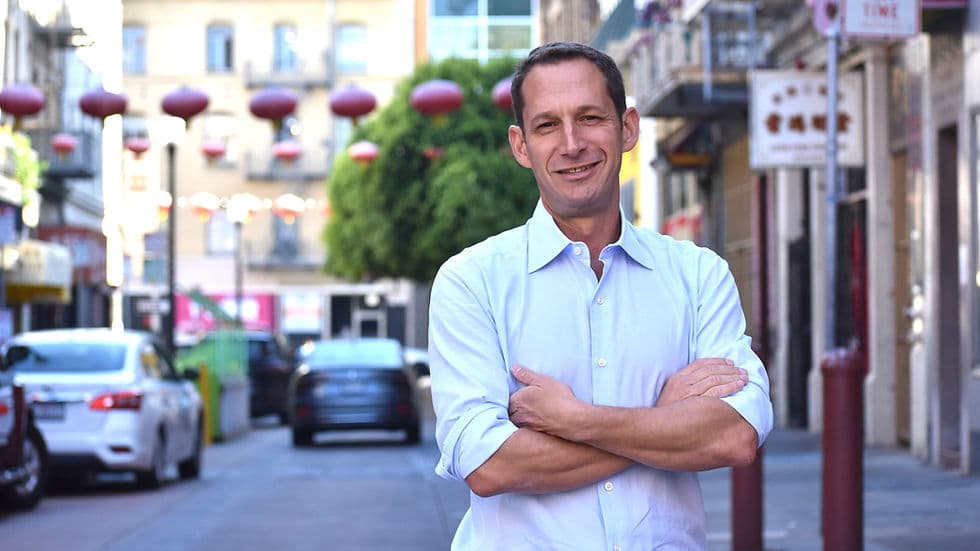
First High-Profile Debate Signals Competitive Race for Pelosi Seat
On January 7, 2026, San Francisco District 1 Supervisor Connie Chan and State Senator Scott Wiener met in a high-profile forum at UC Law San Francisco to debate for the congressional seat long held by Nancy Pelosi. The event, hosted by local political clubs and the Working Families Party, elevated voter scrutiny early in the race and highlighted the intracity stakes for policy and political organization.
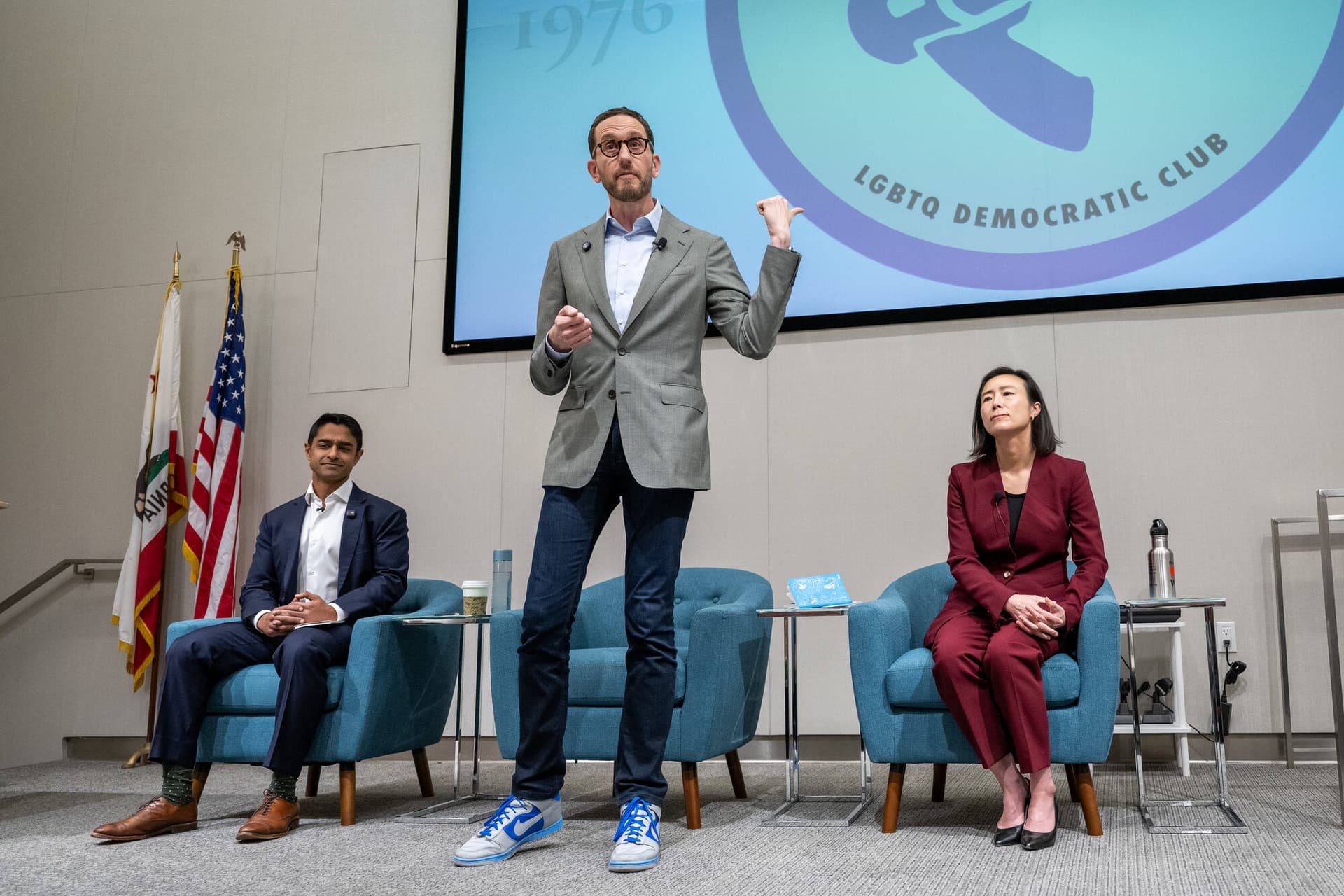
Candidates for the congressional seat long held by Nancy Pelosi convened at UC Law San Francisco on January 7, 2026, in the first prominent public forum of the campaign. The event put two well-known Bay Area officials, San Francisco District 1 Supervisor Connie Chan and State Senator Scott Wiener, before a local audience and signaled that the contest will be closely watched across the city.
The forum drew organizers from neighborhood political clubs and the Working Families Party, underscoring the role of grassroots groups and progressive organizations in shaping early momentum. The setting at a law school campus spoke to both the civic seriousness of the debate and the campaign priority of engaging an informed electorate. Organizers framed the evening around issues important to San Franciscans, giving attendees an early side-by-side view of the candidates and their campaign emphases.
Chan entered the forum with a background that includes work in the technology sector and experience as chief of staff to Representative Alexandria Ocasio-Cortez, while Wiener brought the legislative profile of a sitting state senator. Those differing professional trajectories give each candidate distinct institutional networks and policy experience to draw on as the race develops. The January forum functioned as a practical measure of how those networks translate into public-facing arguments and voter outreach.
For San Francisco residents, the contest carries concrete implications. The representative for this district will shape federal engagement on issues that dominate local politics, including housing affordability, homelessness, public safety, transit funding and the region’s tech economy. An early, visible debate forces candidates to begin clarifying policy priorities and to articulate how they would marshal federal resources in coordination with city and state agencies.
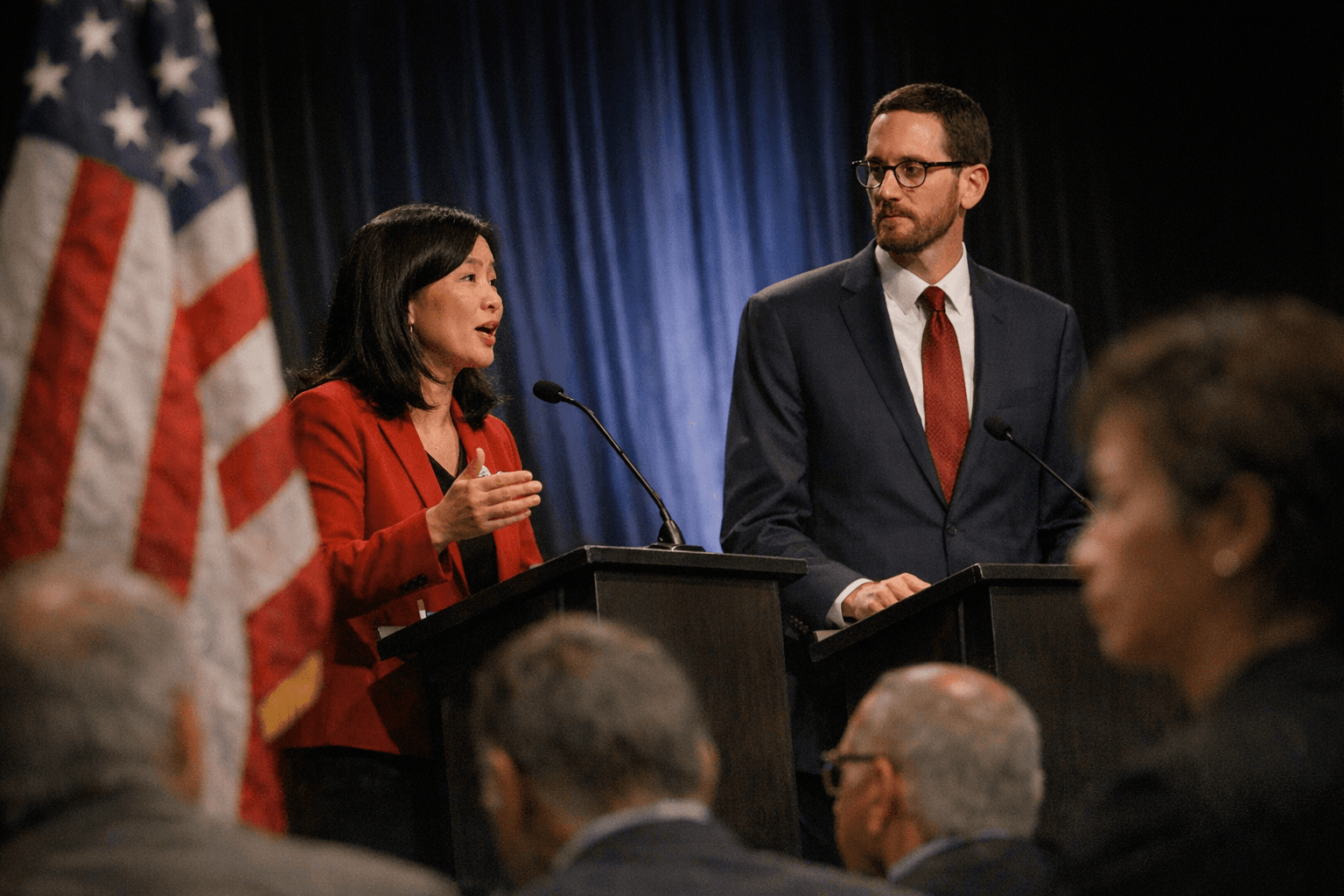
Politically, the forum marks the start of a campaign phase in which endorsements, fundraising and turnout will matter. Hosting by local clubs and the Working Families Party suggests active engagement by organized constituencies that can influence primary dynamics and neighborhood-level voter contact. The public format also provides a baseline for civic accountability; residents can compare responses, follow-up on commitments and demand specificity as the race proceeds.
As the campaign moves forward, expect more public events and deeper scrutiny of policy proposals and institutional records. For San Francisco voters, the early debate offered a rare, direct opportunity to assess who is prepared to represent the city’s interests in Congress and to mobilize support around the issues most affecting daily life in the county.
Sources:
Know something we missed? Have a correction or additional information?
Submit a Tip