Hegseth backs second strike on suspected drug boat, lawmakers shown video
Defense Secretary Pete Hegseth said at the Reagan National Defense Forum he would have approved a September strike sequence against a suspected drug smuggling vessel in the Caribbean, prompting fresh scrutiny after lawmakers were shown video that appears to show survivors in the water. The episode raises legal and oversight questions about military involvement in counterdrug operations, and could reshape congressional oversight of U.S. maritime interdiction tactics.
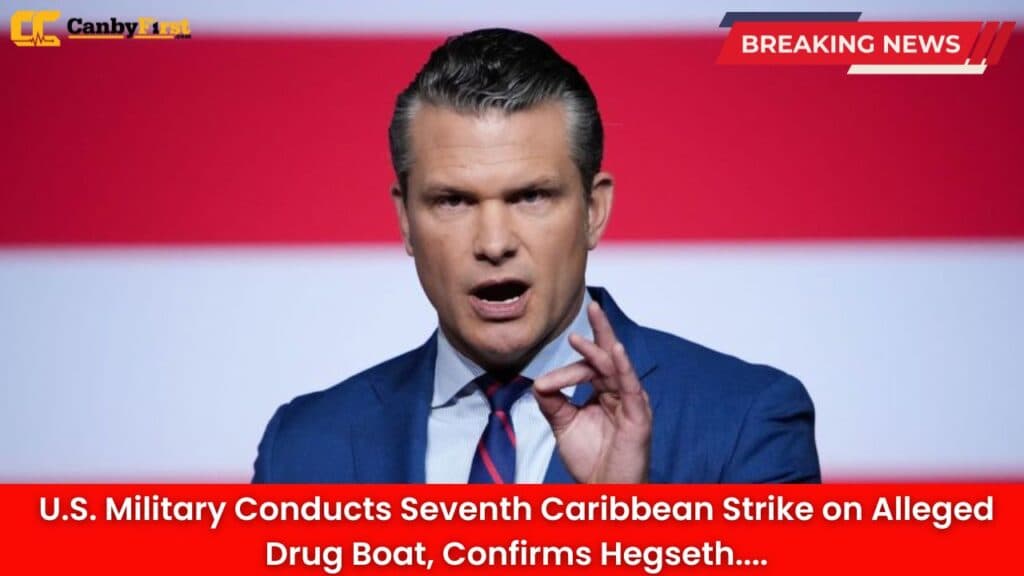
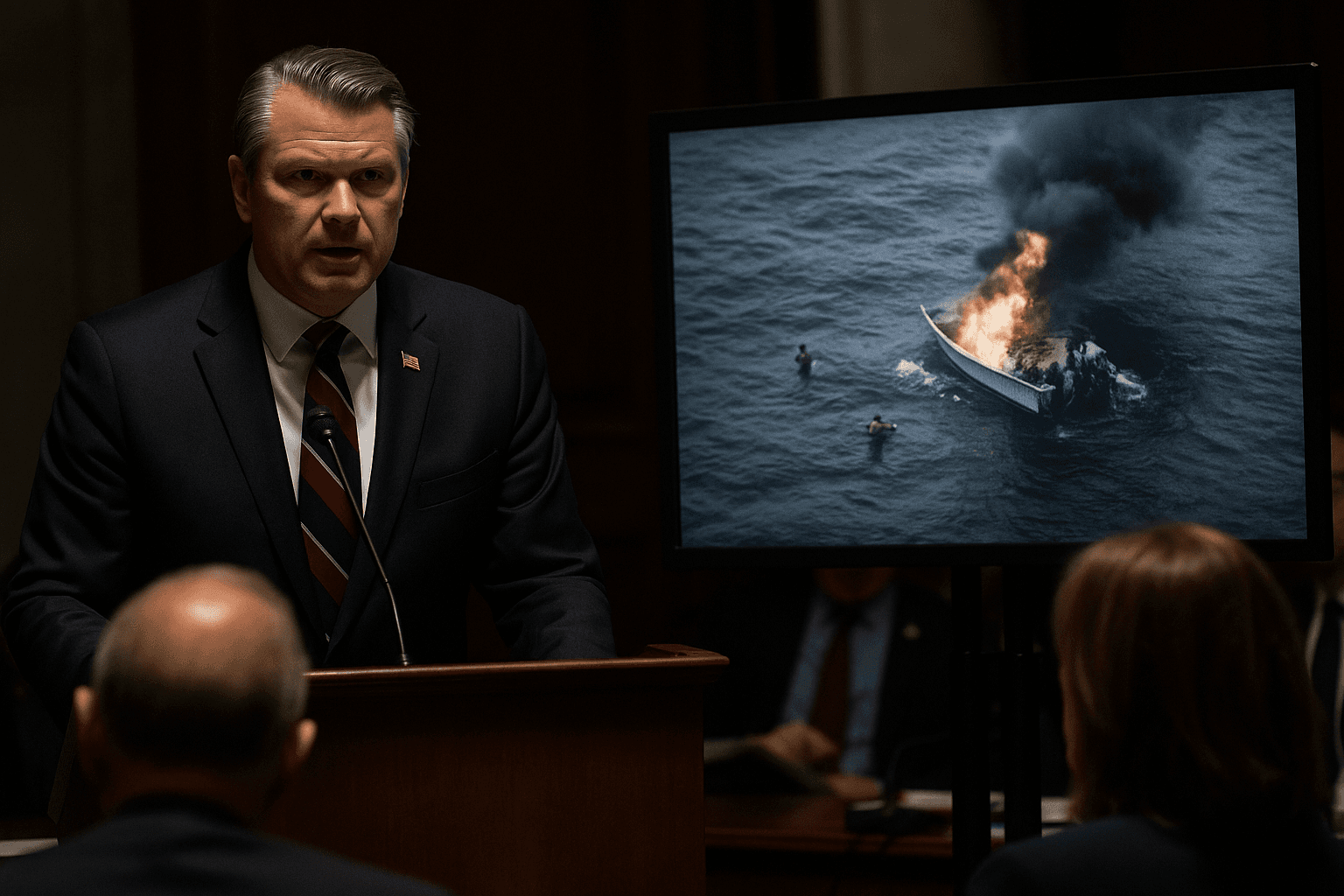
U.S. Defense Secretary Pete Hegseth said he supported a September sequence of strikes against a vessel suspected of drug smuggling in the Caribbean, a statement that emerged at the Reagan National Defense Forum and drew renewed attention after lawmakers were shown video footage behind closed doors. The classified briefing reportedly included imagery that appears to show people in the water following an initial strike, a detail that has alarmed members of Congress and human rights observers who say the sequence raises questions about compliance with the law of armed conflict.
Reuters reported that Hegseth told the forum he would have made the same call in September, a public affirmation that has intensified debate in Washington over how and when U.S. military force is used in counterdrug operations. U.S. officials have disputed that Hegseth ordered a follow up strike, and investigators are continuing to reconcile accounts of who authorized each action during the operation. The broader episode underscores enduring tensions between forceful interdiction tactics and legal constraints intended to protect noncombatants at sea.
The strikes are part of an expanded U.S. campaign against maritime trafficking that in recent years has relied increasingly on naval and air assets to intercept fast boats and clandestine shipping routes across the Caribbean and eastern Pacific. Officials argue the operations are needed to stem flows of cocaine and other narcotics that feed domestic illicit markets, strain public health resources, and fund illicit networks in producer states. Critics contend that employing kinetic military measures in law enforcement contexts risks civilian harm and exposes the United States to legal and diplomatic fallout.
Lawmakers who viewed the video sought answers about the rules of engagement used in the September action, including whether the second strike targeted an active threat or struck persons already incapacitated and in the water. Those distinctions carry significant legal weight because international humanitarian law and U.S. policy require combatants to take precautions to avoid unnecessary harm to persons who are hors de combat, meaning they are no longer participating in hostilities. The footage is likely to shape forthcoming congressional oversight hearings and could prompt formal inquiries inside the Pentagon and by independent watchdogs.
Beyond legal questions, the episode is likely to influence policy debates over the allocation of resources between military interdiction and civilian law enforcement tools, such as Coast Guard deployments and international cooperation with Caribbean partners. Changes in posture could affect budget deliberations in Congress and the strategic calculus for operations that traverse the blurred line between defense and domestic security.
For regional partners, the episode complicates diplomatic relationships at a sensitive moment when Washington emphasizes partnership on security and development. If investigations determine procedural or legal lapses, the administration may face pressure to revise guidance governing the use of force in counterdrug missions and to increase transparency around maritime operations that carry significant legal and human consequences.