Unseen Rosa Parks Photos Return to Montgomery, Broaden Civil Rights Narrative
Seven decades after her refusal to give up a bus seat made her an emblem of civil rights, newly released photographs of Rosa Parks from the Selma to Montgomery march deepen public understanding of her lifelong activism. The images were returned to the Rosa Parks Museum this week, offering fresh material for civic education and renewing debate about how institutions steward and share the documentary record.

Unseen photographs of Rosa Parks taken during the Selma to Montgomery march in 1965 were returned to the Rosa Parks Museum in Montgomery this week after they were discovered in the archives at Stanford University. The images, captured by the late civil rights photographer Matt Herron, depict Parks among a mass of marchers on the five day, 54 mile trek that helped produce the political momentum for the Voting Rights Act of 1965.
Several of the photographs had never been printed or publicly exhibited. Museum officials said the images illustrate Parks continuing her activism a decade after the Montgomery Bus Boycott, and they spotlight ordinary participants and lesser known figures whose contributions have been underrepresented in mainstream retellings. The release coincided with commemorative events marking the decades since both the boycott and the Selma march, prompting renewed reflection on Parks as a persistent organizer and symbol of civic mobilization rather than a single moment captured in time.
The return of the Herron negatives highlights institutional choices about provenance and public access. Academic repositories and university archives hold vast troves of documentary material that can remain inaccessible to the communities most directly connected to those records. By transferring the photographs to the Rosa Parks Museum, Stanford enabled local curators to place the images in regional context, expand educational programming, and display faces and scenes that complicate familiar narratives about leadership and participation in the civil rights movement.
Historians say the Selma to Montgomery march altered national voting patterns by focusing public attention and congressional action on systemic barriers to Black registration and turnout. The Voting Rights Act that followed produced measurable increases in voter registration and political participation among African Americans in the 1960s and 1970s. The newly public photographs remind viewers that those outcomes were driven by grassroots organizers and mass mobilization across small towns and rural counties as much as by national figures and institutional advocacy.
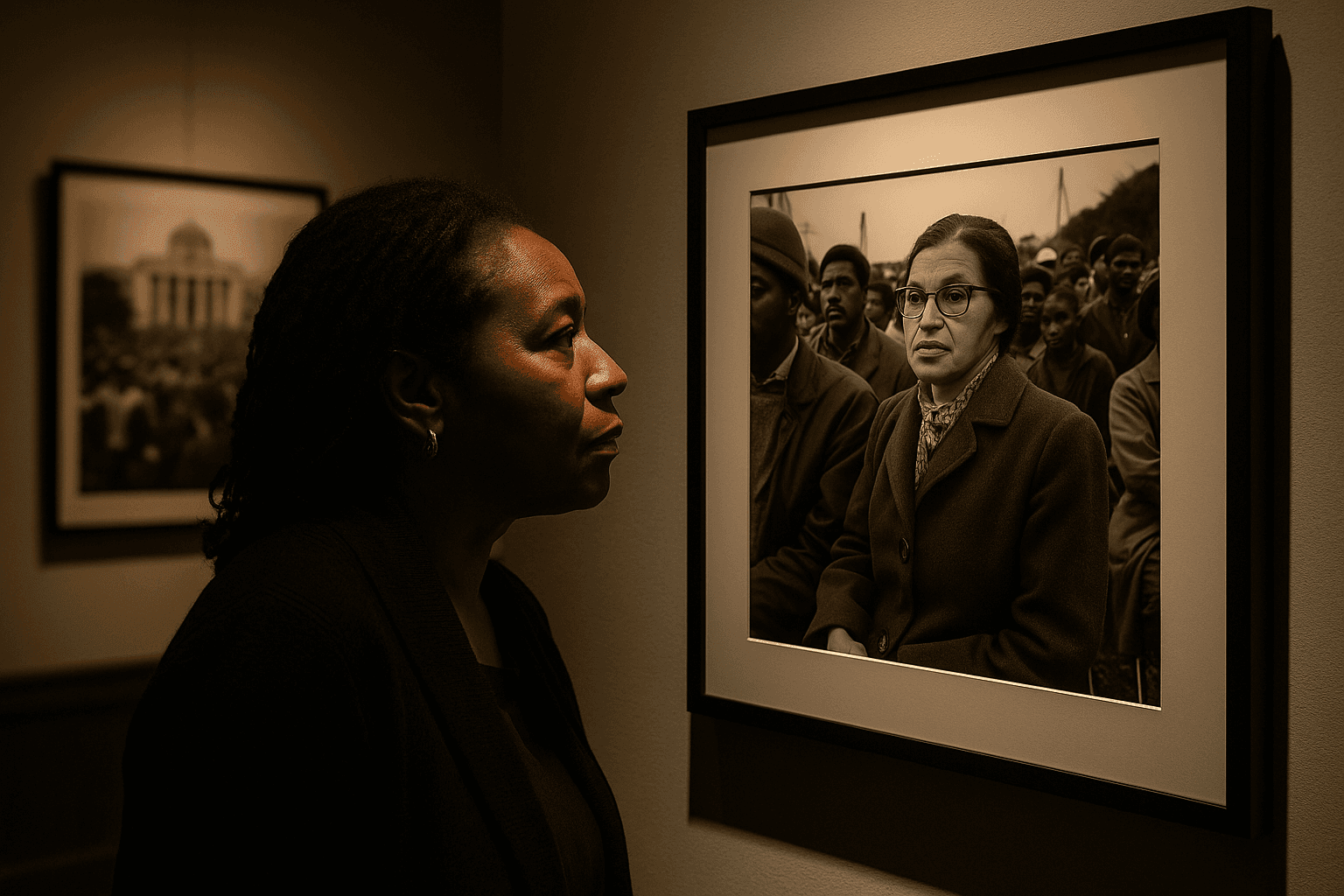
The images also arrive at a time when voting access remains a contentious policy issue. The photographs serve as both historical evidence and civic pedagogical tool, showing how sustained, organized participation can translate into legislative change. For local museums and educators, the material presents an opportunity to connect past tactics and strategies with contemporary efforts to increase civic engagement and address disparities in representation.
Institutional stewardship will be central to how the photographs shape public understanding. The Rosa Parks Museum plans to integrate the negatives into exhibits and digital collections, making them available for scholars and schools. That approach responds to broader calls for museums and archives to increase community access, provide fuller provenance information, and collaborate on interpretive frameworks that foreground lesser known participants.
As the nation marks anniversaries of key civil rights campaigns, the Herron photographs add texture to a public memory that has often simplified Parks into a single act of refusal. The images present her instead as one participant among many, reinforcing the democratic lesson that systemic change depends on sustained collective action and on institutions that make historical records accessible to the communities they document.