Honduras Vote Count Stalls, President Denounces Electoral Coup
Honduras remained in electoral limbo on December 9, 2025, with roughly 88 percent of tallies reported and no confirmed winner more than a week after ballots were cast. The contested count, marred by technical failures and disputed tally sheets, has deepened political polarization and raised urgent questions about the credibility of institutions and the path for a peaceful transfer of power.
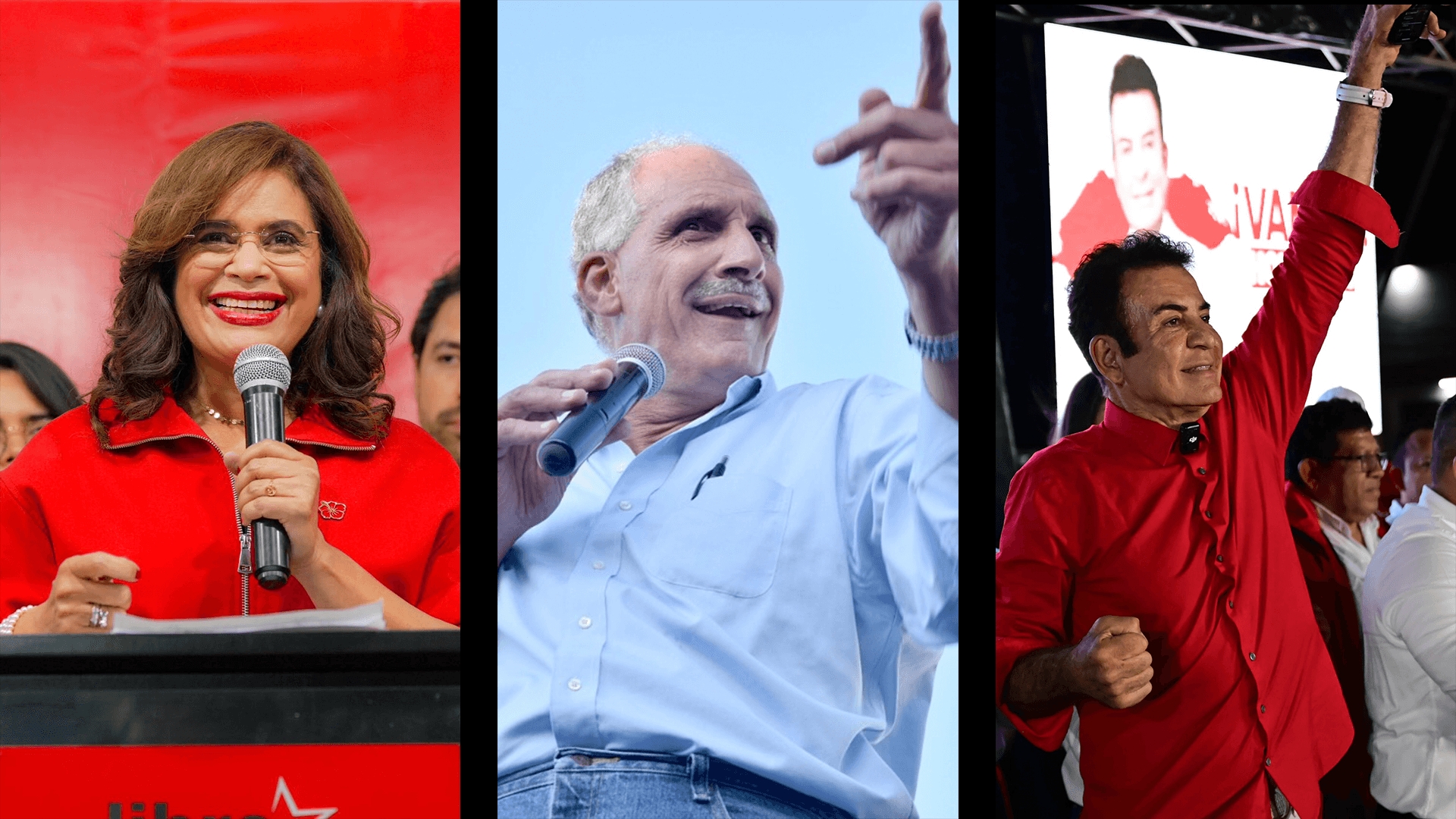
Honduras remained embroiled in election uncertainty on December 9, 2025, more than a week after presidential and congressional votes on November 30. With roughly 88 percent of tallies reported no definitive winner had emerged, and the process was beset by technical failures, delayed uploads of results, and disputes over problematic tally sheets that election officials said would require additional scrutiny.
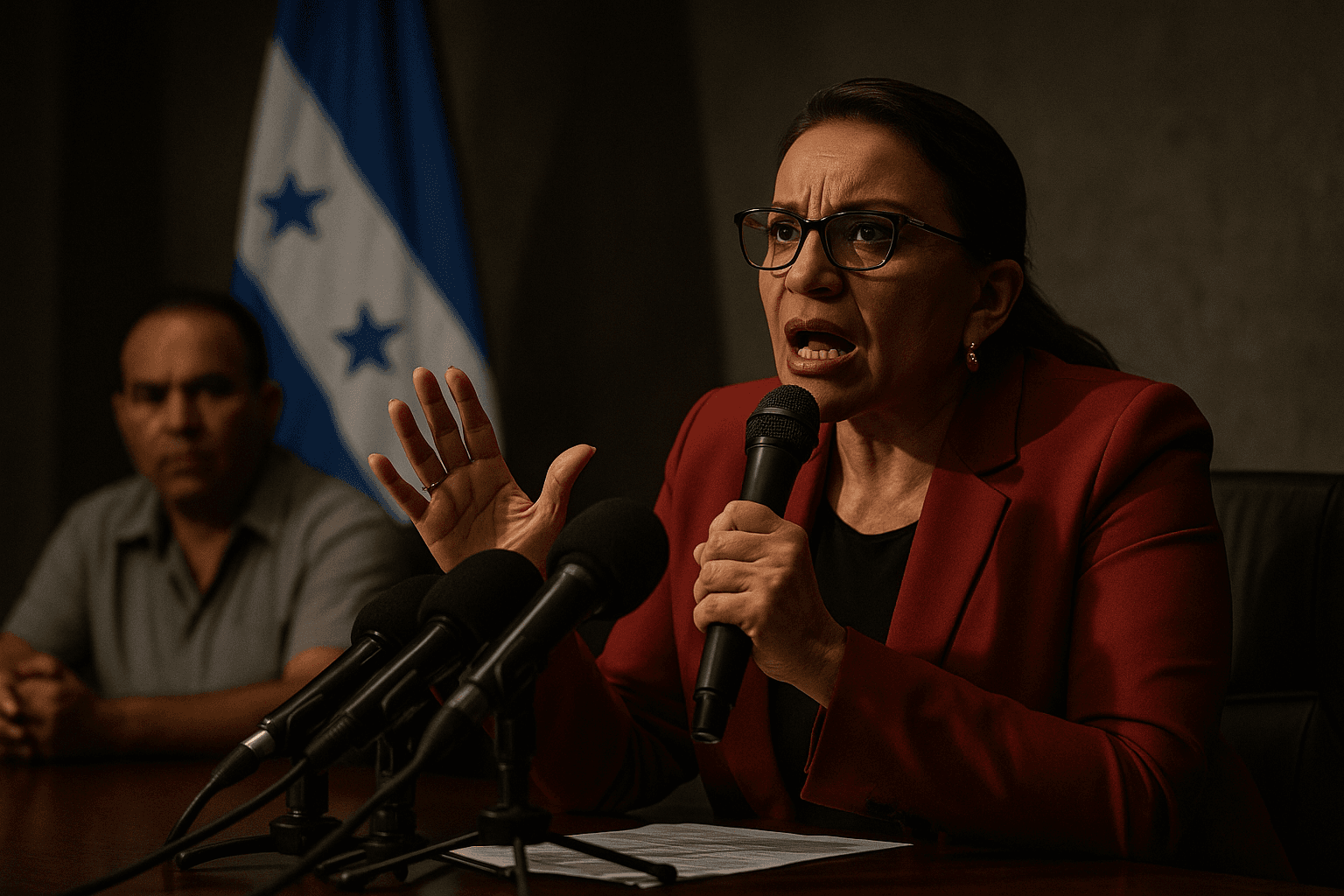
President Xiomara Castro publicly denounced what she called an "electoral coup," injecting new volatility into a counting process already strained by errors and logistical interruptions. Other political actors called for clarity and transparency, and several opposition figures sought assurances that unresolved tally sheets would be handled under strict oversight to avoid manipulation or misinterpretation of results.
Electoral officials acknowledged the scope of the challenge and warned that completing the count could take additional days. They said problematic tally sheets would be processed with oversight, and they flagged the possibility of a formal recount mechanism being triggered if margins tightened between leading candidates. The authority did not provide a firm timetable for completion, citing the need to reconcile discrepancies and ensure chain of custody for disputed documentation.
The delayed resolution has immediate policy and institutional implications. A protracted counting period strains public confidence in democratic institutions, complicates governance at a time when legislative composition remains unsettled, and creates an opening for legal challenges that could further delay certification. The absence of a clear winner also leaves key policy agendas in limbo, from budget decisions to security and social programs, and risks paralyzing a legislature that must address pressing national concerns.
Observers in Honduras and abroad noted that the polarizing role of external actors, including U.S. political involvement and endorsements, has been cited by some Honduran leaders as complicating an already fraught atmosphere. While foreign statements can lend visibility to alleged irregularities, they may also harden partisan positions and make negotiated solutions more difficult. Domestic civic groups expressed concern that prolonged uncertainty will depress voter trust and engagement ahead of future contests.
Analysts say the integrity of the electoral authority will be tested by how it manages the remaining tally sheets and any subsequent recount. Transparent publication of methodologies, timely access for party representatives and observers, and clear legal pathways for challenges are essential to restoring confidence. Failure to adhere to these norms risks deepening polarization and triggering street protests or litigation that could delay certification for weeks.
As Hondurans awaited the final outcome attention turned to institutional safeguards. Lawmakers, party leaders and civil society actors pressed for a calibrated approach that balances speed with accuracy. With the count unresolved, the durability of democratic norms will depend on whether institutions can manage the technical and legal complexities with impartiality and competence, and whether political leaders will refrain from actions that further undermine public trust.
Sources:
Know something we missed? Have a correction or additional information?
Submit a Tip%3Amax_bytes(150000)%3Astrip_icc()%2FGettyImages-2207587804-8427404b130c43cdbf76608c381b17e6.jpg&w=1920&q=75)