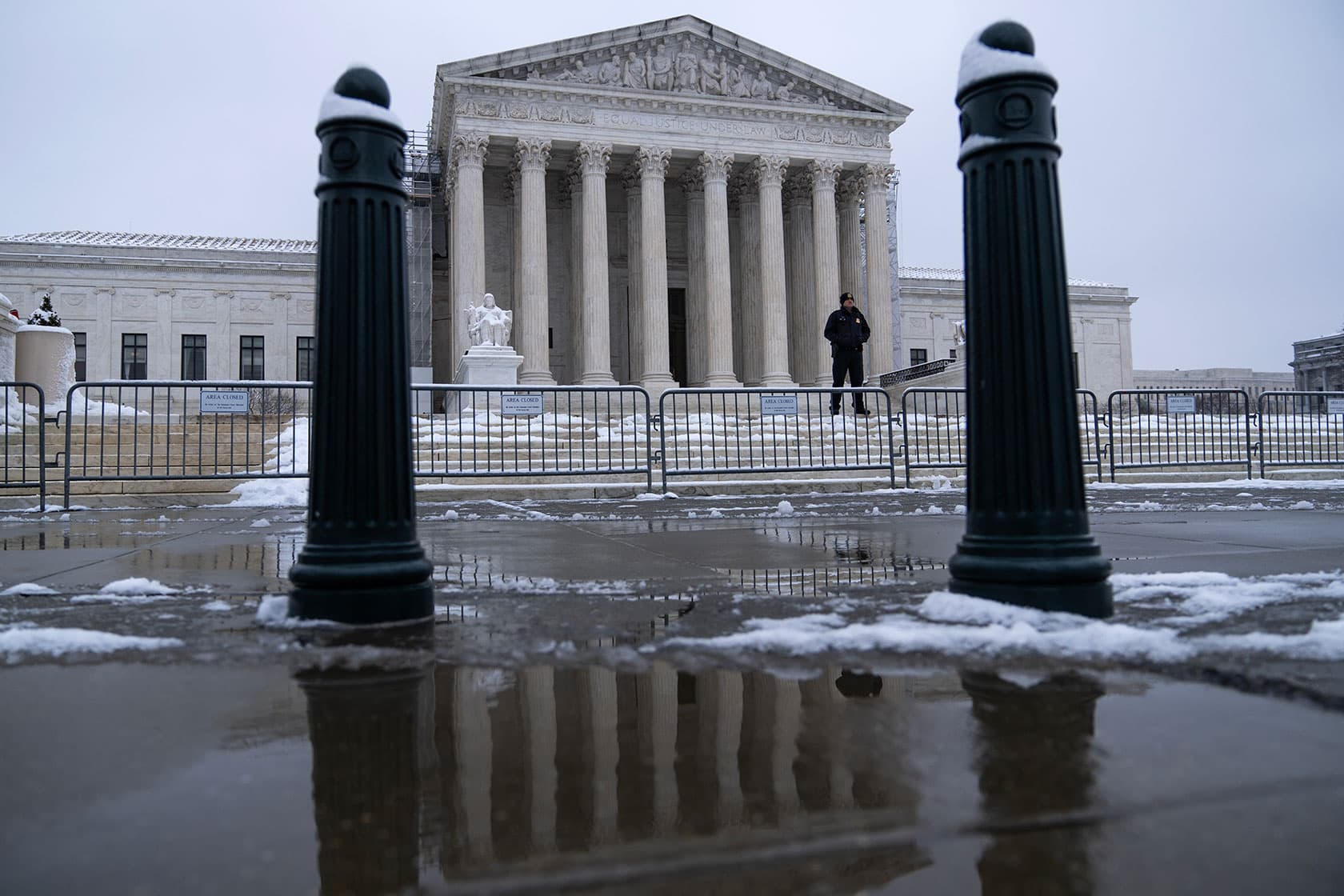
Japan to Appoint Minister, Elevate Cabinet Intelligence Office into Bureau
The Japanese government announced on December ninth plans to create a ministerial post to oversee an upgraded national intelligence bureau, consolidating information from ministries, police and other agencies. The change is meant to streamline information sharing and counter espionage and foreign interference, but it raises urgent questions about oversight, legal safeguards and the potential consequences for civic life.
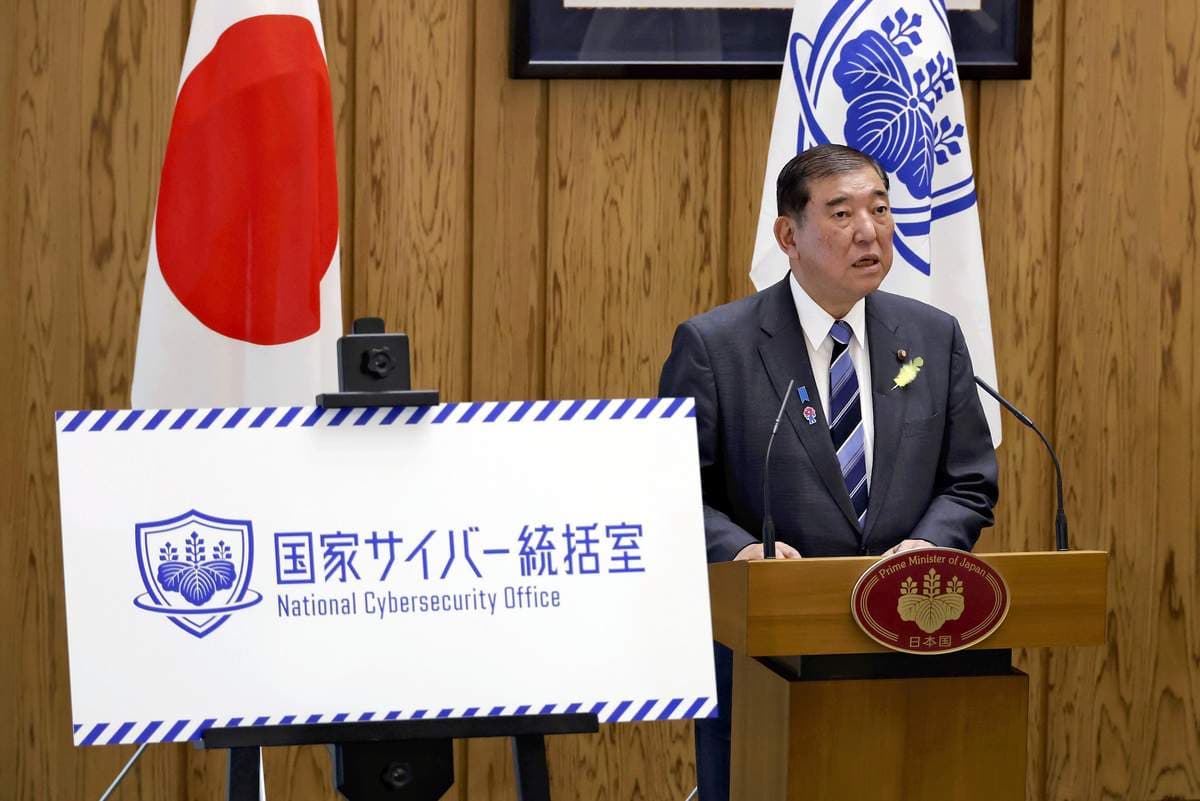
On December ninth the Japanese government unveiled plans to appoint a dedicated minister for intelligence and to elevate the Cabinet Intelligence and Research Office into a national intelligence bureau. Officials framed the reorganisation as a step to centralise information from ministries, police and other agencies, streamline interagency information sharing and strengthen Tokyo's ability to counter espionage and foreign interference.
The proposed ministerial post would place political responsibility for the new bureau at Cabinet level, signalling a move to integrate intelligence functions more directly into policymaking. Proponents say the structure could reduce duplication, accelerate analysis and improve decision making in a region experiencing a broader security recalibration. Centralised access to data from multiple domestic agencies could enable faster identification of threats to national security and to critical infrastructure.
The proposal comes amid ongoing debates in Tokyo over new espionage and foreign agent laws. Those debates have highlighted competing public priorities, including the need to protect sensitive information and the need to preserve civil liberties and transparent governance. Critics warn that concentrating authority without strong, independent oversight could create risks of politicised intelligence use or unchecked surveillance of legitimate civic activity.
Institutional experts note that creating a ministerial oversight role will change how intelligence is governed in Japan. Political accountability may increase because an identified Cabinet minister will be answerable to the Diet and to voters. At the same time the move raises structural questions about legal authorities, internal safeguards and external review mechanisms. Will the bureau be subject to parliamentary committees with access to classified material? What statutory protections will govern data sharing among ministries and law enforcement? How will courts and civil rights bodies be able to review actions taken in the name of national security?
Those questions matter for democratic accountability and for public trust. Intelligence centralisation can improve electoral security by detecting and deterring foreign interference, but it can also create avenues for domestic actors to misuse sensitive tools. The timing of the change, against a backdrop of heated legislative debates, has already mobilised civil society groups and legal scholars to press for clearer statutory limits, independent oversight and redress mechanisms for individuals affected by intelligence operations.
The policy trade offs are acute. Effective counter espionage requires coordination across agencies, technical capacity and timely intelligence sharing. Yet those capabilities must be balanced with transparent rules on data collection retention and use, with mechanisms to prevent mission creep, and with protections for journalists researchers and civic organisations that could be caught in broad enforcement sweeps.
Implementation will determine whether the initiative strengthens Japan's security without eroding democratic checks. Lawmakers will need to define the bureau's remit, draft oversight provisions and set transparent reporting requirements. Public debate in the Diet and in civic forums is likely to shape the final design, as Tokyo seeks to reconcile an expanded intelligence posture with the principles of accountability and rule of law.
Sources:
Know something we missed? Have a correction or additional information?
Submit a Tip%3Amax_bytes(150000)%3Astrip_icc()%2FGettyImages-2207587804-8427404b130c43cdbf76608c381b17e6.jpg&w=1920&q=75)