Supreme Court Signals Broad Expansion of Presidential Removal Authority
After two days of oral argument the Supreme Court’s conservative majority appeared poised to side with the Trump administration in a case challenging presidential power to remove officials from independent agencies, a ruling that could unsettle a key constitutional check on executive authority. The decision matters to citizens and markets because it could remake U.S. regulatory independence, alter enforcement of domestic and international rules, and reshape how foreign governments and companies engage with American agencies.
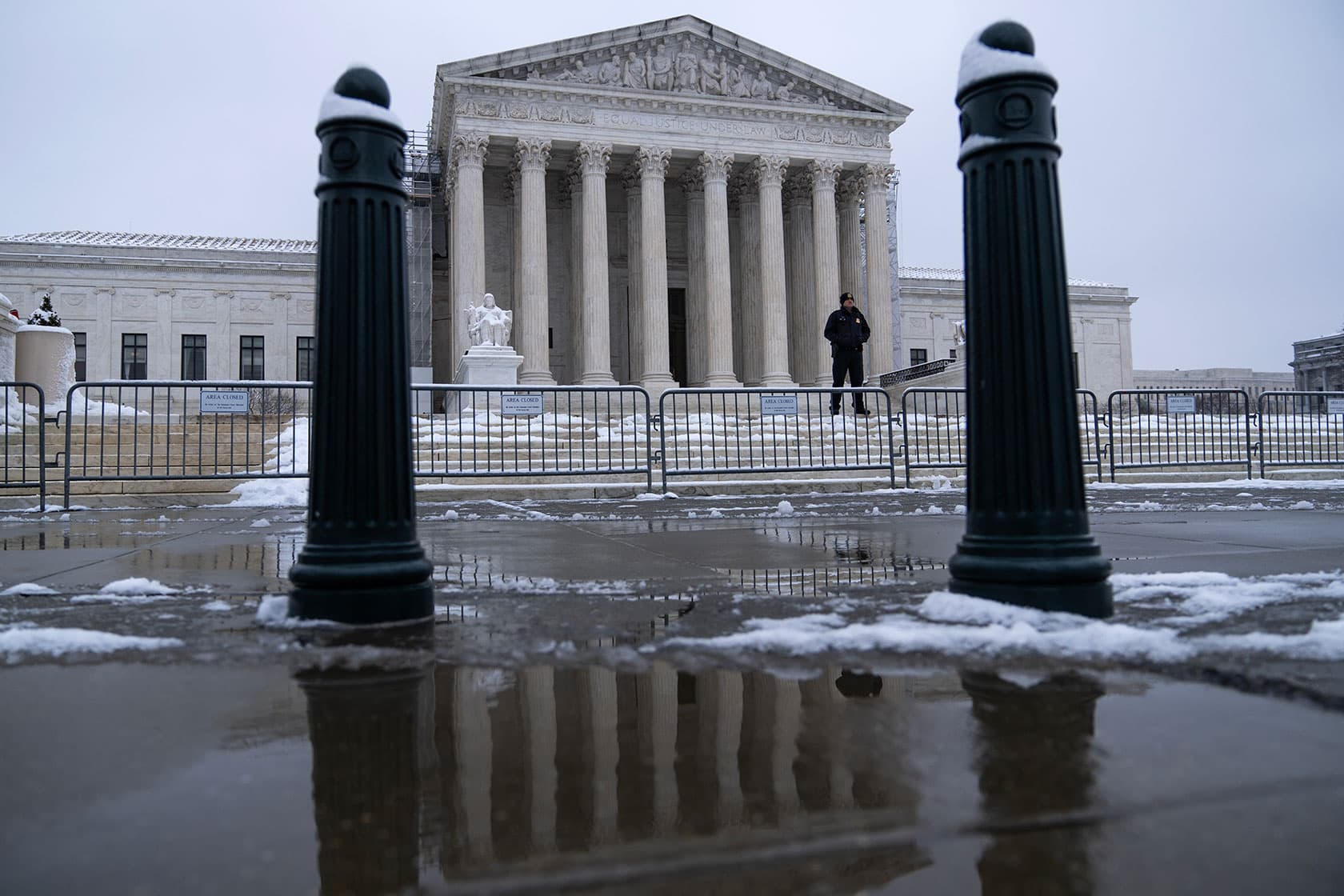
The Supreme Court’s conservative majority signaled during oral arguments on December 8 and 9 that it is likely to side with the Trump administration in a consequential case testing the president’s ability to remove officials from independent federal agencies. The litigation stems from President Trump’s firing of Federal Trade Commission commissioner Rebecca Slaughter and the administration’s request that the court overturn the 1935 precedent in Humphrey’s Executor, a decision that for decades has limited presidential removal power for multi member independent agencies.
Justices aligned with the conservative wing questioned the continued validity of Humphrey’s Executor and probed whether presidents must have broader authority to dismiss commissioners who exercise regulatory power. Liberal justices cautioned that narrowing or overturning the precedent would open the door for presidents to replace career experts and agency officials with political loyalists, potentially undermining nonpartisan regulation across numerous agencies that touch on consumer protection, competition, financial oversight, and public health.
Legal scholars say a ruling curtailing Humphrey’s Executor would recalibrate the separation of powers established under the administrative state by vesting greater control in the executive branch. That would not only transform internal governance at the Federal Trade Commission but also affect how other independent agencies operate. Agencies that rely on stable, bipartisan or expert leadership to enforce technical rules could see those roles politicized, making policy endpoints more volatile across administrations.
The implications extend beyond domestic governance. U.S. agencies play an outsized role in global regulatory networks, from antitrust cooperation with European and Asian counterparts to enforcement of export controls and data privacy standards. A shift toward heightened presidential control could complicate multilateral cooperation, inject politics into cross border enforcement, and create uncertainty for multinational businesses that depend on predictable rulemaking. Foreign governments and investors monitor U.S. institutional stability closely, and changes that erode agency independence could affect perceptions of American regulatory reliability.
Congressional repercussions are also likely. Lawmakers who favor stronger agency independence may seek statutory protections to preserve checks on the executive, while others who support presidential oversight could push for clearer removal authority. The choice facing the court therefore has downstream consequences for legislative design and for how future presidents exercise power.
For now the court’s indications left regulatory stakeholders and international partners assessing contingency plans. Antitrust enforcers, financial regulators, corporate compliance teams, and foreign counterparts are all likely to watch for an opinion that could arrive in the months ahead, and to prepare for a new era in which presidential influence over independent agencies is substantially greater. Whatever the outcome, the case is poised to reshape the architecture of American governance and to reverberate through international regulatory cooperation and market expectations.
Sources:
Know something we missed? Have a correction or additional information?
Submit a Tip%3Amax_bytes(150000)%3Astrip_icc()%2FGettyImages-2207587804-8427404b130c43cdbf76608c381b17e6.jpg&w=1920&q=75)