U.S. Trade Chief Says Washington Can Replicate Tariff Revenues
U.S. Trade Representative Jamieson Greer told the Atlantic Council that if the Supreme Court rejects the administration’s use of the International Emergency Economic Powers Act to levy tariffs, the government can still recover roughly $200 billion in revenues through other measures. His remarks signaled a willingness in Washington to pursue legislative and administrative routes, a development that will matter to markets, allies and trading partners.
%3Amax_bytes(150000)%3Astrip_icc()%2FGettyImages-2207587804-8427404b130c43cdbf76608c381b17e6.jpg&w=1920&q=75)
Jamieson Greer, the U.S. Trade Representative, told an Atlantic Council audience on December 10, 2025 that the administration could replace roughly $200 billion in tariff revenues if the Supreme Court curtails the use of the International Emergency Economic Powers Act to impose tariffs. Greer said Congress could step in to craft new trade rules and that the administration could employ other legal authorities, underscoring a readiness in Washington to adapt if the high court limits executive tariff powers.
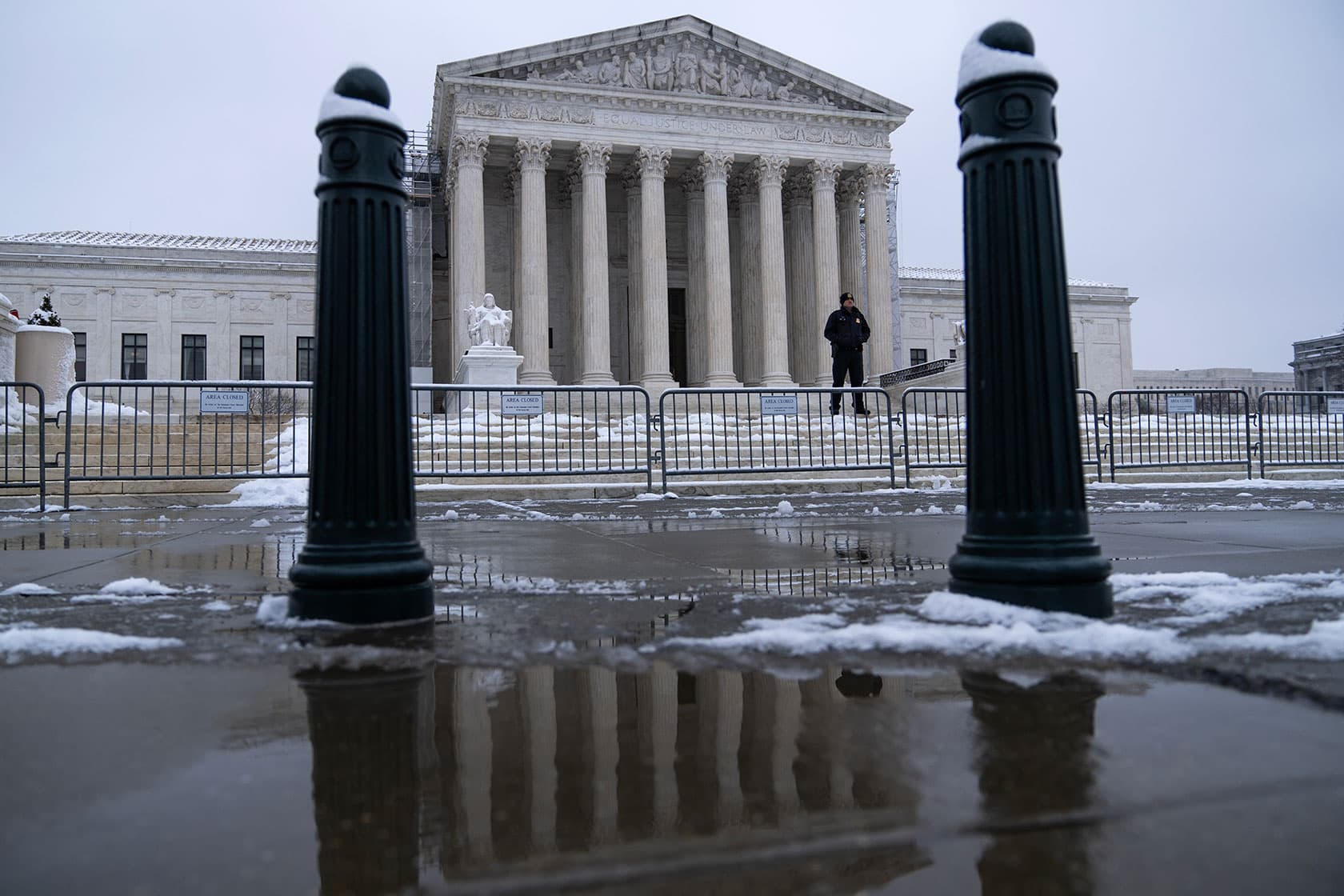
The remarks came as the Supreme Court considers challenges to the executive branch’s reliance on emergency economic powers to impose broad import restrictions. For months the use of statutory emergency authority has drawn criticism from legal scholars and trading partners who argue that large scale tariff actions belong to Congress. A decision that narrows executive discretion would have immediate implications for revenue flows, trade policy coherence and legal precedent about the separation of powers in economic statecraft.
Greer’s assertion that alternative pathways exist is both practical and political. Recovering $200 billion in revenues would require either new legislation from Congress or the use of existing statutory tools that have not been deployed at the same scale. Either approach would shift some of the burden onto lawmakers, where trade policy is often entangled with domestic budget priorities and partisan politics. That dynamic could prolong uncertainty for businesses and foreign governments that have adjusted supply chains and prices in response to current U.S. measures.
Internationally the matter will be closely watched. Allies and trading partners who have criticized unilateral U.S. tariff actions will look for more predictable, law based approaches. A legislative solution would offer clearer lines of accountability and could make U.S. measures more defensible under international trade rules. Conversely, an administrative route relying on other executive authorities could invite new legal challenges and further diplomatic friction if partners view the moves as circumventing negotiated norms.

Legal experts say the case could set a significant precedent about how far the executive can go in invoking emergency powers to reshape trade policy. The question affects not only revenue collection but also the credibility of U.S. commitments at the World Trade Organization and in bilateral dialogues. For countries that have been targets of U.S. tariffs or rearranged supply chains to cope with them, a predictable rule making process would be preferable to shifting legal strategies.
Greer’s comments also reflect a broader Washington calculation about resilience. The administration appears determined to avoid a sudden fiscal shortfall or a policy vacuum if the Court limits IEEPA usage. How Congress responds, and whether lawmakers provide a durable statutory framework, will determine whether the United States moves toward a more stable trade architecture or remains locked in a cycle of litigation and unilateral action. In either case the outcome will resonate across markets and capitals, shaping global trade governance in the years ahead.
Sources:
Know something we missed? Have a correction or additional information?
Submit a Tip