House Homeland Security demands briefings from Apple and Google
The House Homeland Security Committee on December 5 asks Apple and Google for immediate briefings on mobile apps that allow users to track federal immigration officers, citing safety concerns and potential obstruction of lawful enforcement. The request underscores a growing clash between platform moderation, constitutional protections, and the oversight role of Congress in policing digital tools that affect public safety and civic engagement.
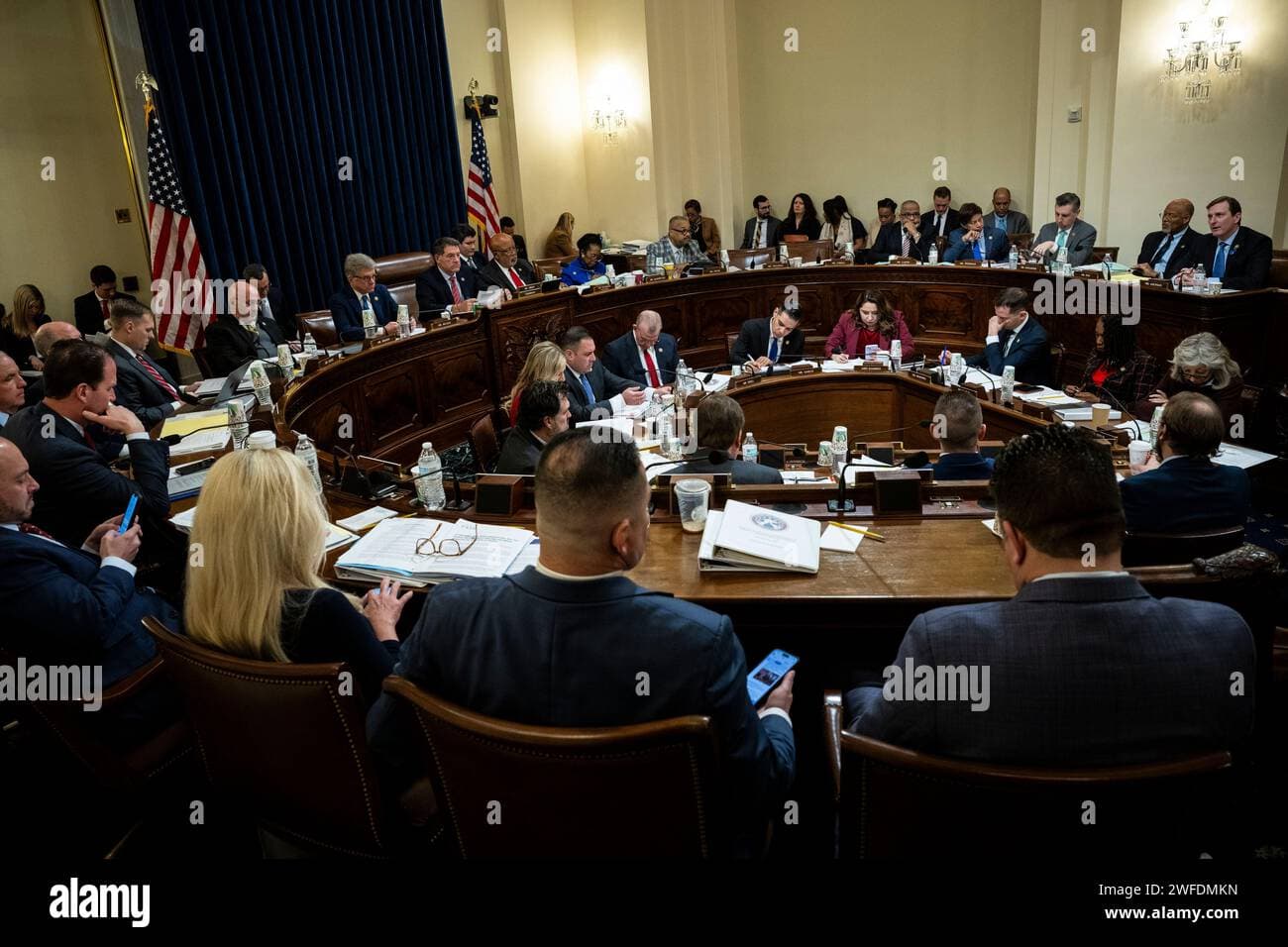
The House Homeland Security Committee on Thursday sent letters to Google chief executive Sundar Pichai and Apple chief executive Tim Cook seeking details and a briefing by December 12 on steps the companies are taking to remove mobile apps that allow users to track or report the real time locations of federal immigration officers. Committee leaders singled out an app called ICEBlock and similar tools, saying such platforms could “jeopardize the safety” of Department of Homeland Security personnel and might be used to obstruct lawful immigration enforcement.
In the letters the committee acknowledged constitutional protections for speech while stressing limits articulated by the law, noting that “speech that incites imminent lawless action is not protected.” The committee asked both companies to provide documentation of any prior removals and to describe measures they are using to prevent the apps from reappearing on their app stores.
Reuters reported that both Apple and Google have removed some apps in the past for policy violations. The committee cited those past actions and asked for records that would show how removals were implemented and what monitoring mechanisms are in place to block repeated listings. The request frames the issue as a question of corporate content moderation practices intersecting with public safety and federal law enforcement operations.
The move places major platform operators at the center of an intensifying policy debate over how digital tools affect immigration enforcement and civic behavior. Technology companies operate global marketplaces for mobile software while enforcing terms of service that aim to protect users and comply with legal obligations. Congress has increasingly turned to oversight of those decisions, seeking documentation and justifications for how platforms adjudicate content and hostile uses of their products.
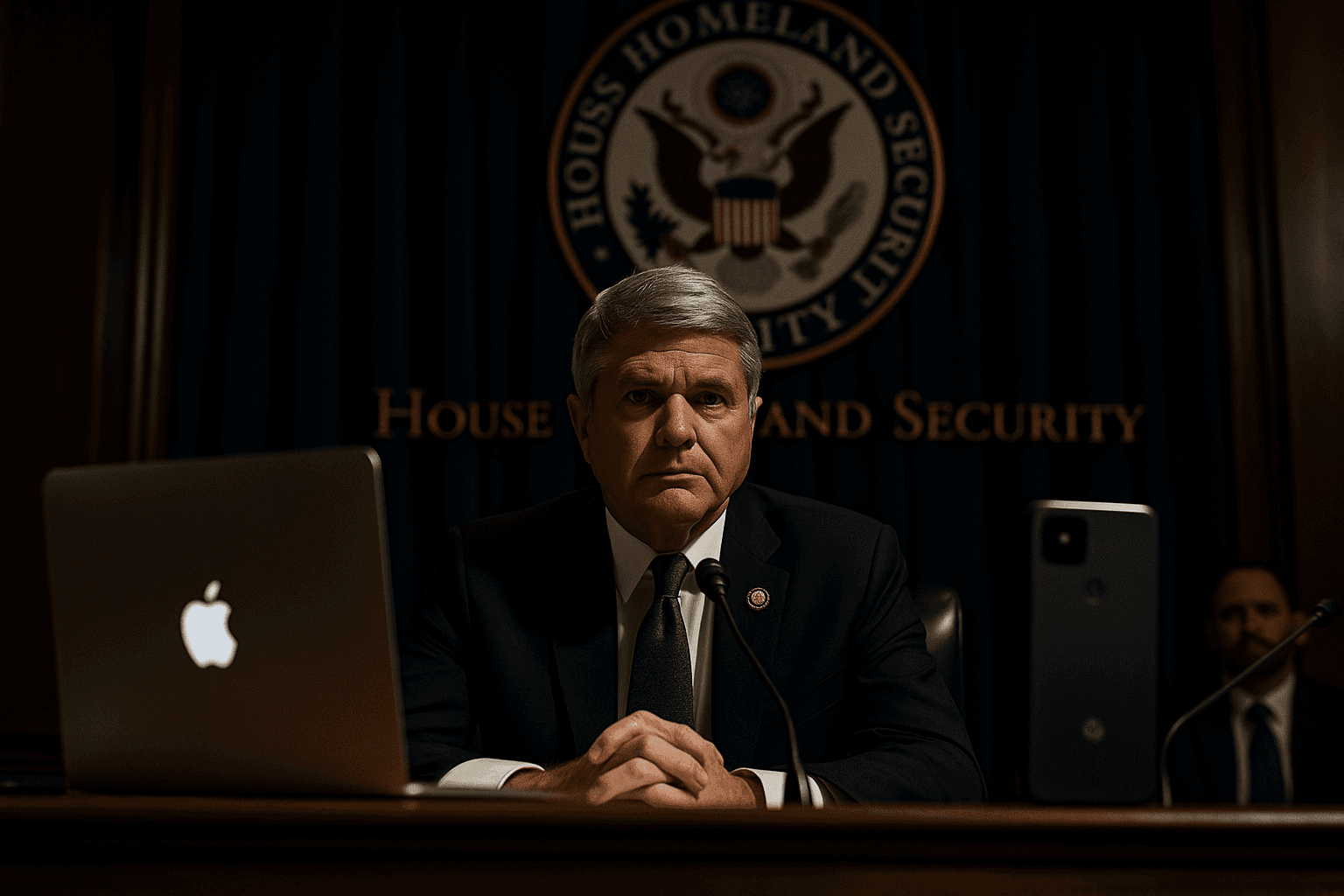
For lawmakers the inquiry taps into institutional responsibilities. The House committee exercises oversight of homeland security policy and has authority to compel testimony and documents as part of broader investigations. Setting a December 12 briefing deadline gives the companies a short window to respond, and it signals the committee’s intent to obtain timely answers amid continued political controversy over immigration operations that have drawn public attention.
Policy implications extend beyond the immediate safety concerns. If apps that reveal law enforcement locations persist, legislators and regulators could pursue new rules on digital facilitation of targeted harassment or obstruction. At the same time civil liberties groups and community organizers may press tech firms to resist overbroad restrictions that could chill protected speech or impede community reporting about government activity. The committee’s letters explicitly reference that constitutional tension.
Apple and Google have not issued new public statements responding to the committee letters. The companies have previously defended app removal decisions as enforcement of platform policy and law. The episode highlights the challenging balance between preventing tools that could endanger officers or impede lawful operations, and preserving avenues for civic oversight and community engagement in the digital age.