USCIS Cuts Work Permit Validity to 18 Months, Tightens Vetting
U.S. Citizenship and Immigration Services announced a policy change effective today that reduces the standard length of many Employment Authorization Documents from five years to 18 months, a move officials said will allow more frequent rescreening and deter fraud. The change raises the likelihood of renewed filing surges, greater administrative strain, and potential gaps in work authorization that could disrupt households and employers.

U.S. Citizenship and Immigration Services on December 5 implemented a new policy shortening the standard validity period for many Employment Authorization Documents from five years to 18 months. The agency said the change will apply to a broad set of beneficiaries including refugees, asylees and certain applicants adjusting status, and is intended to allow more frequent security rescreening and to strengthen fraud deterrence.
The immediate mechanical effect is straightforward. Under the old regime a beneficiary typically applied for renewal once every five years. Under the new rule renewals must occur roughly every 18 months, increasing renewal frequency by a factor of about 3.3. For a stable cohort of workers that previously sought one renewal every five years the agency should expect roughly three times the volume of renewal filings over the same multi year span. That projected rise in filings will place new demands on USCIS case processing capacity, which has in recent years struggled with large backlogs.
More frequent renewals mean applicants will face recurring administrative costs and more frequent background checks and biometrics appointments. If adjudication timelines do not speed up to match the higher cadence of filings some beneficiaries may experience lapses in lawful work authorization. Those gaps can interrupt paychecks, complicate payroll and tax reporting for employers, and potentially jeopardize ongoing immigration pathways for applicants who are also awaiting green cards.
Immigration advocates have warned the policy could exacerbate hardships for families and add complexity to already long immigration cases. Many adjustment of status applicants face multi year waits for permanent residency in family based and employment based channels. Requiring repeated short term work permits while underlying immigrant visa backlogs persist increases the transactional friction facing both workers and employers.
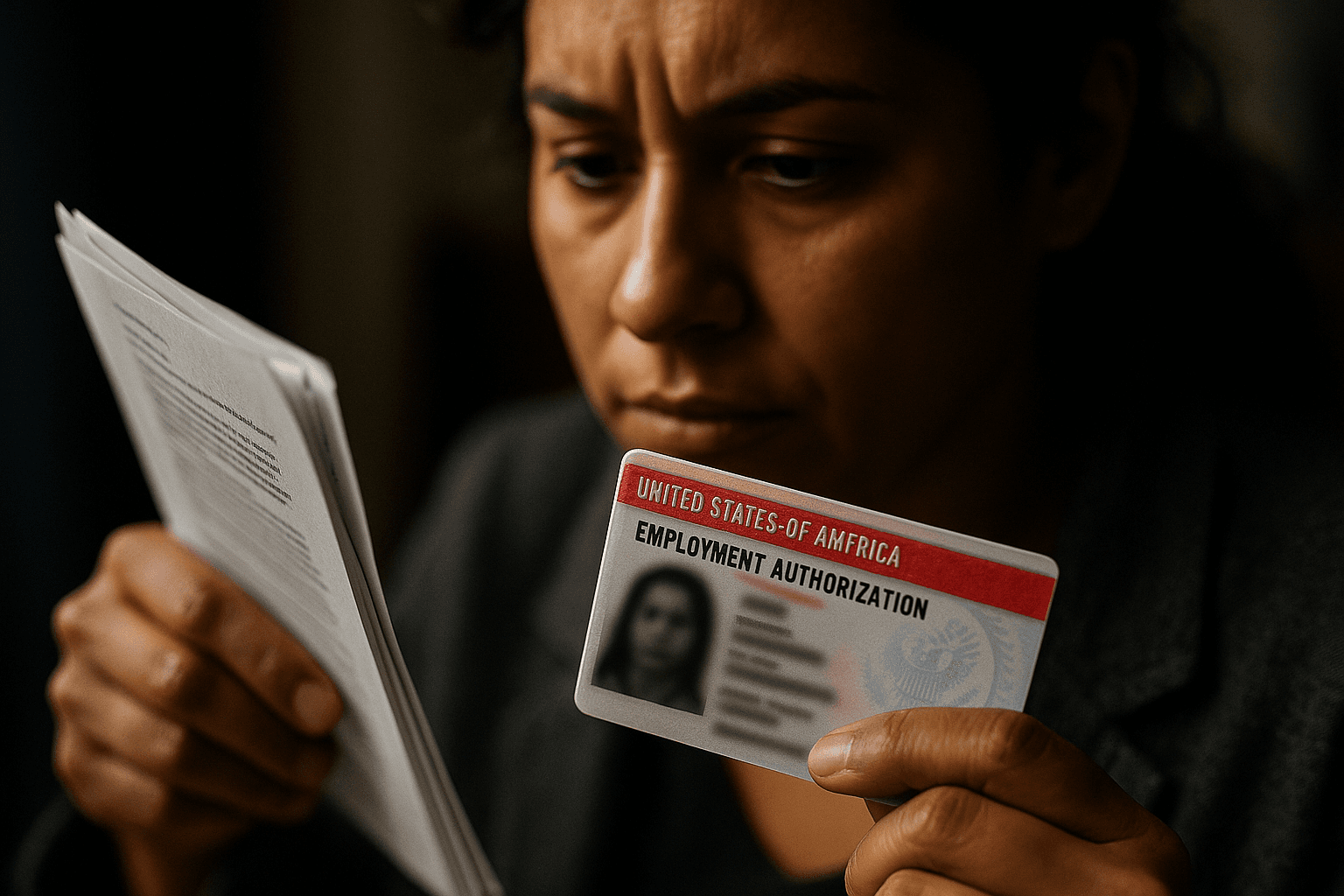
From a labor market perspective the rule tightens the regulatory environment around a set of workers who are often concentrated in vital but thin profit margin sectors. Employers that rely on legal authorization from refugees and asylees may confront higher compliance costs as they monitor authorization windows, prepare paperwork more frequently and contend with the risk of sudden staffing shortages. In tight labor markets a rise in authorization uncertainty can raise hiring frictions and temporarily push up recruiting and training costs.
The policy reflects broader long term trends in immigration enforcement toward more frequent security checks and incremental tightening of administrative rules. Those aims produce tradeoffs: more regular vetting can reduce some risks, but if adjudication capacity does not keep pace, the practical outcome may be more administrative delay and economic disruption for households and firms.
Policymakers and agency managers face clear choices. To blunt negative economic spillovers USCIS will need to scale processing capacity, streamline renewal workflows and consider transitional measures that prevent needless gaps. Absent those operational offsets the 18 month rule is likely to shift burdens from long term immigration adjudication to repeated short term administrative burdens, with measurable consequences for workers, employers and public budgets.