ICC Arrest Warrants for Putin Would Remain, Prosecutors Say
International Criminal Court deputy prosecutors told Reuters on Dec. 5, 2025 that arrest warrants for Russian President Vladimir Putin and five others would remain in force even if a U.S. led peace process included a full amnesty. The stance deepens tensions between the pursuit of justice and diplomatic efforts to end the war in Ukraine, with major implications for humanitarian access, displaced communities, and long term public health.

International Criminal Court deputy prosecutors told Reuters on Dec. 5, 2025 that arrest warrants issued for Russian President Vladimir Putin and five other Russians over alleged war crimes in Ukraine would remain in force even if a U.S. led peace process were to incorporate a blanket amnesty. Prosecutors said only a United Nations Security Council resolution could suspend or defer ICC warrants, and that the court must follow the Rome Statute unless the Security Council acted.
The comments crystallize a legal and diplomatic fault line at the center of fragile talks aimed at ending a war that has driven mass displacement, fractured health systems, and left children exposed to trauma and disruption. Reporting about an early U.S. draft peace proposal that included a controversial clause on full amnesty prompted swift pushback from Ukraine and many European officials who say that immunity for serious crimes would betray victims and undermine deterrence.
The ICC has been investigating a range of allegations tied to the conflict, including the illegal deportation of Ukrainian children, conduct that carries long term consequences for mental and physical health. Forced transfers separate children from caregivers, disrupt vaccination and medical records, and increase risks of infectious disease and untreated chronic conditions. Psychological trauma from family separation and exposure to violence can impose multigenerational burdens, amplifying needs for mental health services that Ukraine and neighboring host communities are already straining to provide.
The court’s insistence that warrants remain active underscores the practical tension between accountability and immediate humanitarian goals. Some diplomats and mediators argue that concessions on criminal responsibility may be necessary to secure a ceasefire or the release of prisoners. The ICC position makes such trade offs more legally complex, and introduces new obstacles for negotiators who must balance ending active hostilities with the rights of victims to justice.
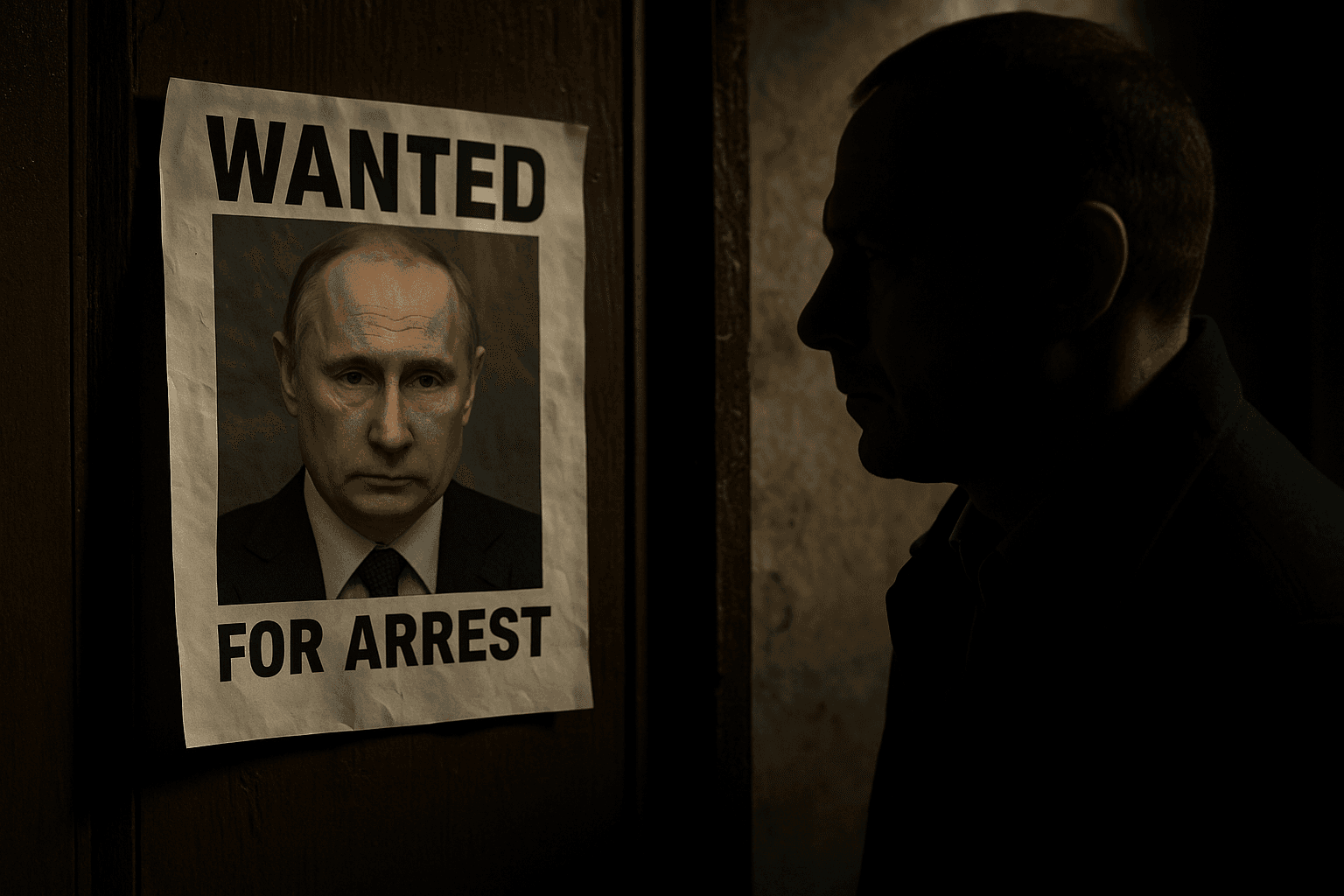
Implementation of any amnesty clause would also face enforcement challenges. The ICC relies on state cooperation to arrest and transfer suspects, and Russia has repeatedly rejected the court’s jurisdiction. A Security Council path to defer or suspend warrants exists in theory, but in practice would require agreement among permanent members. Russia occupies a permanent seat and retains veto power, a factor that will influence any Security Council deliberation and could politicize the court’s role.
For health systems and relief operations on the ground the stakes are immediate. Aid organizations warn that uncertainty around accountability can undermine humanitarian access, complicate efforts to deliver vaccines, maternal care, and psychosocial support. Displaced populations require sustained investment in primary care, mental health services, and child protection to reverse the damage of displacement and family separation, and those needs are likely to grow if political settlements do not include robust protections and reparations.
The ICC posture reinforces a central dilemma for the international community: whether peace must come at the price of impunity, or whether durable settlement depends on a credible promise of accountability and services for victims. Reuters reporting by Anthony Deutsch.