House Republicans Face Crossroads Over Looming ACA Subsidy Deadline
Republican lawmakers in competitive House districts are pressing for a last minute fix as expanded Affordable Care Act premium tax credits are scheduled to expire December 31, 2025. The outcome could raise premiums for roughly 24 million enrollees, shape campaign messaging for the 2026 midterms, and test the party's capacity to reconcile fiscal concerns with constituent pressure.
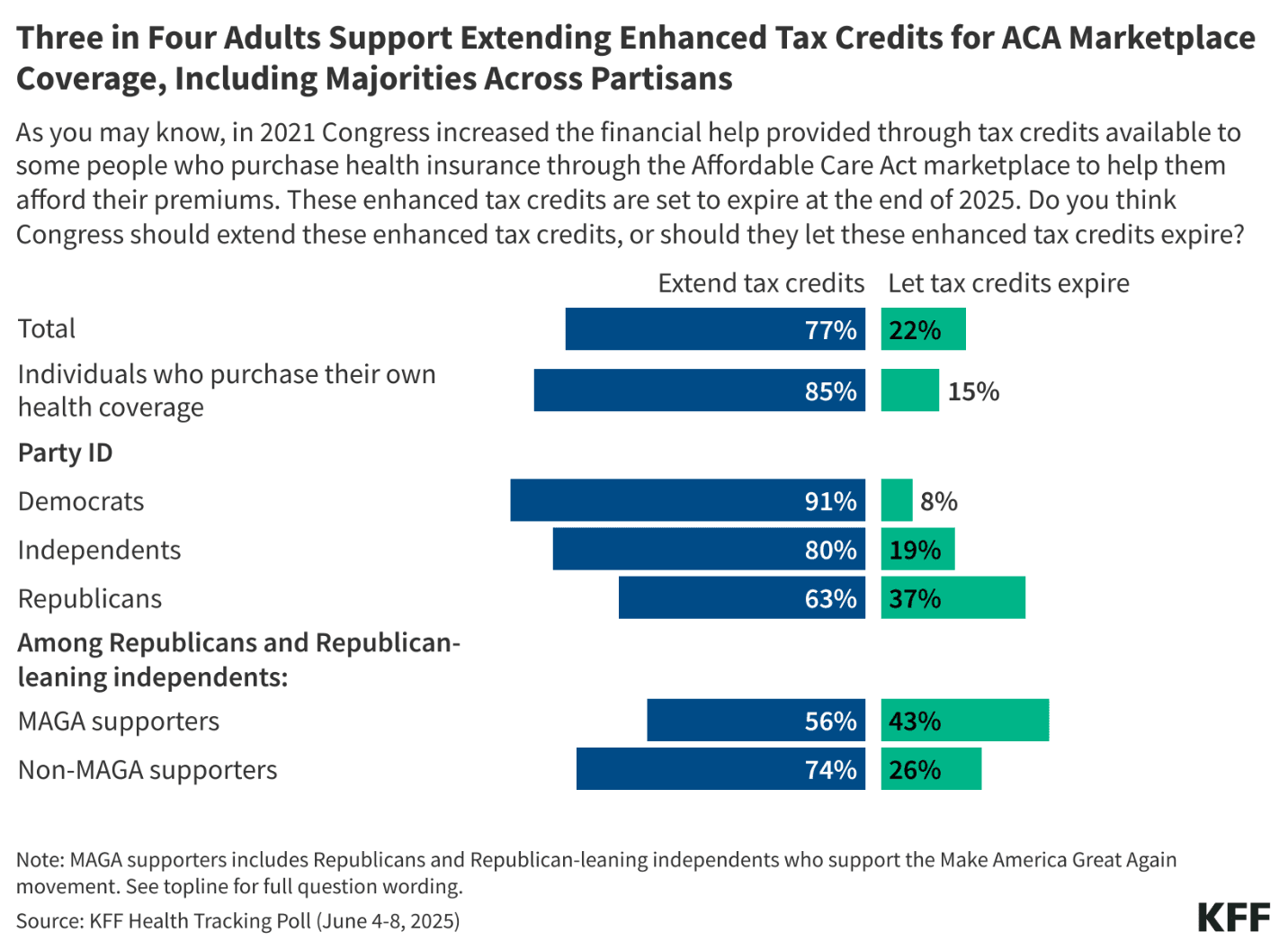
The Associated Press reported on December 8, 2025 that a band of moderate and swing district Republicans is pressing party leaders and colleagues to find an eleventh hour solution to prevent the expiration of enhanced Affordable Care Act premium tax credits at the end of the year. Those expanded subsidies, enacted in recent years to lower monthly costs for many Americans, have helped roughly 24 million people afford health coverage. If the credits lapse on December 31, 2025 many enrollees could face substantially higher premiums in 2026.
The push from vulnerable Republicans illustrates a growing tension between district level electoral calculus and broader party priorities over fiscal restraint. Moderates in competitive districts are weighing bipartisan compromise measures that would temporarily extend the premium tax credits, even as House leadership resists broad extensions that would add to federal deficits. The standoff has produced a flurry of private discussions and public messaging adjustments within Republican ranks, as lawmakers attempt to reconcile constituent demands with leadership strategy.
Policy stakes are significant. The enhanced credits were designed to make coverage affordable across income ranges, and their sudden expiration risks destabilizing insurance markets and plunging some households into coverage insecurity. Insurers and state marketplaces will have to plan next year’s rates with uncertainty over federal assistance, potentially prompting higher premiums or narrower enrollment windows if federal policy is not clarified soon.
Institutionally the calendar leaves little room for deliberative debate. With the expiration date weeks away, Congress faces compressed options: a targeted short term extension, a larger multi year deal, or ad hoc measures tied to end of year legislative vehicles. Each path carries trade offs. A narrow extension would mitigate immediate harm to enrollees but would require further action in 2026, while a broader fix would confront lawmakers with questions about offsets and long term budget implications.

The partisan dynamics are sharpening as the 2026 midterm elections approach. Republican incumbents in swing districts are confronting direct constituent pressure from families and small businesses that would feel immediate effects from subsidy cuts. Democratic strategists are likely to highlight potential premium increases as an electoral issue, while Republicans who secure extensions may face criticism from fiscal conservatives for conceding on deficit targets.
Beyond immediate politics, the dispute underscores a deeper governance question about how Congress balances short term relief against long term fiscal goals when policy changes affect millions of Americans. Lawmakers will have to weigh constituent consequences, insurance market stability, and budgetary constraints in a compressed timeline. With the deadline looming, the next two weeks will test whether pragmatic compromise or party coherence determines the fate of the subsidies and the political narratives that follow.