Trump Signals Personal Interest in Netflix, Warner Bros Acquisition Review
President Donald Trump told reporters he expects to be involved in the government review of Netflix's proposed acquisition of Warner Bros. Discovery studios, citing concerns about the combined firm’s market position. His public comments raise the political stakes for a regulatory probe that already has drawn bipartisan concern over consolidation in the entertainment sector.

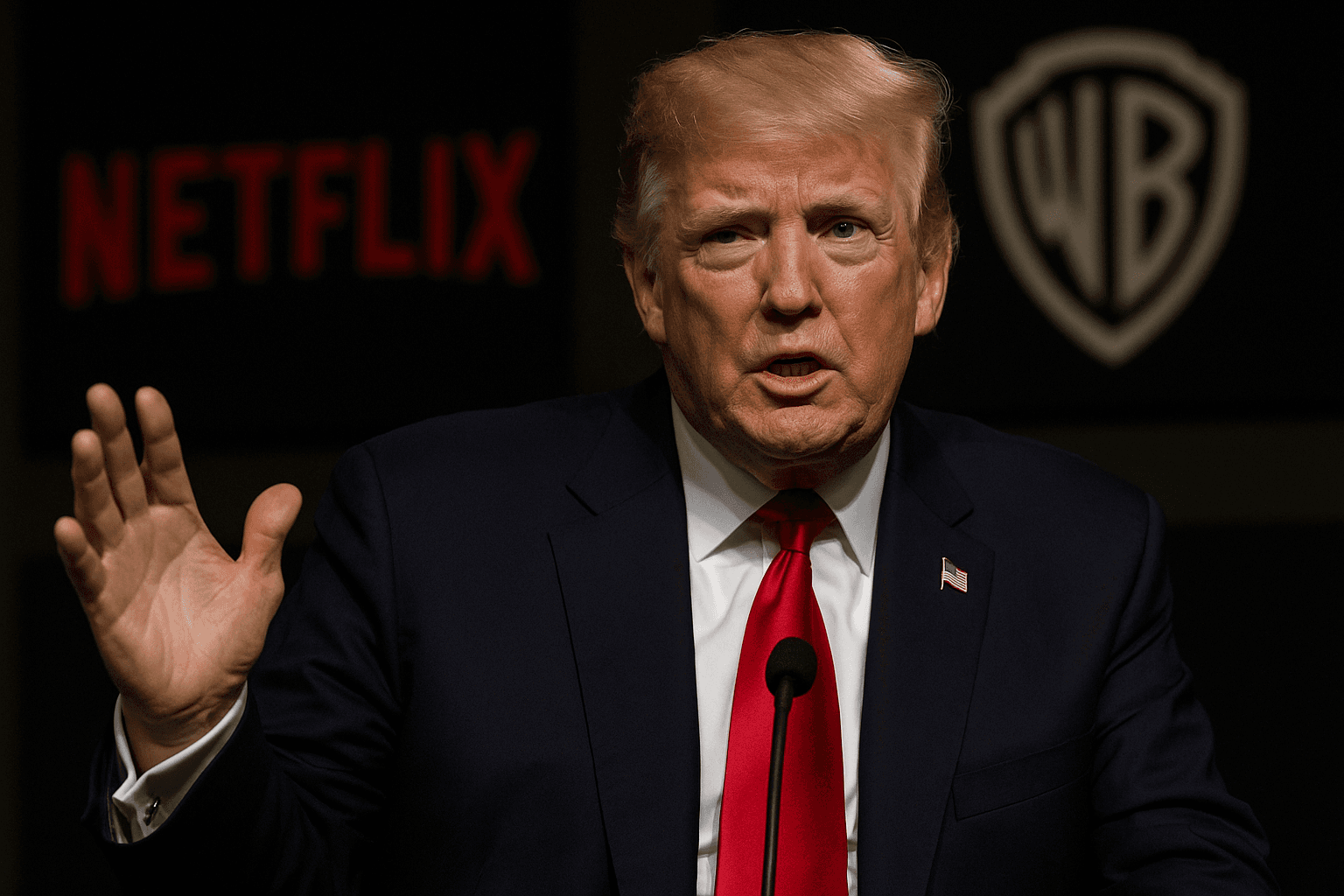
President Donald Trump said on December 7 that he expects to be involved in the federal review of Netflix’s agreement to acquire Warner Bros. Discovery’s film and streaming studios, injecting an unusual degree of presidential attention into what is normally an agency driven process. Speaking on the red carpet at the Kennedy Center Honors, Mr. Trump described the combined company as having a "very big market share" and said that could "be a problem," without saying whether he would personally seek to block or oppose the deal.
The transaction, which followed a bidding contest among Netflix and other suitors for Warner Bros. Discovery’s studios and streaming assets, has already prompted scrutiny from lawmakers, industry groups, and competitors worried about consolidation in streaming and film distribution. Antitrust officials at the Justice Department’s antitrust division and the Federal Trade Commission will carry out the formal review, but the president’s remarks are likely to sharpen political attention in Washington and increase pressure on regulators to explain their conclusions.
Legal and policy experts say the intervention could change the tenor of the review. Antitrust enforcement in the United States is conducted by independent agencies whose decisions are based on legal standards for competition and consumer welfare, but public signals from the White House can prompt more exhaustive inquiry, extended remedies, or heightened Congressional oversight. Lawmakers from both parties have already expressed unease about media consolidation, and a presidential comment adds momentum to calls for hearings and closer examination of market effects.
For consumers, the central questions are whether the deal would reduce competition in streaming video, limit choices for subscribers, or lead to higher prices for viewers and distribution partners. For creators and studios, potential outcomes include contractual renegotiations and changes in distribution strategy. For competitors, the merged entity could wield scale in content budgets and platform reach that reshapes negotiating leverage with advertisers, licensors, and cable and streaming partners.
Regulators have several tools if they find anticompetitive effects. They can impose behavioral or structural remedies, require divestitures of particular assets, or, in rare cases, bring a formal enforcement action to block a transaction in court. That process typically involves detailed economic analysis, phases of review, and opportunities for public comment. Mr. Trump’s remarks do not change the legal test but may influence the timing and intensity of procedural steps and congressional engagement.
Industry groups and investors will watch closely for statements from the Justice Department and the FTC, and for any congressional inquiries that could accompany or follow the agencies’ findings. The president’s intervention underscores a broader political sensitivity in the current moment about concentration in tech and media markets, and it highlights the intersection between executive attention and institutional safeguards meant to ensure competition policy is implemented on a legal rather than partisan basis.