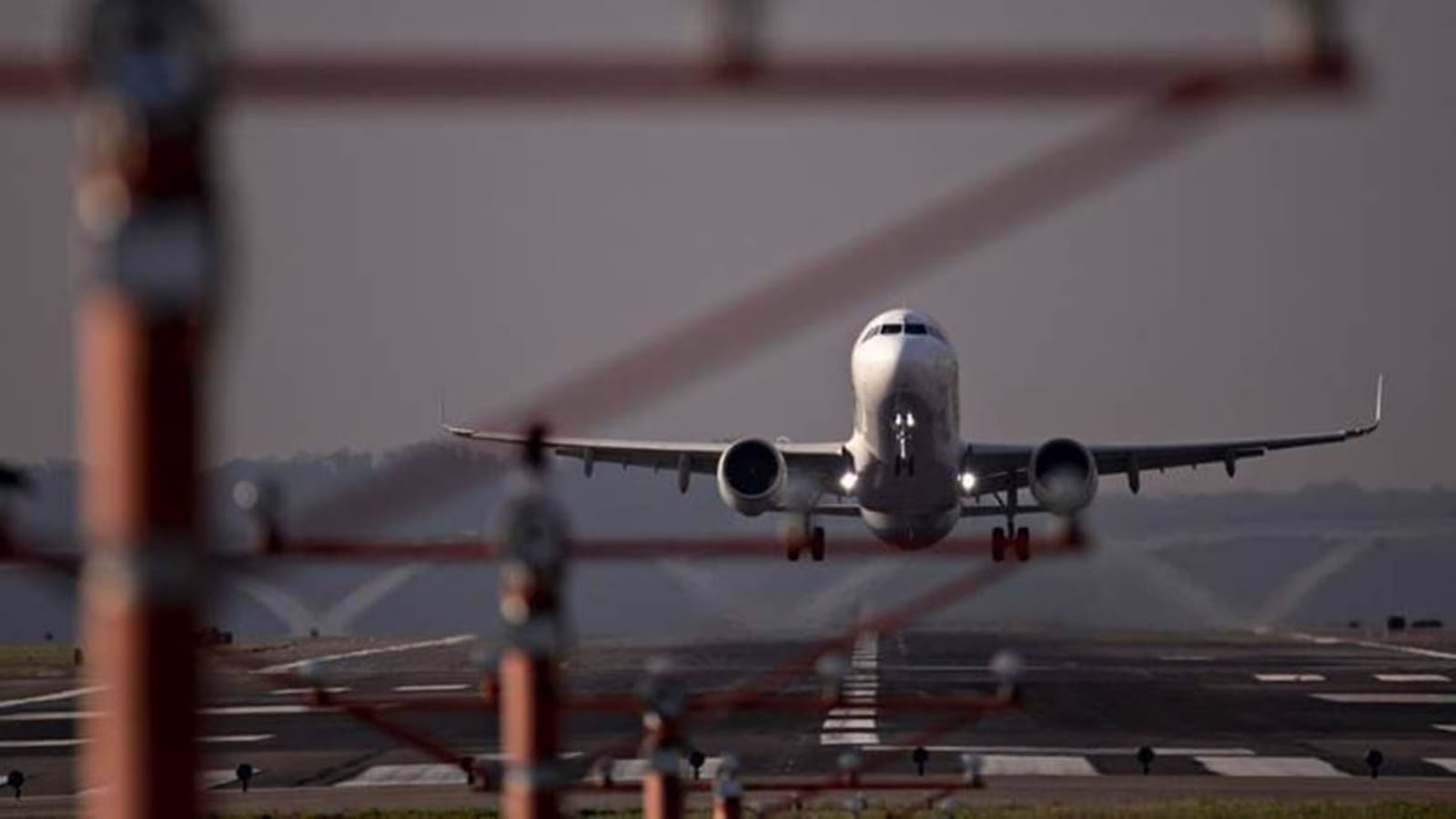
Irish investigators probe multiple drones near Zelensky’s Dublin flight path
Ireland opened a formal investigation after naval crew reported up to five drones near the expected approach of Ukrainian President Volodymyr Zelensky’s aircraft during his state visit to Dublin. The incident raises fresh concerns about probing of Western airspaces amid the war in Ukraine, and investigators are racing to establish origin and intent.
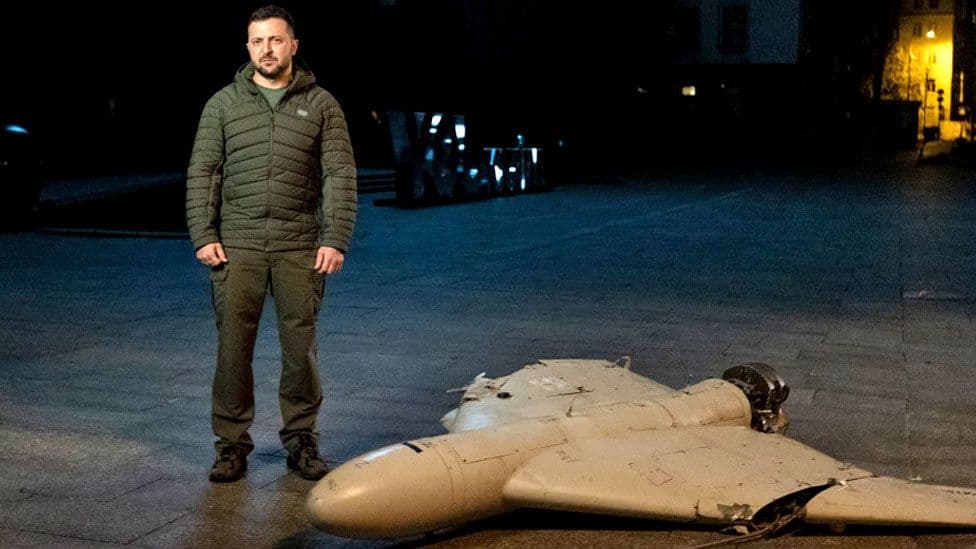
Ireland’s Special Detective Unit opened an inquiry on December 5 after naval personnel reported seeing multiple unmanned aerial vehicles near the expected approach route for President Volodymyr Zelensky’s aircraft. The sightings occurred while the president was visiting Dublin for a state visit and prompted a coordinated security response involving the Defence Forces and liaison with international partners.
Crew aboard the naval vessel LÉ William Butler Yeats first observed up to five drones while the ship had been secretly stationed in Dublin Bay as part of the protective deployment. Sources speaking to The Irish Times described the unmanned craft as a sophisticated type with a significant loitering range. Air traffic control records show no interference with civilian flights, and the president’s aircraft landed slightly ahead of schedule so it was not put at risk, according to officials.
Investigators say they have obtained footage of the devices and will use it to reconstruct flight paths, identify launch points and determine whether the drones originated from land or were deployed from a vessel at sea. Forensic analysis of imagery, radio frequency data and maritime traffic records will be central to the inquiry, which also seeks to establish whether the incident was a deliberate probe of Irish airspace or a coincidental presence.
The episode arrives against a backdrop of similar encounters elsewhere in Europe. In recent months, French forces engaged suspected drones near a naval base in an incident that heightened concerns about the use of unmanned systems to test defenses. Security analysts say such incursions fit a pattern of hybrid tactics designed to gather intelligence, sow uncertainty and stress allied detection and response systems without sparking overt confrontation.
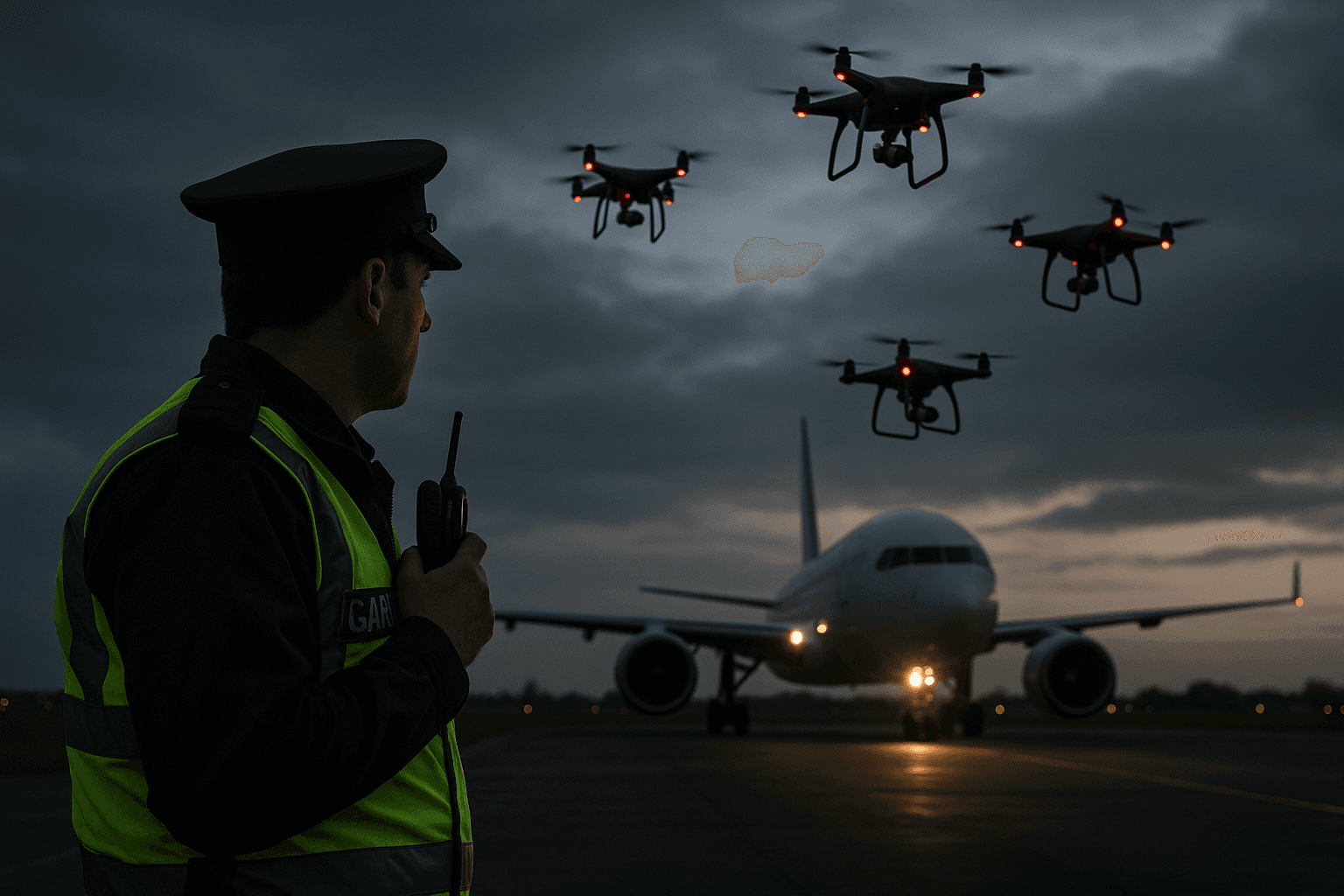
Ireland’s decision to host the Ukrainian president has symbolic weight for both Dublin and Kyiv. While Ireland is not a member of the North Atlantic Treaty Organization, it is a member of the European Union and has increasingly coordinated on security matters with partners in response to the war in Ukraine. The presence of sophisticated unmanned craft near a state aircraft raises questions about the protection of visiting leaders and the obligations of states under international law to prevent the use of their territory for hostile acts.
Officials have emphasized the investigatory nature of the response and the need for careful attribution. Determining the provenance of the drones will be technically demanding and politically sensitive. If they were launched from another jurisdiction or from international waters, the findings could have diplomatic consequences and prompt calls for tighter cooperative air and maritime monitoring among EU and NATO members.
For now, Irish authorities are focused on analysis and evidence collection. The outcome of the inquiry will be watched closely in capitals across Europe where defense planners are grappling with the operational and legal challenges posed by unmanned systems in contested environments. The incident in Dublin is likely to intensify debates about the balance between open skies for civil aviation and the need to secure airspace during high profile visits and times of heightened geopolitical tension.