Judge Declares Mistrial in Hospitals Suit Against Walmart, CVS, Walgreens
A Broward County judge declared a mistrial on December 8 in a high stakes case brought by 16 Florida hospitals alleging Walmart, CVS and Walgreens helped drive the opioid crisis and violated state racketeering laws. The outcome stalls a potentially precedent setting verdict over billions in treatment costs and leaves open the possibility of a retrial as soon as April 2026, with implications for courts, regulators and public health policy.
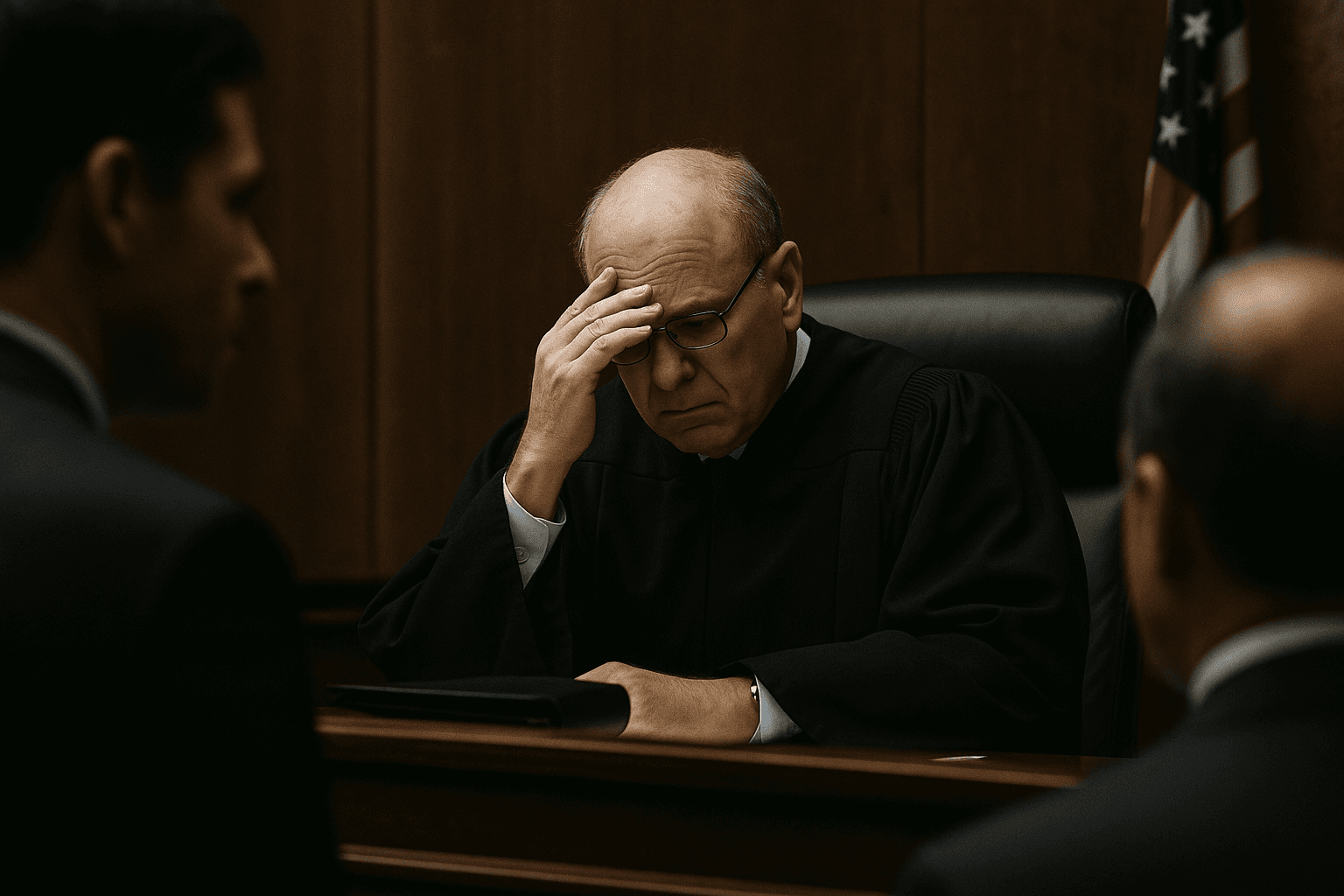
After two weeks of jury deliberations, a Broward County judge declared a mistrial on December 8 in a civil racketeering case brought by 16 Florida hospitals against three national pharmacy chains. Jurors informed the court they could not reach a unanimous verdict, concluding 14 days of deliberations without resolution. The trial had been marked by tension in the jury room, including the earlier dismissal of one juror following an altercation, court records show.
The hospitals had sought damages tied to billions of dollars in treatment and related costs, arguing that the pharmacy chains contributed to the opioid crisis and violated state racketeering statutes. The defendants, Walmart, CVS and Walgreens, maintained that their pharmacies dispensed prescription medicines lawfully and complied with applicable regulations. With the mistrial, those competing narratives remain unresolved in court.
The case formed part of a broader pattern of litigation nationwide in which governments, municipalities and health care providers have pursued legal accountability from companies involved in the opioid supply chain. In Florida, the use of state racketeering law in this context raised novel questions about the reach of civil remedies for public health harms. A definitive verdict either for the hospitals or the pharmacies could have helped clarify the responsibilities of distributors, pharmacies and other actors when prescriptions linked to addiction and diversion enter communities.
With court papers indicating plaintiffs may seek a retrial as early as April 2026, both sides now face strategic choices about next steps. The mistrial imposes additional costs and delay on the hospitals and on the pharmacy defendants alike. For the hospitals, prolonged litigation keeps unresolved billions in asserted costs off balance sheets and prolongs uncertainty over future reimbursement and budgeting. For the pharmacy chains, the specter of a retrial raises the prospect of further liability and the need to plan for reputational and financial exposure.
Beyond the immediate parties, the outcome has policy implications for state regulators and legislators. Lawmakers and health agencies seeking to curb opioid misuse may interpret the result as a signal that accountability through civil litigation is contested and that statutory clarity may be required to define duties for dispensing and monitoring prescriptions. Regulators could respond with tighter enforcement standards, reporting requirements or targeted guidance for pharmacies, but such steps would need to balance access to legitimate pain treatment against measures intended to prevent diversion.
The case also carries civic and electoral resonance. High profile litigation over the opioid crisis has been a focal point for voters and local leaders over the past decade, and an unresolved trial outcome could reappear in public debates over public health spending and corporate responsibility as candidates shape platforms for the 2026 election cycle.
For now, the mistrial leaves the core factual contest unadjudicated, and shifts attention to whether the hospitals will press for a retrial in the spring, or whether both sides will pursue settlement talks to avoid further delay and expense.