Judge orders SF Public Defender to accept most new felony cases
A judge directed the Public Defender's Office to resume taking new felony cases except for true conflicts, aiming to stop defendants appearing at hearings without counsel. The order raises staffing, legal and funding questions for City Hall.
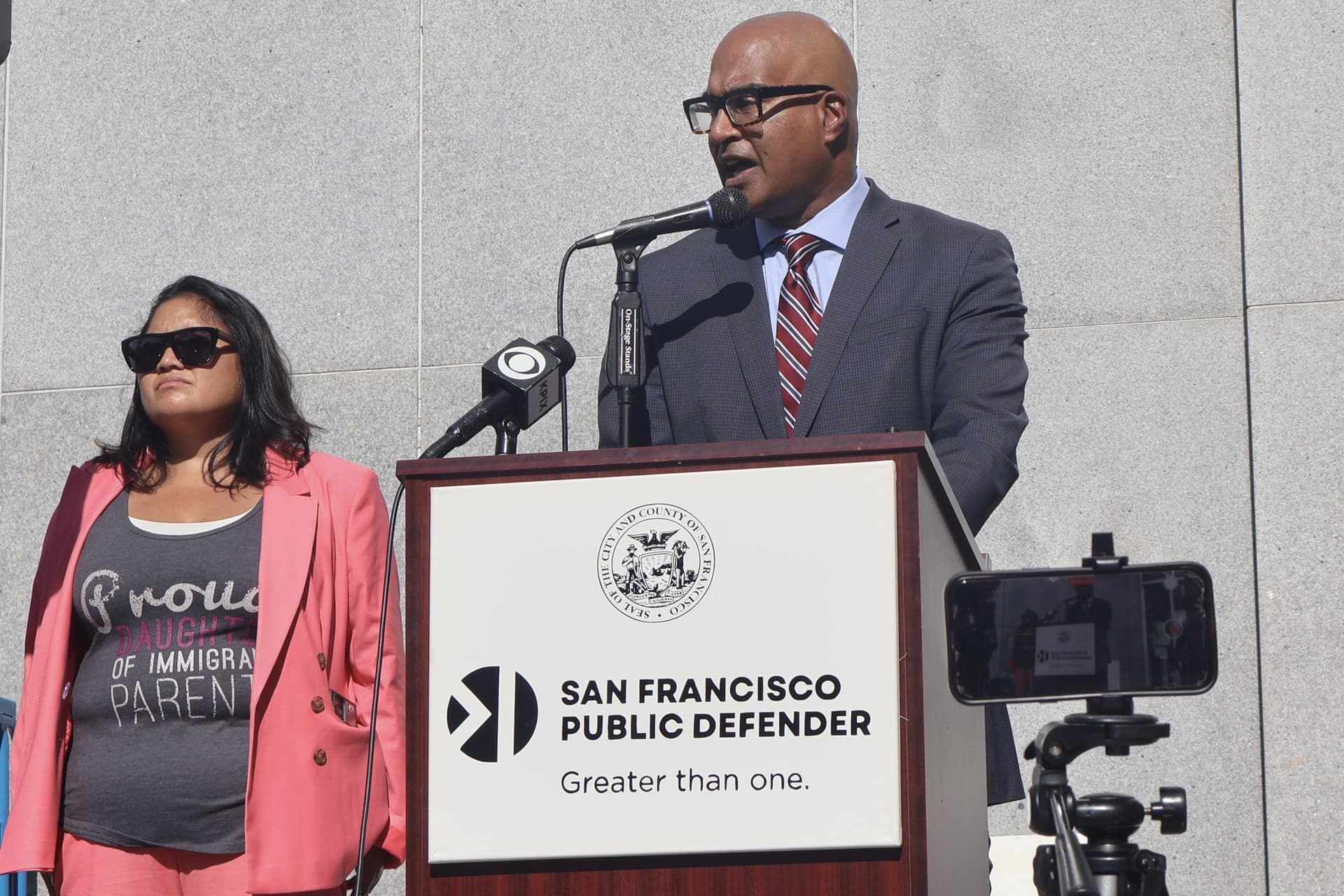
A San Francisco Superior Court judge announced Jan. 12, 2026 that he plans to order the city’s Public Defender’s Office to resume accepting most new felony cases, carving out only true conflicts of interest. The decision responds to a crisis that began last year when the Public Defender, citing unmanageable caseloads and staffing shortages, began declining some new cases and left some defendants without counsel at initial hearings.
The judge’s move is focused on the immediate problem of defendants being arraigned or appearing at bail review hearings without assigned counsel. Court officials concluded there are attorneys available to take those matters and the order is intended to plug gaps in representation at the outset of proceedings, when legal counsel can most influence outcomes including bail and release conditions.
Public Defender Mano Raju said his office will appeal the order, arguing that forcing the office to accept more cases would be unlawful, unethical and would undermine competent representation. The office has maintained that taking on cases beyond staffing capacity would compromise the quality of advocacy and violate ethical obligations to provide effective counsel.
The dispute has produced sharp accusations from the District Attorney’s office, which contends the Public Defender created the crisis as leverage to press for more city funding. That allegation highlights the political stakes: the scope of indigent defense services touches budgeting decisions at City Hall and scrutiny from elected officials and the public.
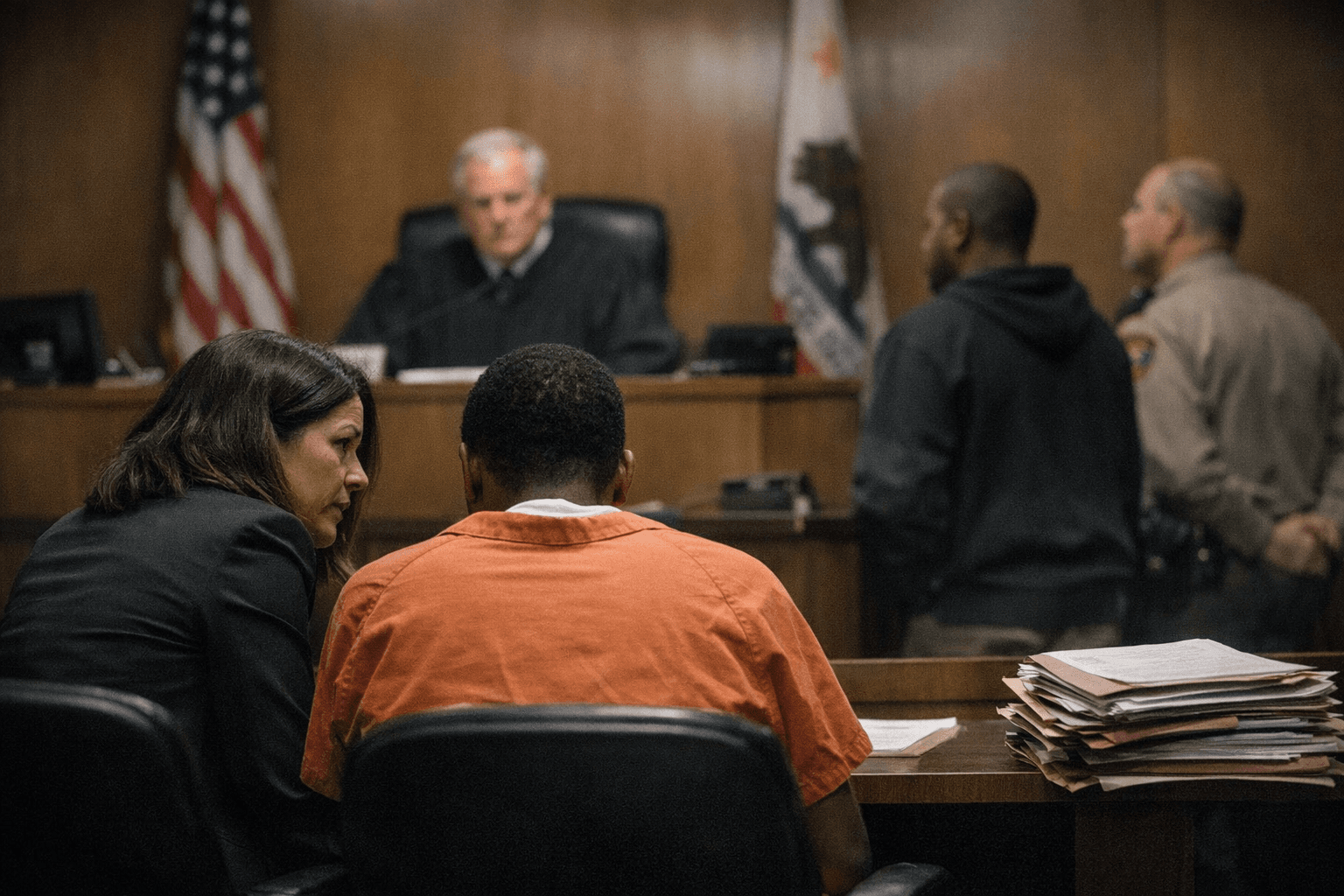
Operationally, the period of refusals has had ripple effects across the local defense ecosystem. Contracted private attorneys and conflict panels saw a sudden shift in caseload and scheduling, while courts faced the prospect of delays or the release of defendants whose cases could not proceed in a timely way without counsel. The judge’s order aims to reduce immediate releases and procedural disruptions by ensuring counsel is present at critical early hearings.
Beyond the immediate courtroom consequences, the episode raises institutional and legal questions about whether a court can compel an independent public defender office to accept appointments and how to balance an office’s ethical duty to provide competent representation with systemic shortages in staffing and resources. That tension will likely be central to the anticipated appeal and any follow-up judicial rulings.
The outcome will affect San Franciscans across the board: from neighbors who want efficient, safe courts to families of defendants whose liberty or detention depends on early representation. Our two cents? City Hall and the courts need clearer timelines and public reporting on staffing and appointment patterns so voters and supervisors can weigh budget choices. If you care about fair trials and accountable spending, contact your supervisors and follow upcoming hearings—this is a governance fight that will shape who gets a lawyer when it matters most.
Sources:
Know something we missed? Have a correction or additional information?
Submit a Tip