Leaked Intellexa Files Reveal Predator Spyware, Vendor Remote Access
Leaked internal files and training videos published by a coalition of investigative outlets and Amnesty International Security Lab show the Intellexa consortium used Predator spyware across multiple countries and that vendor staff at times retained remote access to customer surveillance dashboards and data. The disclosures raise fresh questions about corporate due diligence, possible liability and the effectiveness of recent U.S. sanctions.
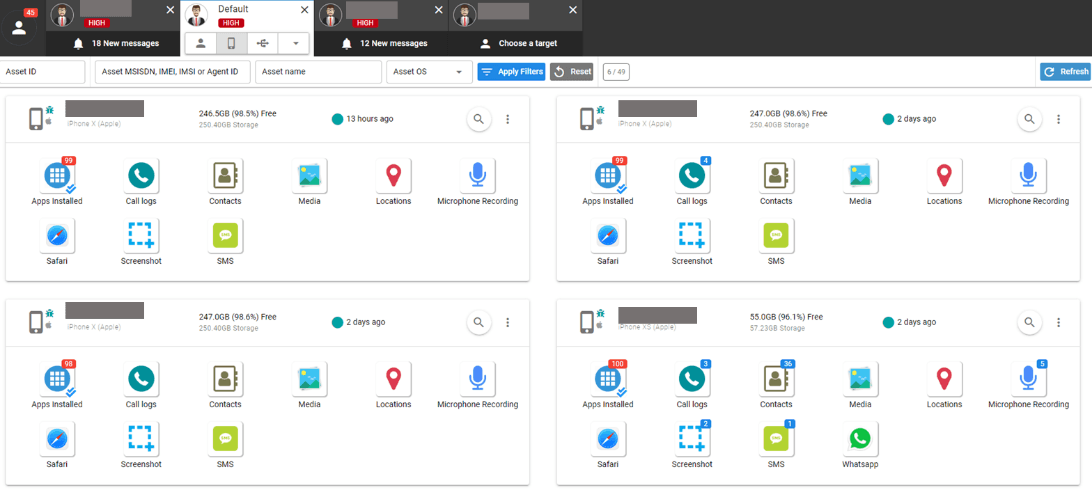
Leaked internal files and training videos published December 4 and 5 by a coalition of investigative outlets working with Amnesty International Security Lab allege that the Intellexa consortium deployed Predator spyware in multiple countries and that Intellexa personnel at times retained remote access to customers’ surveillance dashboards and data. The materials, which include architecture diagrams, operational recordings and training footage, depict both offensive operations and what appear to be vendor interventions into live customer systems.
Among the documents is a record of an attempted Predator one click attack on a Pakistani human rights lawyer. The footage and associated logs show a streamlined exploit workflow designed to deliver surveillance implants with minimal interaction by the operator. Other training segments use live customer dashboards and telemetry, according to the published material, suggesting that trainers accessed real world deployments rather than sanitized test environments. Advocates and legal experts said those details deepen concerns that vendor involvement extended beyond installation and maintenance into operational control and ongoing monitoring.
The disclosures come after a year of mounting scrutiny of private surveillance vendors and follow U.S. sanctions imposed earlier in 2025 against entities linked to Intellexa. Those sanctions targeted companies and individuals alleged to have provided spyware to authoritarian clients. The new leaks, by documenting alleged vendor access to customer data, could complicate the legal and regulatory calculus facing Intellexa related entities and their corporate partners.
Human rights organizations and digital security researchers said the files underscore the potential for abuse when commercial surveillance tools are supplied without robust safeguards. Retained access to customer dashboards can mean that a vendor, intentionally or inadvertently, has the ability to pivot from support functions to direct surveillance of targets. That capability raises questions about export control compliance, contractual limits on vendor activity and potential civil or criminal liability where surveillance contributes to repression.
The training materials also raised procedural issues. Using live customer systems in operational training can expose targets to additional risk, because exercises conducted on real deployments can generate logs, errors or unintended disclosures that identify investigative subjects or reveal tactics and tools. Cybersecurity specialists warned that such practices can compound harm when customers are themselves state actors with poor human rights records.
Governments that have already imposed or considered restrictions on spyware exports may use the new disclosures to argue for broader controls or for criminal investigations. The revelations are also likely to influence ongoing debates in Europe and elsewhere over licensing, oversight and liability for private surveillance firms. Legal analysts noted that proving corporate liability will depend on documentation showing intent or reckless disregard, but acknowledged that the leaked operational records could supply prosecutors and regulators with important evidence.
Intellexa has previously disputed aspects of public allegations and the company has faced complex ownership and jurisdictional structures that complicate enforcement. The newly released files are expected to prompt further reporting, independent security analyses and calls for transparent inquiries by governments and international bodies concerned with the protection of civil liberties. As the debate over commercial spyware intensifies, the leaks spotlight the tensions between private sector innovation, state surveillance demands and the protection of fundamental rights.