Magnitude 7.0 Earthquake Shakes Remote Yakutat, Alaska Region
A magnitude 7.0 earthquake struck the Yakutat area of Alaska on December 6, 2025, the U.S. Geological Survey said, tilting lives in sparsely populated coastal and interior communities. Though no tsunami warning was issued and there were no immediate reports of casualties or major structural damage, the temblor underscores vulnerabilities in remote health systems and infrastructure that serve Indigenous and rural residents.

A strong earthquake measuring magnitude 7.0 rattled the remote Yakutat region of Alaska on December 6, 2025, the U.S. Geological Survey reported, centered near the Alaska Yukon border at a depth of roughly 10 kilometers. The quake was recorded in a sparsely inhabited area, and authorities said no tsunami warning was issued. Residents and monitoring stations reported shaking in parts of the Alaska panhandle and in the Yukon, and local seismic agencies recorded a sequence of aftershocks following the main event.
Initial status checks indicated no immediate reports of fatalities or widespread structural collapse. Emergency managers and local officials in affected communities are conducting assessments by phone and satellite communications where possible, while regional transportation and air links remain essential for rapid evaluation. Reuters coverage noted that the location's remoteness likely reduced the risk of large casualties despite the magnitude of the event.
Even when a major earthquake strikes away from population centers, the public health and social consequences can be pronounced. Remote Alaskan communities often contend with limited local medical capacity, constrained air service, and housing that is vulnerable to winter weather. This event occurred as winter conditions were setting in, complicating mobility and the potential deployment of search and rescue or medical evacuation resources if they become necessary.
Public health authorities emphasize that the first priorities after an earthquake typically include checking for injuries, ensuring access to safe shelter and heat, and preventing secondary harms related to power and water outages. In Alaska, where many rural communities rely on diesel heating and local wells or hauled water, disruptions to utilities can quickly become health emergencies. Crowded temporary housing and displacement also raise concerns about communicable disease spread and the need for mental health supports for residents who endure the trauma of shaking and aftershocks.
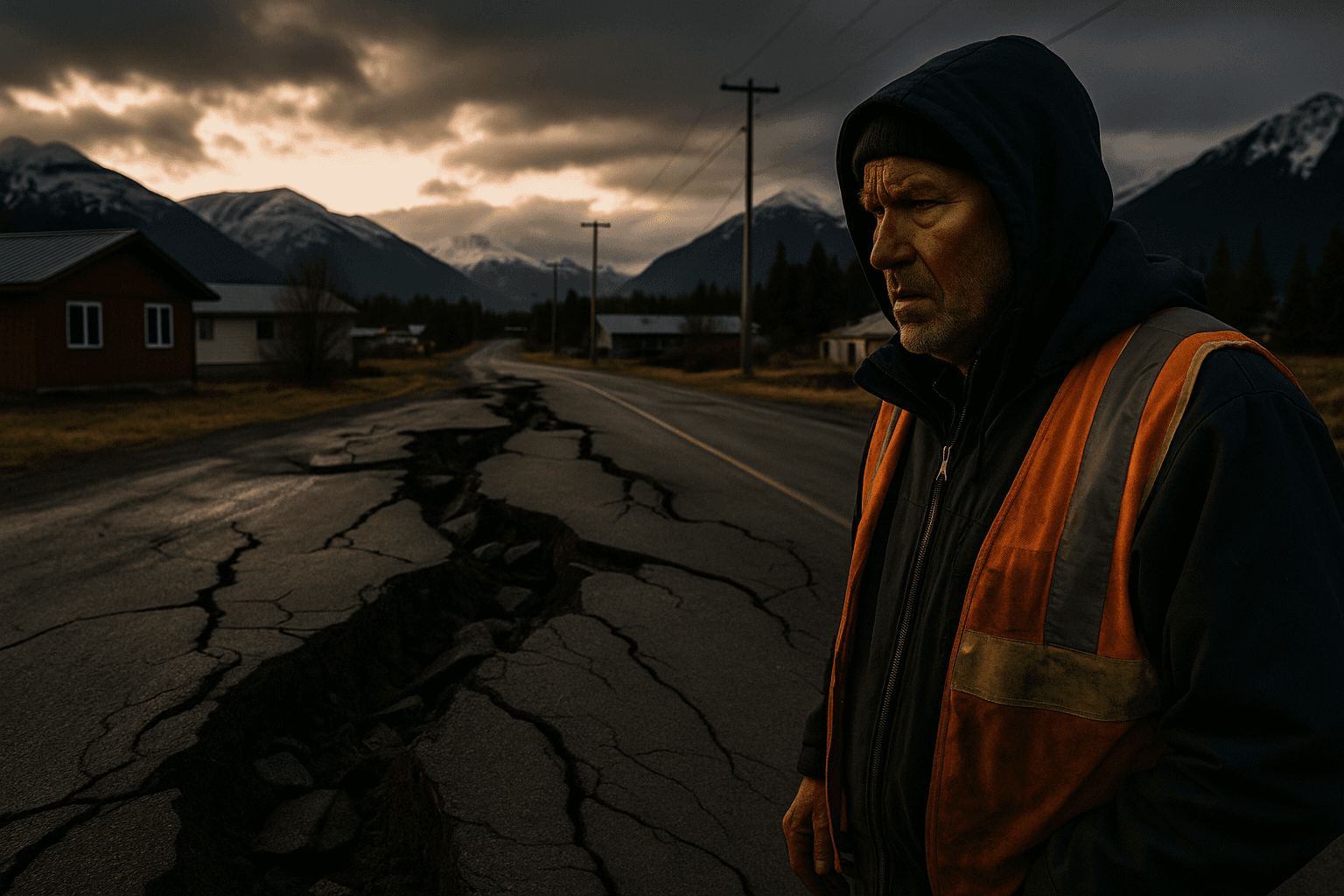
The quake highlights entrenched equity challenges in disaster preparedness and health care delivery. Indigenous and rural residents of Alaska already face disparities in access to primary care, specialist services, and emergency transport. When infrastructure is strained, those disparities can deepen. Ensuring timely supply chains for medical evacuations, continuity of care for chronic conditions, and culturally informed mental health services will be an early test for regional and federal response systems.
Federal agencies and state emergency planners retain responsibility for coordinating support for remote communities, often working with local tribal health organizations and village corporations to prioritize needs. Satellite communications, airlift capacity, and prepositioned supplies are central to an effective response in areas without road access. The sequence of aftershocks means officials must continue monitoring seismic activity and communicate safety guidance to residents who may still be at risk from unstable structures or landslides.
At this stage authorities are focused on damage assessments and ensuring that residents have access to basic necessities. The lack of an immediate tsunami warning and absence of reported major damage are encouraging, but the event is a reminder of the fragility of services in isolated regions and the importance of sustained investment in emergency medical infrastructure, resilient housing, and equitable disaster planning for Alaska's rural and Indigenous communities.