More than 1,000 anti-ICE demonstrations sweep the nation after Minneapolis killing
Thousands rallied across hundreds of cities to demand independent probes and an end to federal immigration enforcement in communities, highlighting public-safety and health concerns.
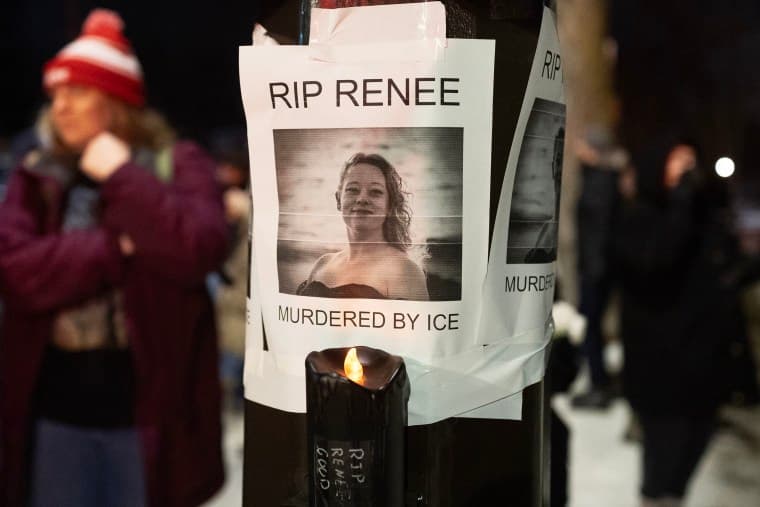
More than 1,000 demonstrations under the banner "ICE Out For Good" flooded streets across the United States over the weekend, driven by outrage after an ICE agent fatally shot Renee Nicole Good during a federal immigration operation in south Minneapolis earlier in the week. The mobilization brought tens of thousands into the cold in Minneapolis and drew large crowds in Washington, New York, Portland, Los Angeles and scores of smaller towns, renewing national debates over federal enforcement, oversight and community safety.
Organizers framed the actions as nonviolent and community-led and promoted a coordinated weekend of rallies and marches intended to pressure federal authorities to allow independent investigations and to curtail ICE and Border Patrol operations in neighborhoods. A coalition including national civil liberties groups helped promote the events. In Minneapolis, demonstrators moved toward the street where Good, a 37-year-old U.S. citizen and mother, was shot; other actions targeted hotels believed to house federal agents.
Local law enforcement and city officials said dozens of detentions and citations were issued as some gatherings became confrontational. Minneapolis police cited roughly 29 people after an overnight demonstration that escalated outside a hotel, and local officials reported several instances of property damage at sites protesters identified with federal agents. Authorities urged protesters to remain peaceful and warned that illegal behavior could complicate community goals and public safety.
The killing of Good, identified as the result of an ICE agent’s use of force, has been characterized by the administration as self-defense; critics, eyewitnesses and local leaders have disputed that account and demanded transparent, independent inquiries. In a separate incident earlier in the week, Border Patrol agents shot and wounded two people in Portland during an enforcement action; both survived and the department described them as suspected gang associates. Those episodes intensified calls for systemic reform, oversight and restrictions on how federal enforcement operates in local jurisdictions.
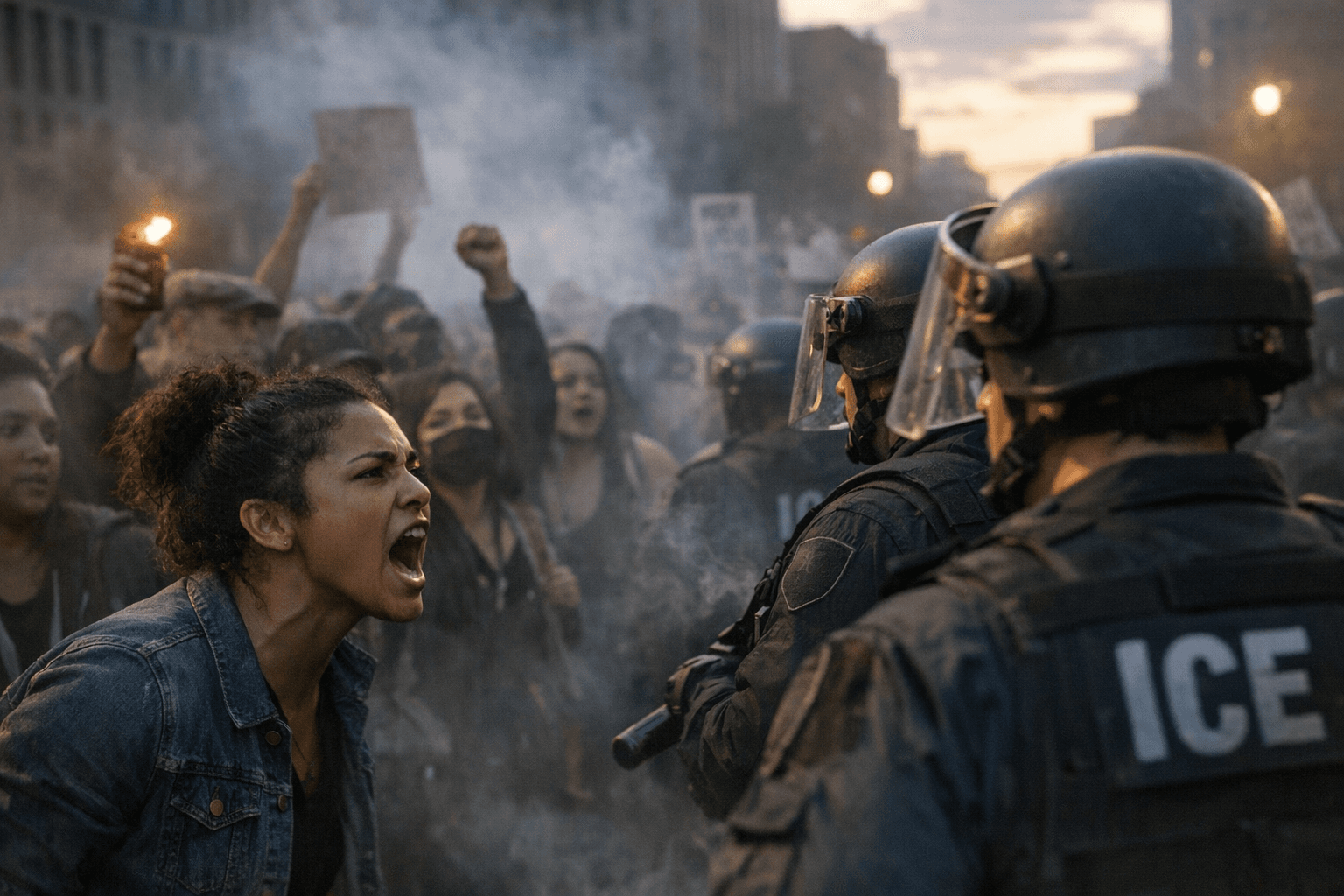
Advocacy groups used strong language to describe the weekend’s aims and the broader pattern of enforcement. The 50501 movement called Good and the Portland victims "just the most recent victims of ICE’s reign of terror," and said, "ICE has brutalized communities for decades, but its violence under the Trump regime has accelerated." Organizers also articulated demands for accountability and policy change, including independent investigations and the removal of federal immigration enforcement activities from certain cities.
Beyond the immediate political and legal questions, the protests underscored public health and community impacts that advocates warn are often overlooked. Sustained federal operations in residential neighborhoods can undermine trust in institutions that deliver health and emergency services, advocates say, deterring people from seeking care, reporting violence or participating in public-health campaigns. Mental health providers and community organizations in several cities mobilized to offer support to protesters and residents, citing trauma, fear and the need for accessible, culturally competent services.
Lawmakers and local officials face pressure to balance public safety, civil liberties and community health. As investigations continue and arrest tallies and damage assessments are finalized, the demonstrations have made clear that immigration enforcement policy is likely to remain a flashpoint, with profound implications for trust in government, access to health services and the safety of communities across the country.
Know something we missed? Have a correction or additional information?
Submit a Tip