National security chiefs to brief Gang of Eight amid Venezuela tensions, naval buildup
Top national security officials are briefing the bipartisan Gang of Eight today on classified operations against suspected drug smuggling linked to Venezuela, a move that underscores rising U.S. military involvement in the region and growing congressional scrutiny. The session comes as a major naval buildup and contested strikes raise legal and geopolitical questions that could affect hemispheric stability and economic risk in energy and maritime markets.

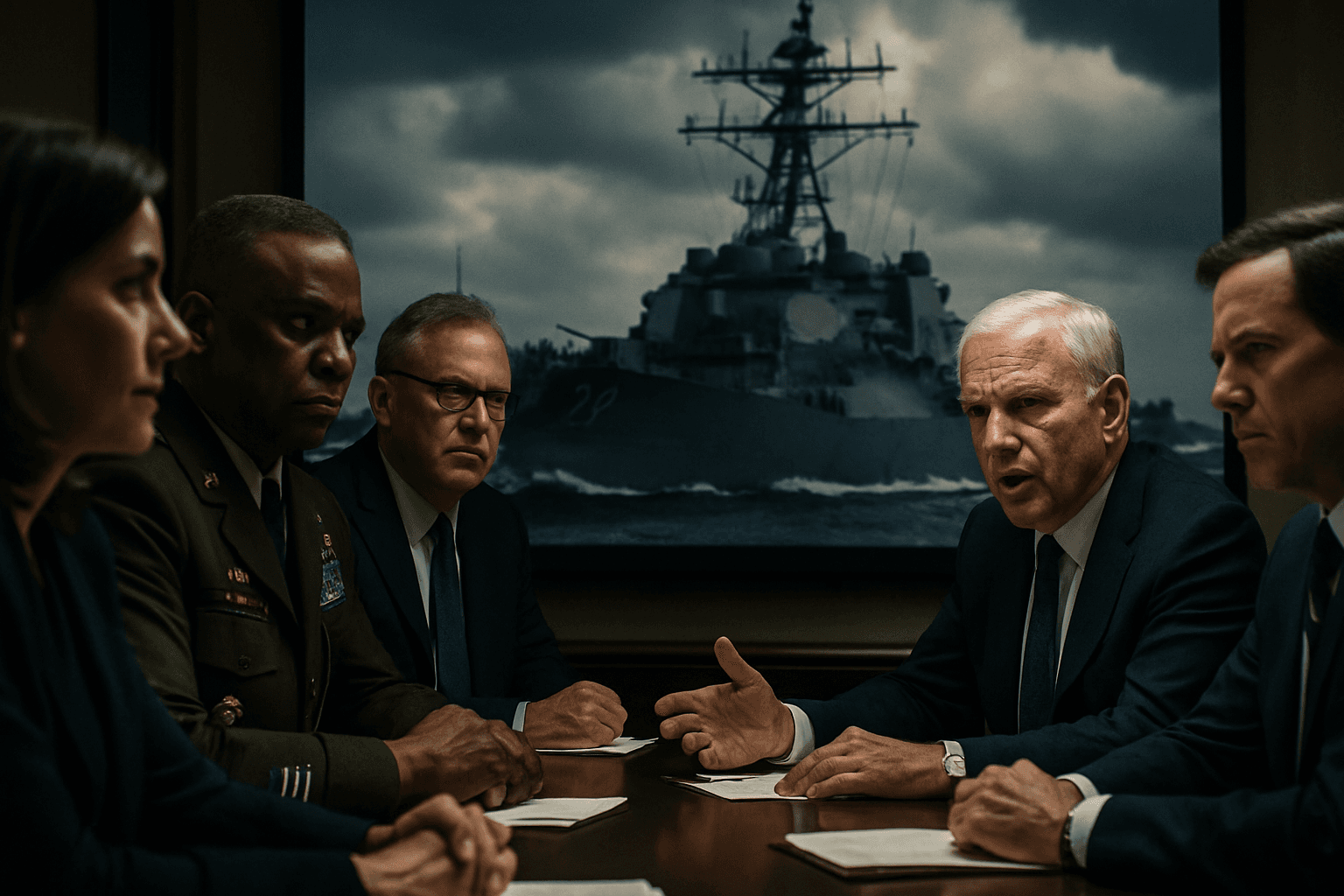
Senior administration officials are briefing congressional leaders today on a months long United States campaign targeting suspected drug smuggling operations in the Caribbean and Pacific that has sharply escalated tensions with Venezuela. The classified session for the Gang of Eight, convened by top intelligence and congressional leaders, features Secretary of Defense Pete Hegseth, Chairman of the Joint Chiefs General Dan Caine, and Secretary of State Marco Rubio. Lawmakers are receiving details on recent operations, rules of engagement and the regional posture that officials say is intended to disrupt illicit networks transporting narcotics to the United States.
The brief comes as the Pentagon has staged a significant naval buildup in the region, deploying an aircraft carrier strike group and a nuclear submarine, and conducting other kinetic actions that U.S. officials characterize as necessary to interdict drug flows. Those operations have provoked controversy over the legality of some strikes, with critics in Congress and legal circles questioning the legal authorities used to justify cross border or extraterritorial actions. Admiral Alvin Holsey, the outgoing commander of U.S. Southern Command, is expected to give a separate briefing to lawmakers before stepping down amid conflicting accounts about whether he was pushed from the post.
The classified nature of the briefing reflects the administration's intent to shield sensitive tactics and intelligence sources from public disclosure, while still meeting statutory congressional oversight obligations through the Gang of Eight, the small group of legislative leaders and intelligence committee chairs entitled to the most sensitive briefings. The decision to use that channel is likely to intensify debate on Capitol Hill about the adequacy of oversight, potential need for new statutory constraints and the transparency appropriate for operations that risk escalating into broader confrontation with a sovereign state.
Beyond the immediate political stakes, analysts say the campaign has economic and market implications. Venezuela remains a significant player in global energy markets, and any sustained military tension in the Caribbean raises risk premiums for shipping and energy traders. Insurers and maritime operators typically factor heightened geopolitical risk into freight and coverage costs when naval activity and interdiction operations increase in key routes. Markets could react to further developments if operations expand or if Caracas responds in ways that threaten commercial shipping or regional air traffic.
The episode also highlights a longer term trend of militarized responses to transnational criminal networks. Policymakers face trade offs between disrupting illicit economies that fuel violence and migration, and the diplomatic and legal costs of unilateral kinetic operations. For Congress, the briefings present an opportunity to weigh those trade offs through hearings and, potentially, legislation that clarifies the limits of executive authority in counter narcotics operations abroad.
As legislators review classified material today, attention will likely shift to follow up oversight hearings and public debates over both the scope of the campaign and the circumstances of Admiral Holsey's departure from Southern Command. The outcome could shape U.S. policy in the hemisphere for months to come and influence how markets price the risk of further escalation.