Nationwide Protests in Iran Challenge Regime Amid Economic Collapse
Widespread demonstrations that began over the rial’s collapse and rising prices have morphed into an unprecedented test of Iran’s political order, with rights groups reporting dozens killed and thousands detained. The unrest, now in its 11th day, raises urgent questions about the durability of Iran’s social contract and the international community’s response to use of force and mass arrests.
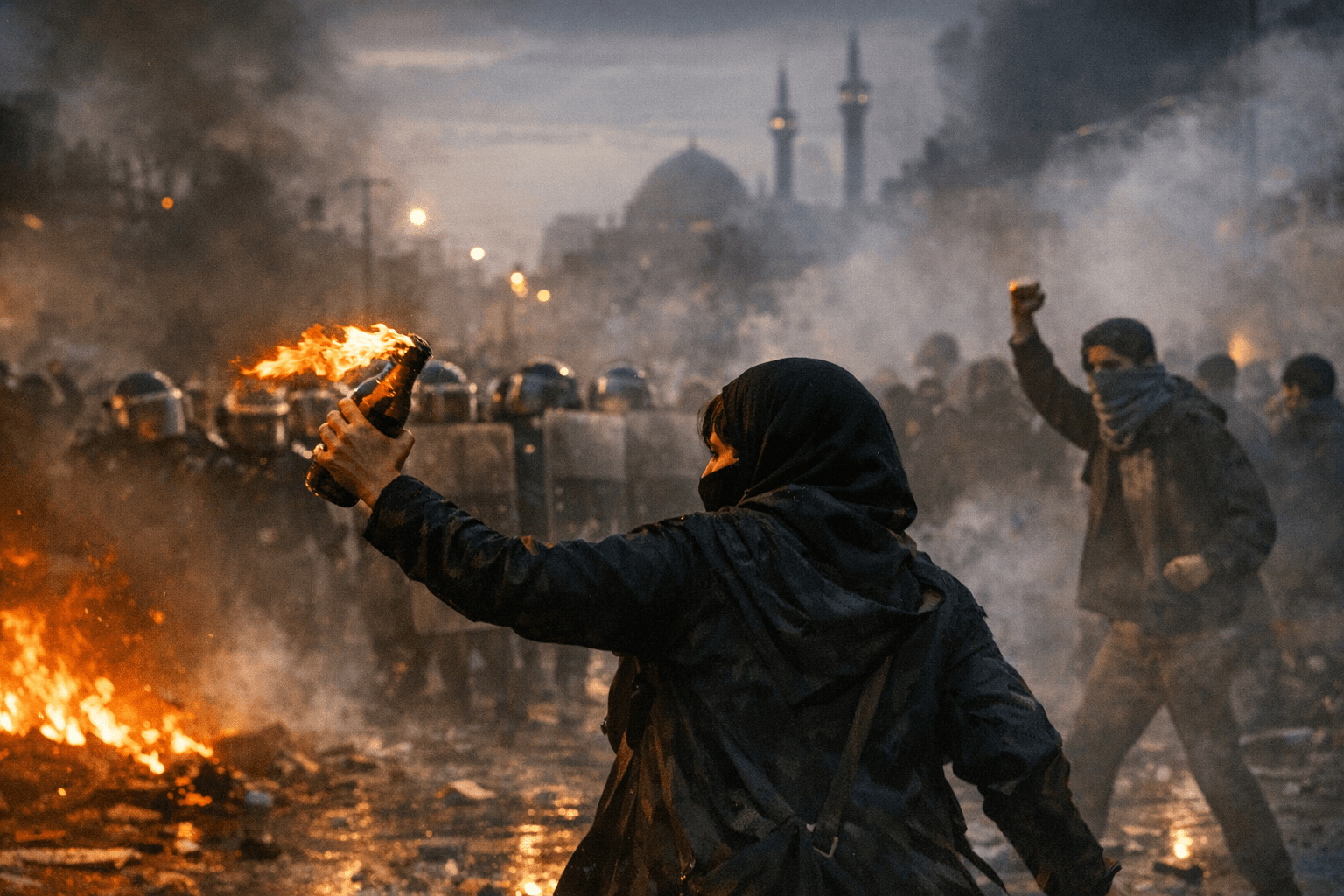
Protests sparked by the Iranian currency’s precipitous fall and a sharp rise in living costs have spread from Tehran’s electronics markets into cities, university campuses and bazaars across the country, escalating into a direct challenge to the ruling establishment. What began in late December as an economic outcry has, in the space of 11 days, broadened geographically and politically, with demonstrators in traditionally religious centers openly confronting security forces.
Rights groups monitoring the unrest report a heavy human cost. Human Rights Activists News Agency, known as HRANA, has counted 36 deaths since demonstrations intensified, identifying 34 protesters and two members of the security services among the dead. Other organizations and monitors report lower yet still alarming tallies, with some citing at least 20 fatalities, including children. The Hengaw Organization for Human Rights, which tracks developments in Iran’s Kurdish regions, said security forces opened fire on crowds in Malekshahi and nearby Ilam, killing five people and wounding more than 40.
Arrests have been mass and indiscriminate, according to rights monitors. HRANA and allied networks place the number of detainees at more than 2,000, and several organizations warn that minors are among those taken into custody. Independent verification inside Iran is constrained by limited press access; much of the documentation reaching international monitors comes from smartphone video and accounts relayed by contacts inside the country. One rights organization reported protests or street gatherings in at least 174 locations over a seven‑day period, underscoring the breadth of the unrest.
Security forces have employed tear gas, baton charges and, in numerous instances, live rounds to disperse crowds. The adoption of lethal force has deepened public anger and widened the protests beyond their economic origins, bringing demonstrations to cities such as Shiraz, Mashhad, Zahedan, Hamadan, Yasuj and the religious city of Qom. Protesters in Qom and other conservative areas signify a rare cross‑societal challenge to the authorities.
The international reaction has been cautious but pointed. The United Nations expressed concern about the violence, with the U.N. Secretary‑General "deeply saddened by the reported loss of life and injuries," a sentiment conveyed to reporters by U.N. Spokesperson Stéphane Dujarric. In Washington, the U.S. president publicly warned of possible intervention if Tehran’s crackdown continued, a stance that Iranian officials had not publicly answered as of this writing.
Legal and diplomatic questions now loom. The scale of killings and mass detentions raises potential violations of international human rights law and obligations to protect civilians. For neighboring states and European partners, the crisis poses a dilemma: pressure on Tehran risks provoking nationalist backlash and further repression, while silence would imply acquiescence to rights abuses.
For many Iranians, the collapse of the rial to a reported record low of roughly 1.46 million to the dollar crystallized long‑standing grievances about economic mismanagement and political exclusion. As demonstrations persist into their second week and beyond, the government faces a defining choice between forceful repression and political concessions that could reshape the country’s domestic politics and regional posture.
Know something we missed? Have a correction or additional information?
Submit a Tip