Neighborhood groups sue to block Lurie’s Family Zoning upzoning plan
Neighborhood groups and small-business advocates sued to halt Family Zoning, saying the city skipped required CEQA review. The outcome could reshape housing, renter protections, and local services.
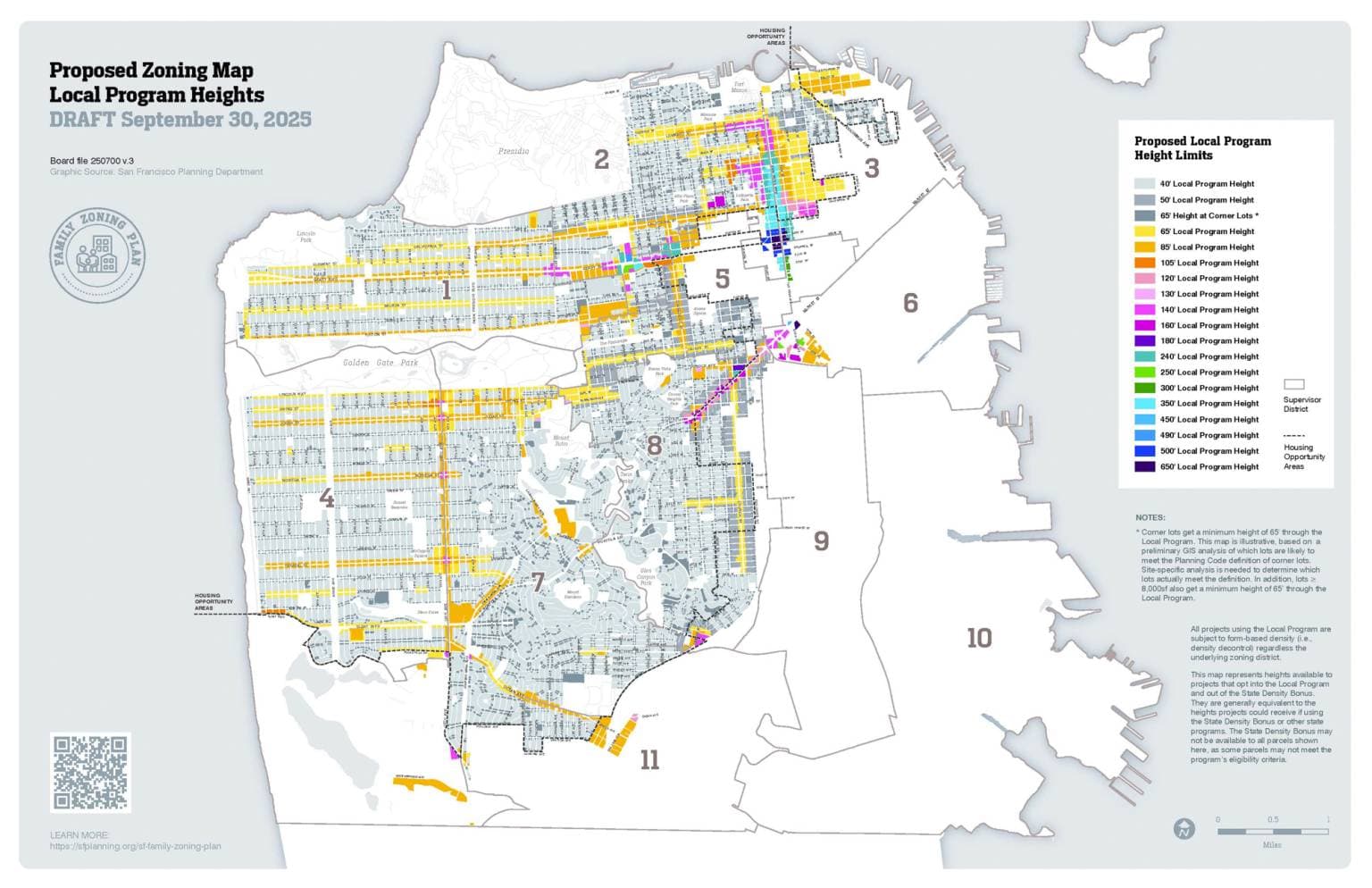
A coalition of neighborhood organizations and small-business advocates filed a lawsuit in San Francisco Superior Court on Jan. 9 seeking to block and undo Mayor Daniel Lurie’s recently adopted Family Zoning plan. The complaint contends the city failed to perform the environmental review required under the California Environmental Quality Act and instead relied improperly on a 2022 environmental addendum for a substantially different 2025 upzoning.
The suit argues the rezoning, which redesignates large swaths of the city to create capacity for thousands of homes aimed at meeting a state housing mandate, could displace renters, harm historic resources, produce new shadow, wind, and traffic impacts, and strain infrastructure. Plaintiffs say those risks merited a fresh CEQA analysis rather than reliance on prior paperwork from 2022.
Family Zoning was pitched as a rapid-response effort to satisfy state deadlines and avoid the so-called builder’s remedy or loss of state funding. City leaders and supporters framed the plan as necessary to create housing capacity quickly. In response to local concerns, the plan was amended to include provisions intended to limit demolition of rent-controlled units, but the lawsuit says those safeguards are insufficient and that the city never completed the deeper environmental review that would disclose and mitigate the full range of impacts.
The litigation adds a new layer to a polarized debate in San Francisco about how to reconcile urgent housing targets with tenant protections and neighborhood character. Critics from the coalition say the process undercut community input and rushed city decisions in the shadow of state-imposed timelines. Meanwhile, some pro-housing advocates are reportedly weighing separate legal action arguing the plan does not go far enough to unlock housing where it is most needed, leaving the city caught between competing legal and political pressures.
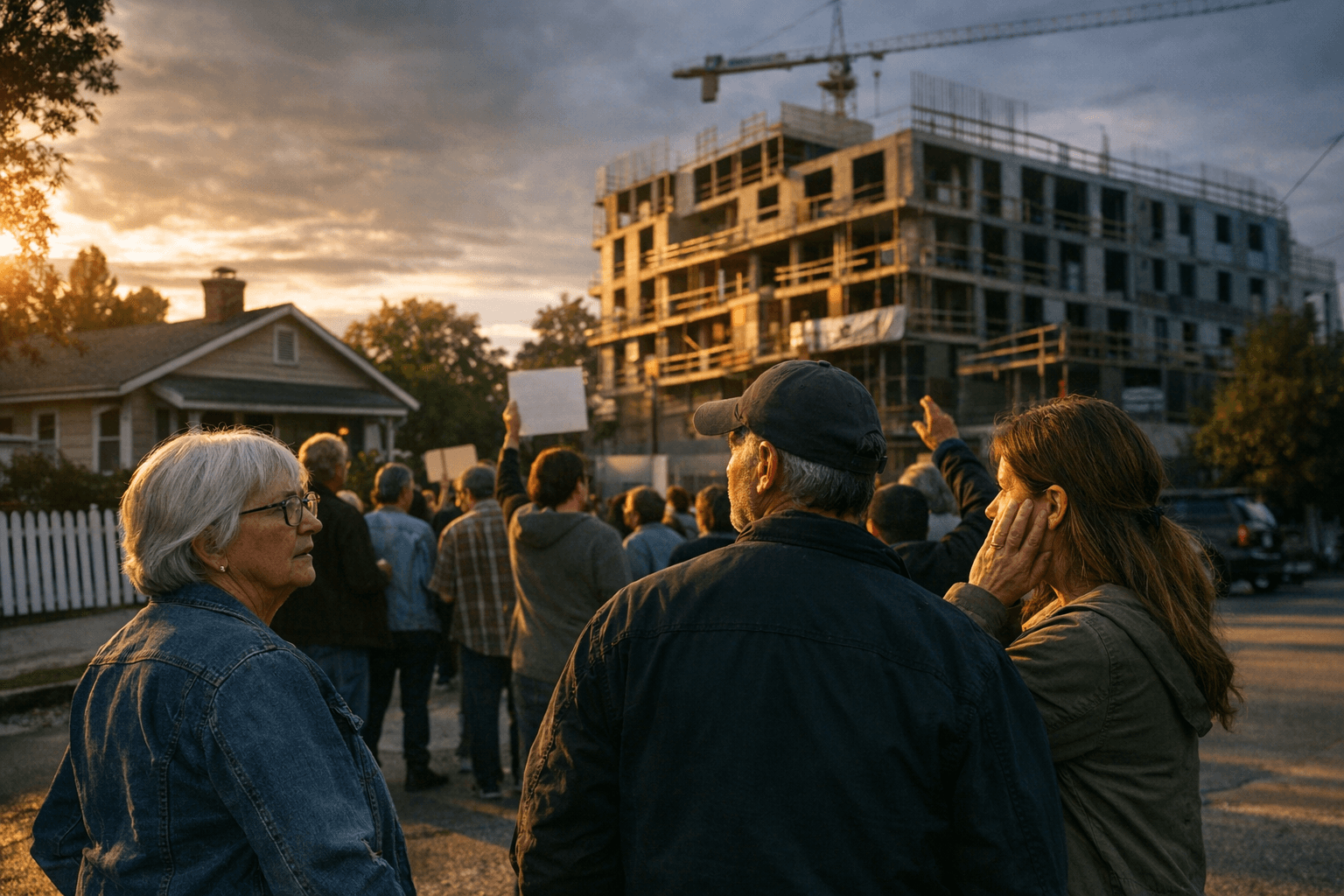
For locals, the case could have immediate consequences. If the court grants an injunction, implementation of the rezoning could be halted, delaying new permitting and construction timelines and preserving current zoning and protections for the short term. If the suit is denied, the city could move forward with upzoning that changes neighborhood densities, affects sunlight and wind patterns around midblocks, and increases demand on transit, utilities, and schools. Small businesses said they fear ripple effects from site redevelopment and changing customer patterns, while renters worry about eviction pressure where demolition and replacement are permitted.
The next step is judicial review in Superior Court, where plaintiffs seek remedies to void or block the Family Zoning ordinance. Regardless of the legal outcome, the dispute is likely to shape how future upzoning efforts balance statewide housing mandates with neighborhood-level environmental and displacement concerns.
Our two cents? Stay engaged at the Planning Department and Superior Court dockets, talk to tenant and small-business allies, and track public hearings closely—these fights play out in city rooms and courtrooms, and what happens will affect your block.
Sources:
Know something we missed? Have a correction or additional information?
Submit a Tip