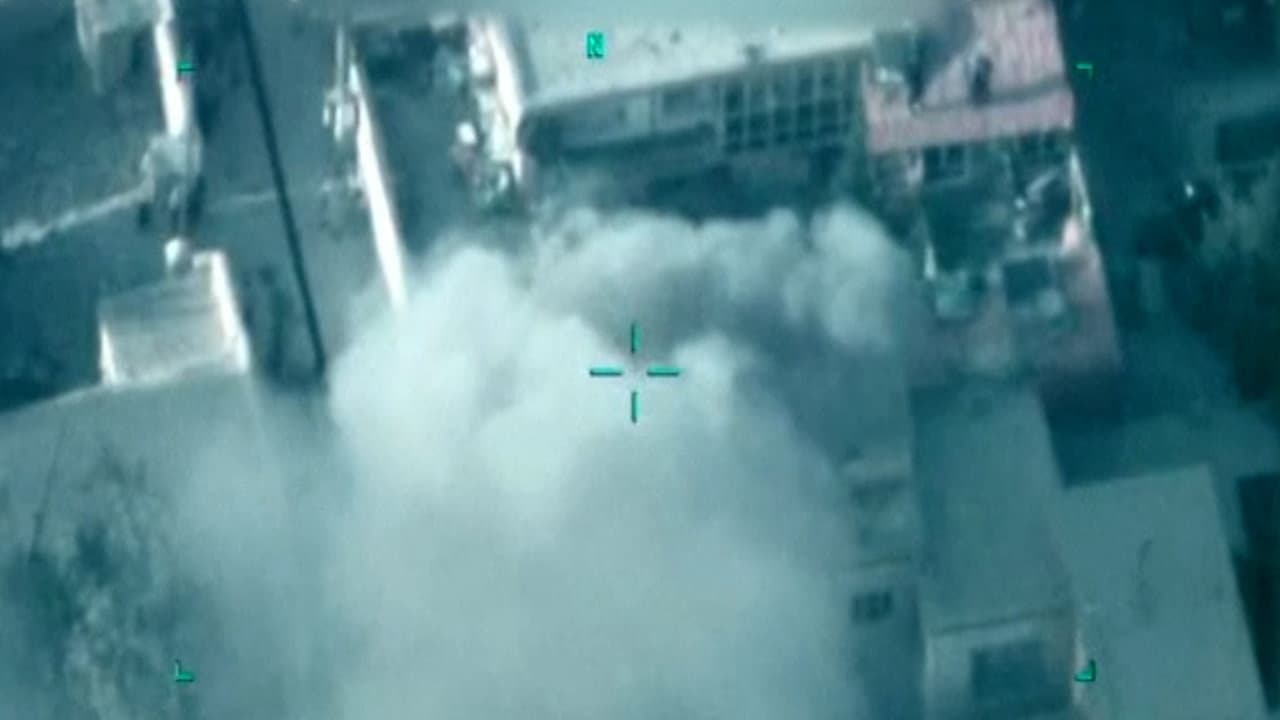
Netanyahu Names Military Insider Roman Gofman to Lead Mossad
Prime Minister Benjamin Netanyahu appointed Major General Roman Gofman as the next director of Mossad, a move that breaks with the agency's tradition of elevating career intelligence officers. The selection highlights the prime minister's preference for combat tested loyalty, and raises questions about the future culture of Israel's premier foreign intelligence service and its relations with allies.
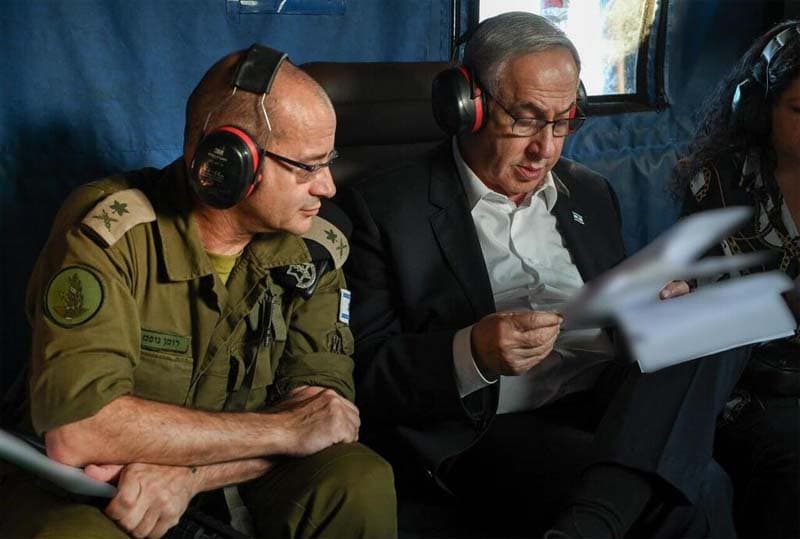
Prime Minister Benjamin Netanyahu announced on December 5 that Major General Roman Gofman will replace David Barnea as director of Mossad when Barnea's five year term ends in June 2026. Gofman, currently the prime minister's military secretary and a veteran of the armored corps, does not come from a traditional intelligence career path, a break with precedent that has provoked debate inside Israel's security community.
The Prime Minister's Office defended the appointment, pointing to Gofman's wartime service and the close coordination he maintained with Israel's security agencies during the recent Gaza conflict. That rationale resonated with a public and political constituency that has rewarded battlefield experience and personal loyalty in senior security posts. At the same time, the choice unsettled parts of the Israeli intelligence establishment that have long prized institutional expertise built through years inside Mossad or other intelligence organizations.
Analysts said the appointment signals Netanyahu's inclination to staff key security roles with figures who are both combat tested and politically aligned with him. They warned that elevating a military outsider to head the foreign intelligence service could reshape Mossad's operational culture toward more direct military style decision making and closer integration with the Israeli Defense Forces. Such a shift could alter Mossad's traditional emphasis on clandestine human intelligence and long range espionage, although the extent of change will depend on Gofman's management choices and the agency's internal resilience.
The naming also carries foreign policy implications. Mossad is a central node in Israel's cooperation with Western and regional intelligence services, and partners will be watching for any adjustments in priorities or operational practices. Close allies may need reassurance that established channels of cooperation and legal safeguards governing joint operations and information sharing remain intact. At the same time, some partners may see benefits in smoother military intelligence coordination if the new director fosters greater interoperability between services.
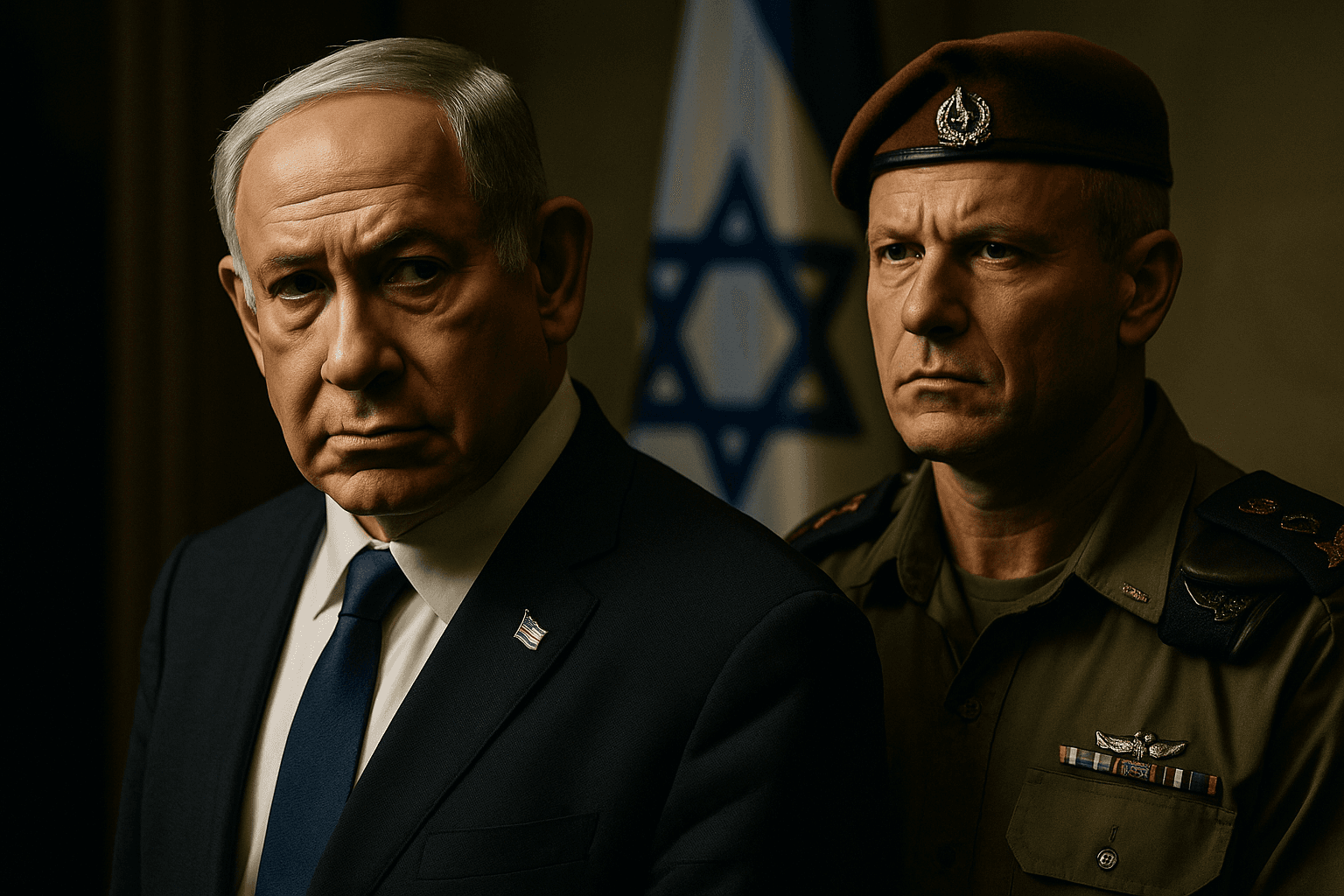
Domestically the move is likely to intensify ongoing debates about the politicization of national security institutions. Critics contend that placing political confidants in senior posts risks subordinating institutional expertise to loyalty and short term political aims. Supporters argue that battlefield experience and intimate knowledge of wartime command dynamics are valuable in an era when intelligence and military operations are tightly intertwined.
David Barnea will remain in office through June 2026, ensuring an orderly transition that provides time for Gofman to prepare for the role and for Mossad to adapt to new leadership. How he navigates the agency's global espionage portfolio, manages relations with veteran field officers, and balances covert operations with legal and diplomatic constraints will define his tenure. For a country confronting enduring threats from multiple fronts, the choice reflects a broader recalibration of how Israel's political leadership wants security agencies to function in wartime and peace.