New 76-page troubleshooting guide makes 3D printing fixes citable
a 76-page troubleshooting guide for common 3D printing failures was published with a DOI and OpenAlex entry, making it easier to cite and embed in workflows.
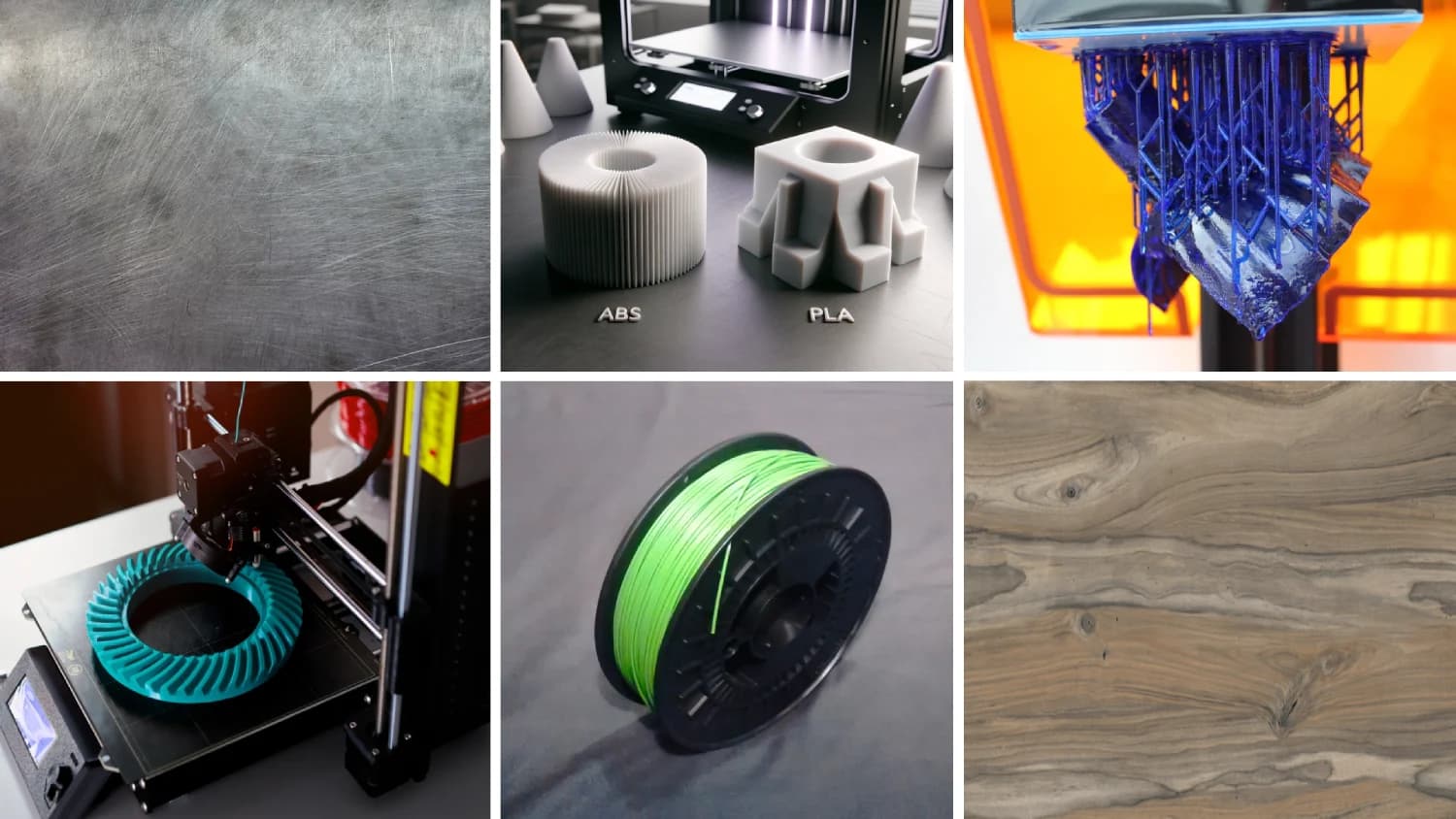
A 76-page troubleshooting playbook for additive manufacturing was published on January 7, 2026, and now carries a formal DOI and an OpenAlex entry, giving teams a stable, citable reference for diagnosing print failures. The guide covers FFF and FFF-style extrusion, resin processes such as SLA and DLP, powder-bed methods including SLS and MJF, and metal laser powder bed fusion (LPBF), mapping common symptoms to probable causes and corrective actions.
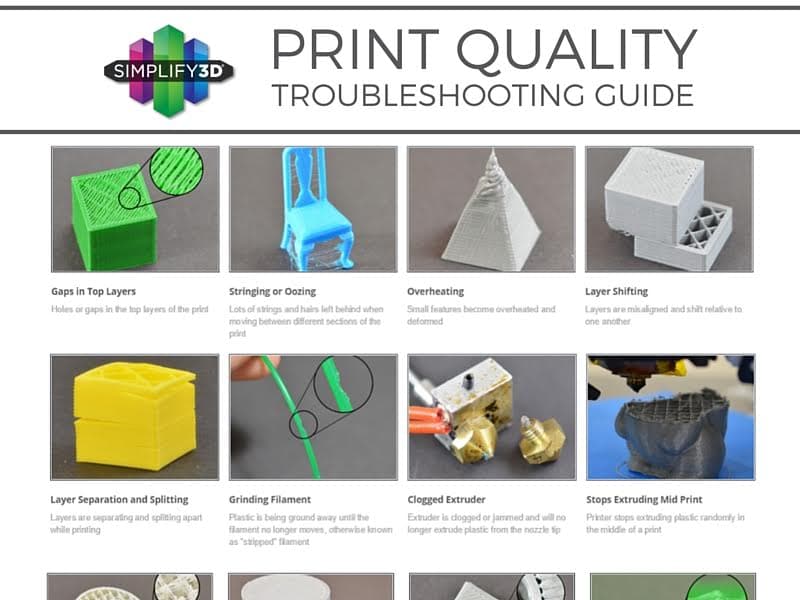
The document is organized around symptoms you actually chase on the bench: under-extrusion, poor first layer, delamination, curling, porosity and related defects. For each symptom the guide lists likely hardware, material, or process sources and recommended fixes that technicians can apply without reinventing the wheel. That structure makes the playbook useful for onboarding new techs, standard operating procedures, service-bureau quality control, and classroom labs where staff rotate frequently.
The DOI and OpenAlex entry increase stability and traceability for academic labs and operational teams that need to reference procedures in reports, SOPs, or grant documents. The guide was published publicly with download links hosted on Mendeley Data and a companion GitHub repository so teams can retrieve the PDF and check the repository for licensing and contribution options before reuse or redistribution.
The guide’s immediate value is its consolidation of common failure modes into an accessible, single reference that accelerates troubleshooting and reduces time spent chasing repeatable issues. That practical payoff is particularly strong for less-experienced users who benefit from a consistent decision path rather than scattered forum fixes. Service shops can embed the checklist-style recommendations into build logs and QC signoffs to raise first-pass yield.

There are limits. The published PDF lacks photos, interactive decision trees and extensive validation data that a living knowledge base could provide. Future work could convert the content into slicer-integrated checks, dashboard alerts, or automated diagnostic routines that pull printer telemetry and suggest corrective G-code or profile changes. For now, the static playbook functions as a standardized reference teams can adapt into their own checklists and training materials.
The repository route also means the content can evolve: pull requests, issue tracking and added imagery on GitHub would make the material more actionable at the bench. Verify the repository license before republishing or modifying the guide, and use the GitHub entry to contribute practical case examples from your printer farm.
The takeaway? Treat this as a foundation you can plug into SOPs and training. Download the PDF, check the license, tag common fixes to your printer profile, and add photos and telemetry as you go—small investments that save hours of tweaking and chasing the same nozzle gremlins.
Sources:
Know something we missed? Have a correction or additional information?
Submit a Tip