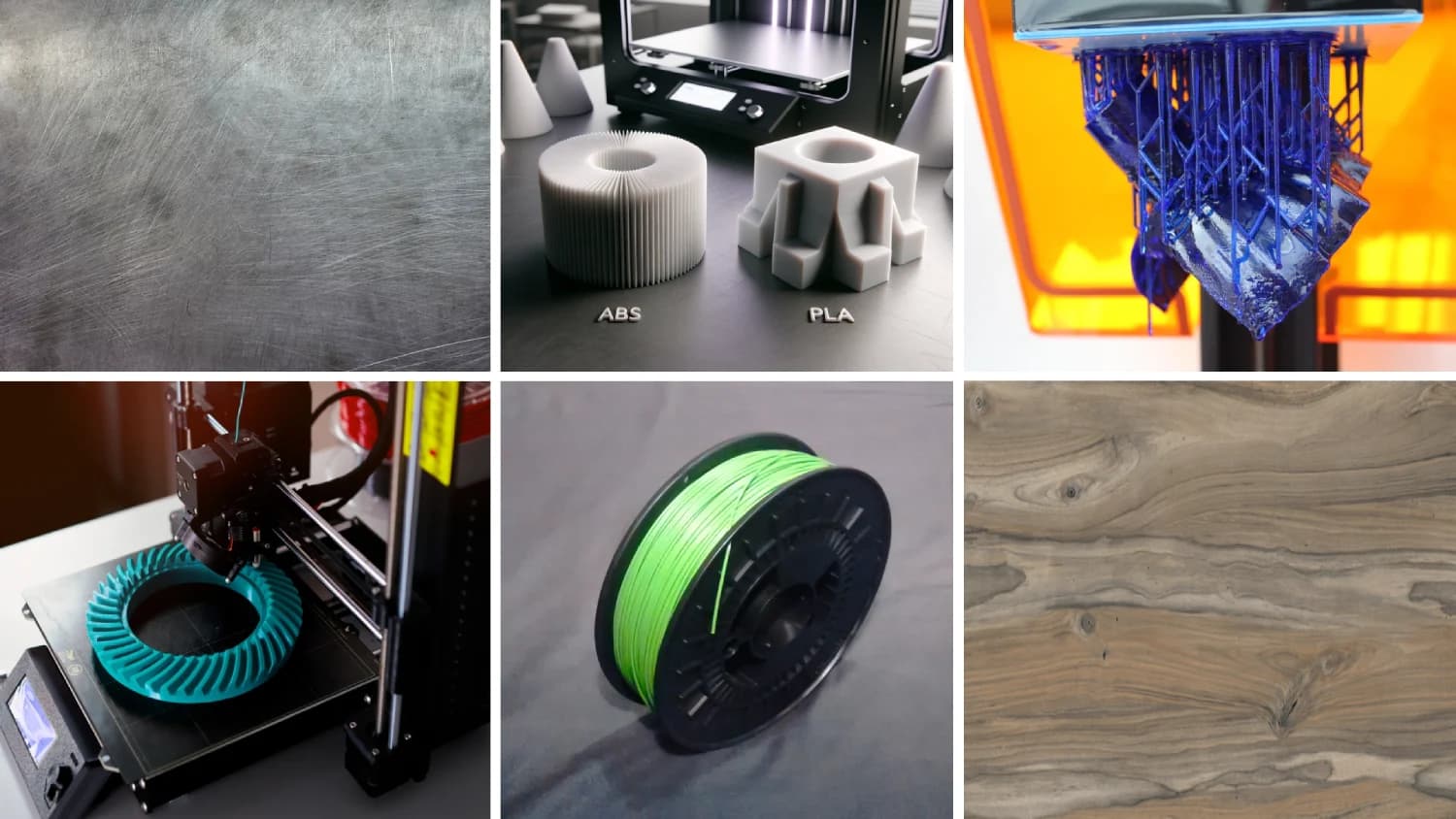
One-shot camera method aims to auto-tune high-speed FFF printing
Researchers proposed a single-image calibration that infers extrusion settings for high-speed FFF, promising to cut hours of tuning to minutes if community validation follows.
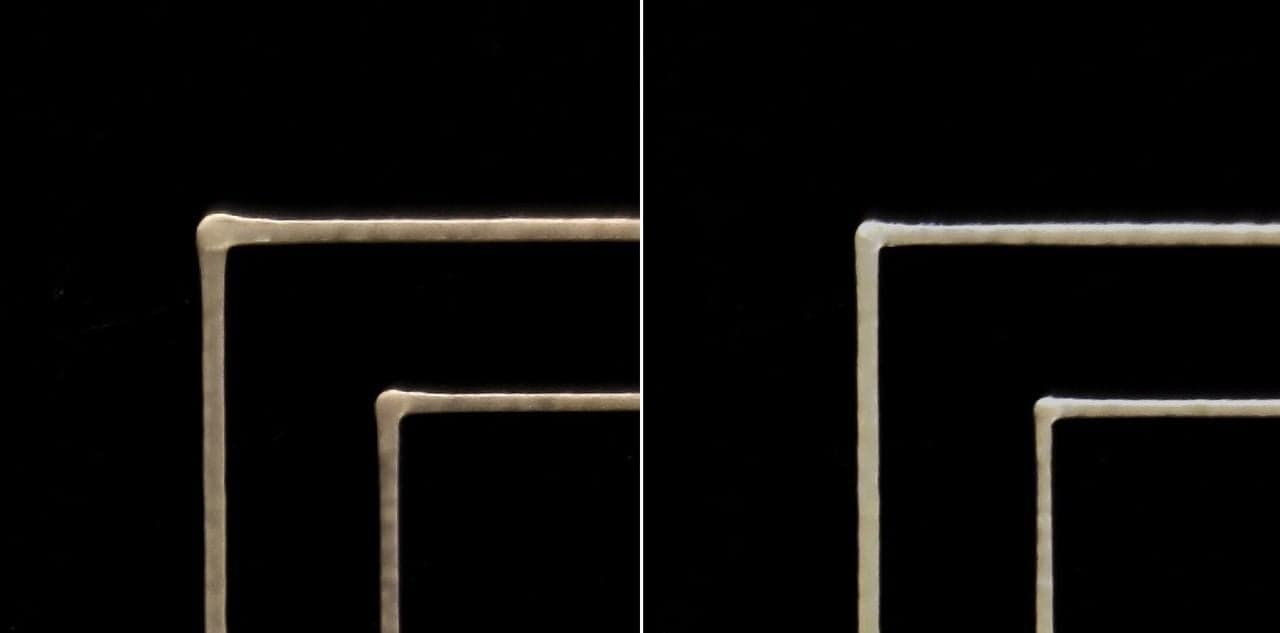
A new one-shot calibration method promises to replace long, iterative extrusion tuning with a single printed artifact and a camera image. The approach captures a data-rich photograph of a model that varies geometry and print speeds, then uses computer-vision analysis and an optimizer to infer flow multipliers, temperature setpoints, and pressure-advance coefficients that are intended to generalize to higher-speed toolpaths.
The method is designed specifically for high-throughput fused filament fabrication (FFF) where traditional calibration towers and multiple sweep prints are time-consuming. Instead of printing dozens of test pieces, a hobbyist or lab would print one artifact that includes sections with different track widths, perimeter fidelity challenges, and porous features. A camera image of that artifact is analyzed for track width, edge fidelity, and porosity, and the software recommends tuned extrusion parameters for faster printing. Advocates say the workflow could shrink hours-long calibration sessions to a matter of minutes.
That speed-up matters for a range of users. Service bureaus and university labs that reprofile filament lots frequently could shave significant time off setup. Enthusiasts pushing throughput on tuned systems—from Bambu Lab and Prusa machines to high-end Creality builds and Klipper rigs—could get reliable high-speed profiles without iterative trial and error. For community workshops and small businesses, the promise is consistent prints at higher speeds with less manual babysitting.

Practical challenges remain. Robust computer-vision on a single image depends on controlled lighting and reliable camera calibration. Glossy or translucent filaments, fiber-filled materials, and differing nozzle sizes can obscure visual cues such as edge contrast and porosity, complicating automated measurement. The public abstract for the paper did not include comprehensive accuracy or failure-rate metrics, so community testing is required to quantify how often the method finds safe, effective settings versus when it needs human oversight. Integration with slicers and firmware workflows will determine whether recommended parameters can be applied automatically to real toolpaths or require manual transfer.
For now, this is a promising automation direction rather than a finished turnkey product. Expect code, datasets, and community validation tests to appear next, and be ready to compare results across filaments and nozzle sizes. Our two cents? Start by trying the method with opaque, well-understood filaments like PLA or PETG, document lighting and camera settings, and share findings back to the community. If it works as advertised, one-shot calibration could become a core speed hack in the 3D printing toolbox—cutting calibration grief and letting you spend more time printing.
Sources:
Know something we missed? Have a correction or additional information?
Submit a Tip