Qatar Says Gaza Talks Reach Critical Moment, Ceasefire Still Elusive
Qatar warned on December 6 that negotiations to consolidate a U.S. backed truce in Gaza were at a critical juncture, and that the current pause cannot be treated as a full ceasefire until Israeli forces withdraw and civilians can move freely. The outcome will shape humanitarian access, regional stability, and the legal status of any interim arrangements.
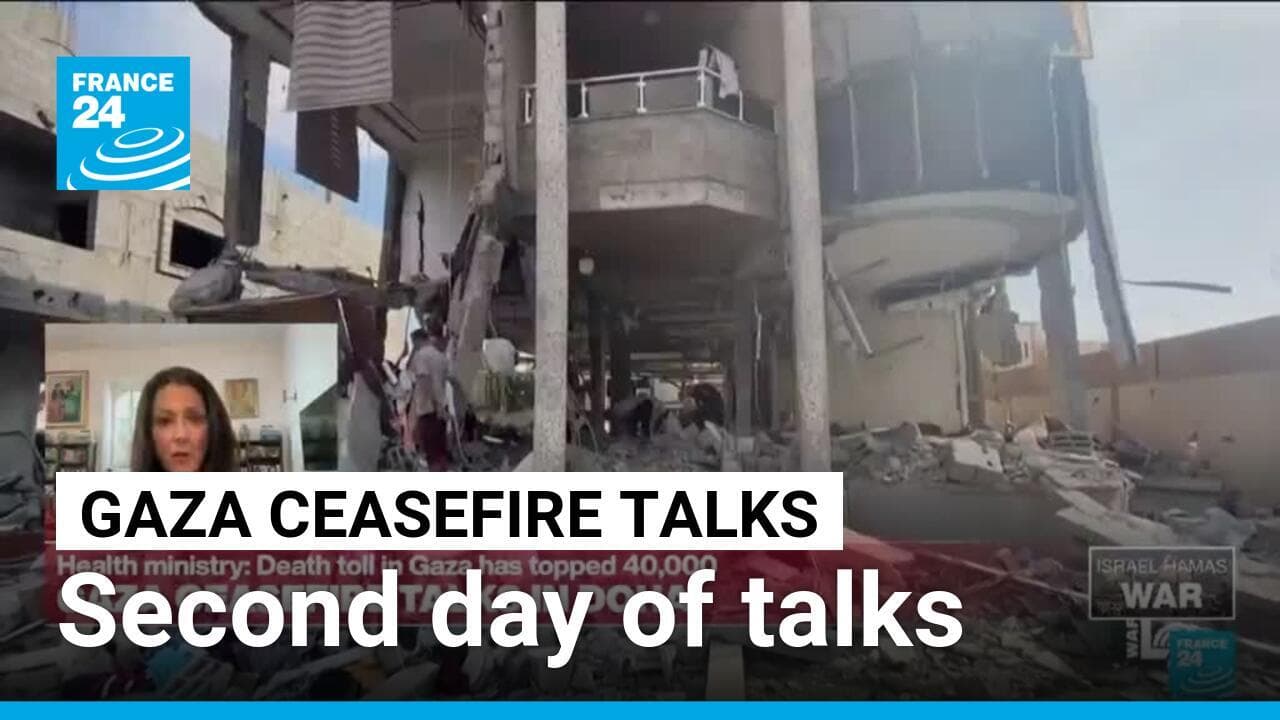
Qatari Prime Minister Sheikh Mohammed bin Abdulrahman al Thani told mediators and diplomats on December 6 that efforts to turn a fragile U.S. backed pause in fighting into a durable ceasefire had reached a pivotal stage. He cautioned that the stop in hostilities could not be considered complete while Israeli forces remained in Gaza and movement into and out of the territory remained restricted, framing withdrawal and civilian mobility as litmus tests for any lasting cessation of violence.
The U.S. plan under discussion foresees several controversial elements aimed at stabilizing Gaza after months of intense conflict. Central to the proposal are an interim technocratic administration to run day to day civilian affairs and a layered international security architecture intended to prevent a return to large scale fighting. These components have been presented as ways to ensure order, facilitate aid deliveries, and create space for political negotiations, but they have also provoked deep disagreements about sovereignty, legitimacy and enforcement.
One persistent obstacle in the talks has been the composition and mandate of the international force envisaged to provide security. Disputes over which countries would contribute troops or police, what rules of engagement they would operate under, how long they would remain, and who would oversee them have stalled progress. These are not merely technical questions, they touch on regional sensitivities about foreign military presence, the balance of power between local and international actors, and the legal parameters of intervention under international law.
For Palestinians trapped in Gaza the stakes are immediate. Humanitarian agencies have repeatedly warned that only unhindered movement of people and goods can prevent a deeper calamity. For Israel the priority has been security guarantees that prevent the rearming of militant groups inside Gaza. International law scholars and diplomats note that the legal character of any pause depends on concrete steps such as withdrawal of armed forces and unimpeded humanitarian corridors, not solely on declarations of an end to hostilities.
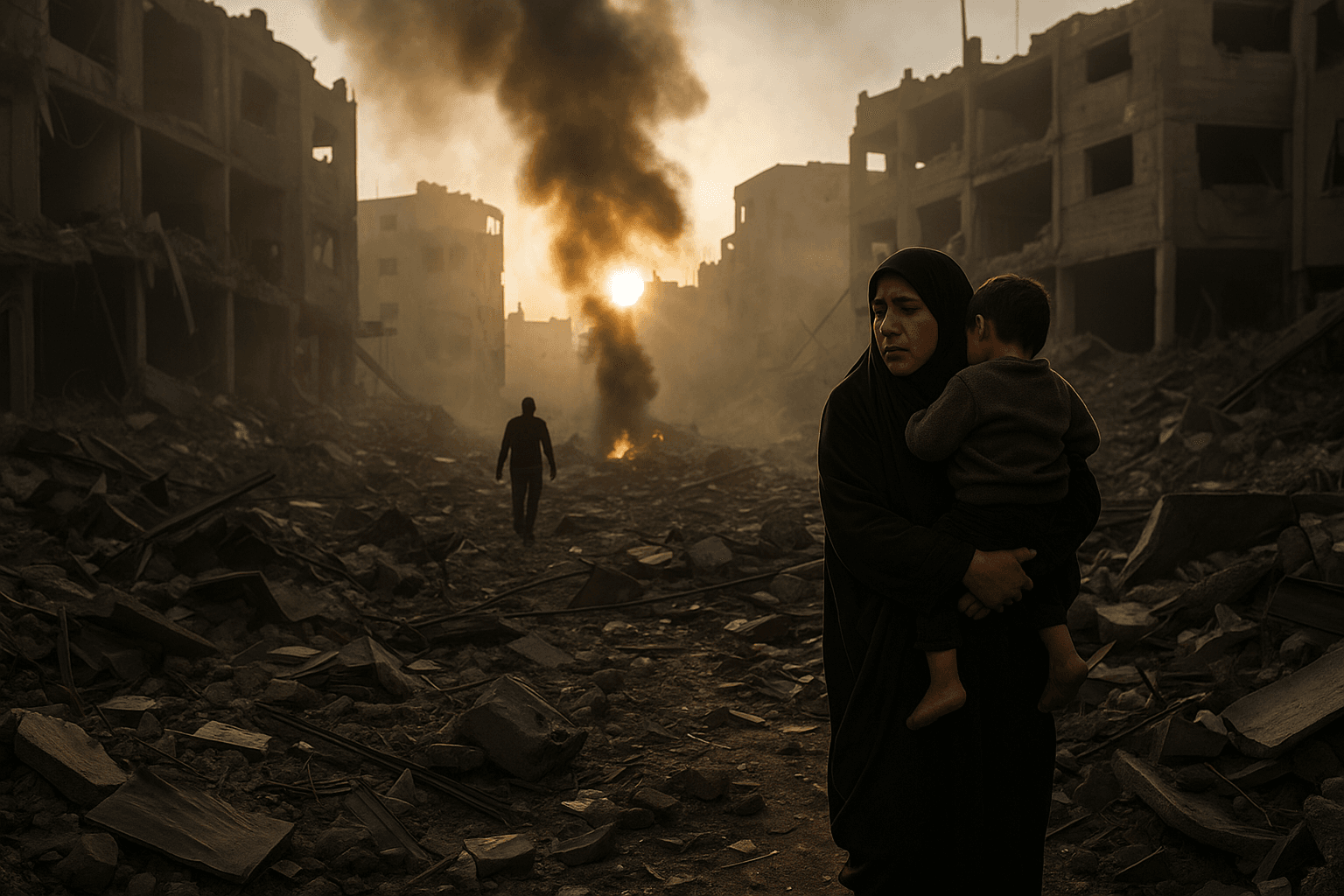
Qatar has played a central diplomatic role throughout the negotiations, leveraging relations across the region and with Western capitals to shuttle proposals between parties. Its assessment that talks are at a critical moment underscores both the fragility and the urgency of the pause. If negotiators can agree on an enforceable security arrangement and a credible interim administration, the truce could widen into a more sustainable respite. If they cannot, the risk of renewed violence and a widening regional crisis will persist.
The international community faces a narrow window to convert diplomatic momentum into durable mechanisms that address immediate humanitarian needs and longer term governance questions. How those mechanisms are structured will determine whether the current pause becomes the basis for a stable transition or another ephemeral lull in a cycle of conflict.