Tinubu asks France for help, Macron pledges stronger security partnership
Nigeria has asked France for increased assistance as attacks escalate across the north, French President Emmanuel Macron said, signaling renewed international engagement in a worsening security crisis. The move matters for investors and regional stability because persistent violence is raising fiscal and humanitarian costs in Africa's most populous country.
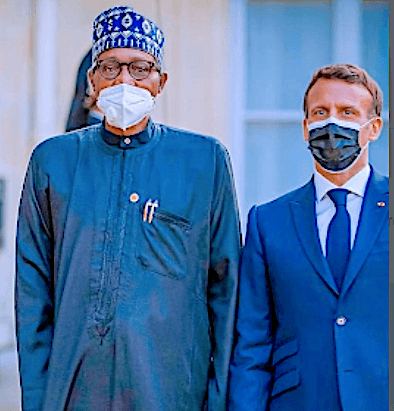
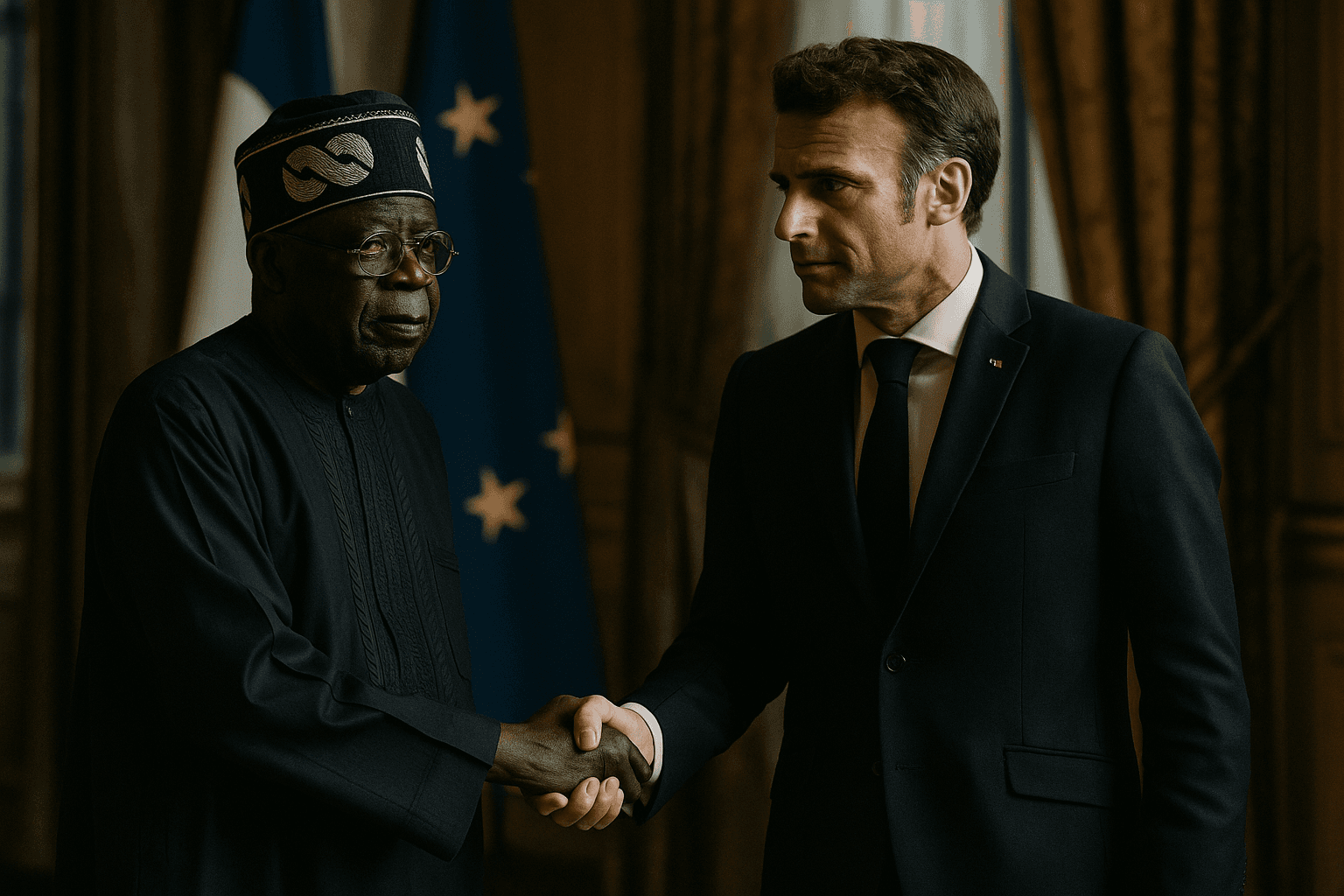
Nigerian President Bola Tinubu has requested greater French support to confront a surge in violence across northern Nigeria, French President Emmanuel Macron said on Sunday following a phone call with his counterpart. Macron said he conveyed France's support as Nigeria grapples with multiple security challenges, "particularly the terrorist threat in the North." He added, "At his request, we will strengthen our partnership with the authorities and our support for the affected populations. We call on all our partners to step up their engagement," in a post on X.
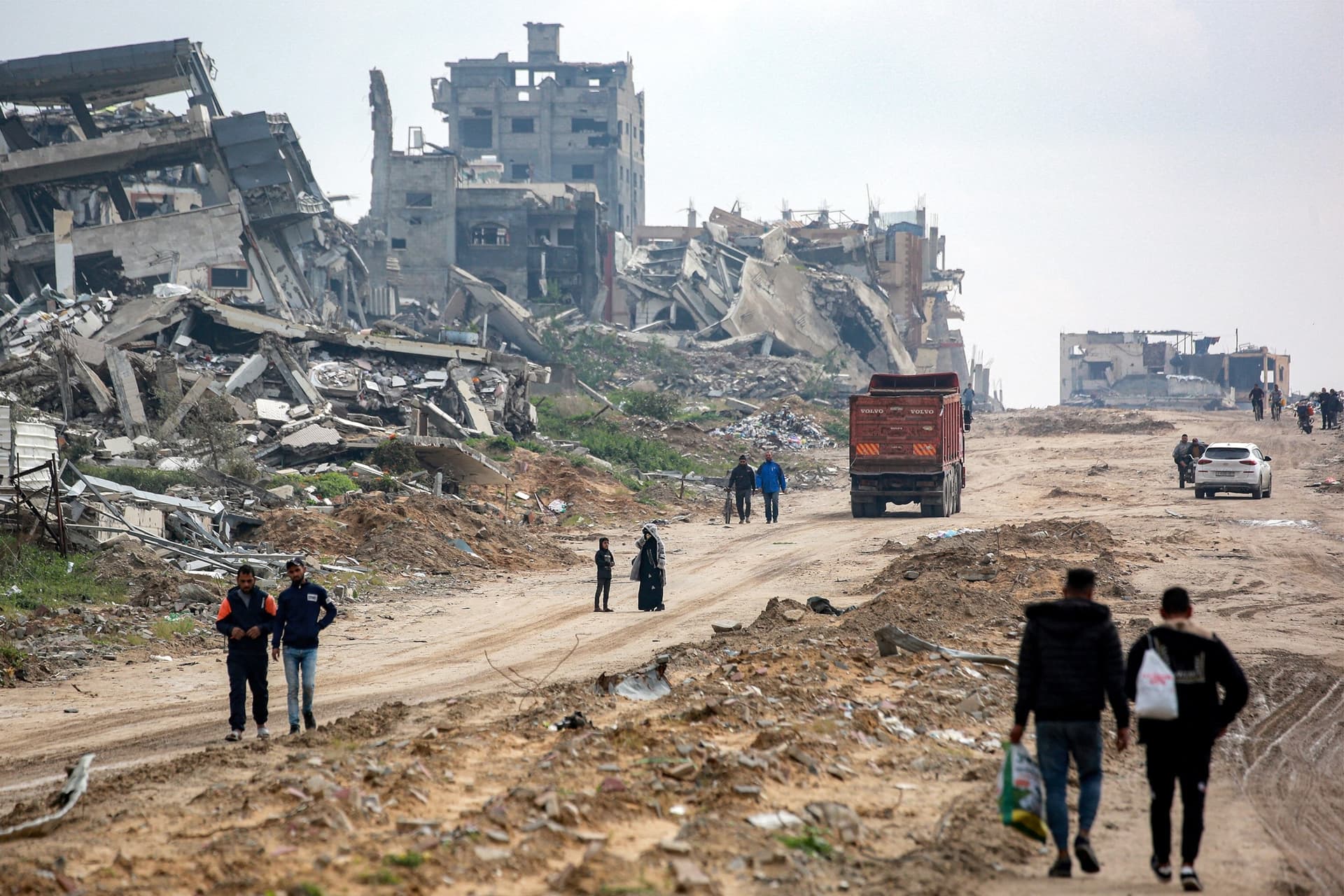
The appeal comes after an uptick in attacks over the past month, including mass kidnappings from schools and an assault on a church, officials have said. The violence spans several distinct threats, including a long running Islamist insurgency in the northeast, armed kidnapping gangs in the northwest and deadly clashes between largely Muslim cattle herders and mostly Christian farmers in the central region. The scope of the violence is stretching Nigeria's security forces and deepening humanitarian pressures on communities in affected areas.
France has already scaled back troop deployments across West and Central Africa in recent years and is now focusing on training, intelligence sharing and responding to formal requests for assistance, Macron said. That posture suggests any new French role in Nigeria will center on capacity building rather than large scale combat operations. France has previously supported regional efforts to curtail armed groups, while the United States and Britain have provided intelligence, arms sales and training to Nigerian forces in the past.
Washington has recently pressured Abuja to do more to protect religious minorities, with officials saying they are considering measures such as sanctions and Pentagon engagement on counterterrorism to compel better protection for Christian communities. The Nigerian government has said it welcomes help to fight insecurity so long as its sovereignty is respected.
The request for French backing underscores both the scale of Nigeria's security challenge and its potential economic consequences. Nigeria is Africa's most populous country with more than 200 million people and the continent's largest economy, so sustained instability can amplify fiscal strains, deter foreign direct investment and complicate oil sector operations that are key to government revenue and the current account. Markets tend to react to heightened geopolitical risk through currency pressure and higher sovereign borrowing costs, while rising security spending can crowd out development priorities.
For policymakers the dilemma is familiar. External support that focuses on intelligence exchange and training can yield faster improvements in operational capacity, but long term stability will hinge on governance reforms, local conflict resolution and investment in social services in the worst affected states. Macron's call for broader partner engagement signals a diplomatic push to mobilize resources, but it also highlights a regional pattern where external actors must balance interventionist instincts with respect for state sovereignty and the limits imposed by withdrawal from on the ground troop presence.
Absent a rapid reversal in violence, analysts say Nigeria could face a protracted cycle of humanitarian need and economic damage that would require sustained international cooperation and a strategic shift inside Abuja toward addressing the root causes of communal conflict.