Restored American Freedom Train returns to B&O Railroad Museum
The restored American Freedom Train locomotive is now on display at the B&O Railroad Museum, anchoring a year of programs tied to upcoming national anniversaries.
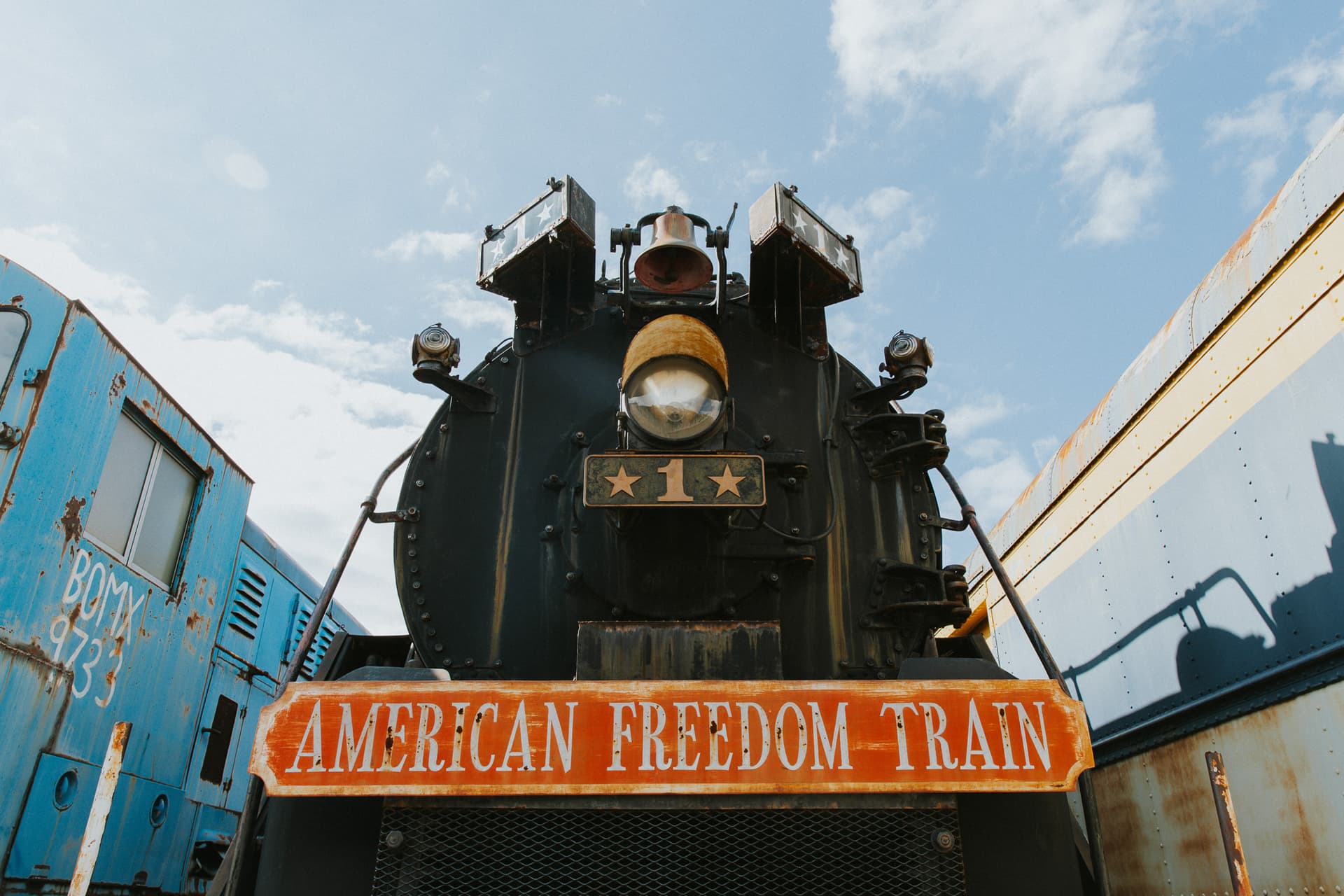
A nationally significant American Freedom Train locomotive, a hallmark exhibit from the bicentennial era, has been restored and is now prominently displayed at the B&O Railroad Museum in Baltimore. Museum officials said the restoration included a historically accurate fresh coat of paint and repairs to elements such as the headlights, with staff taking care to preserve the train’s original design.
The locomotive will anchor a new exhibit and a year of public programs leading up to America’s 250th anniversary and the 200th anniversary of American railroads. Museum leaders framed the project as both a preservation achievement and a platform for yearlong community engagement that connects local audiences with national history.
The restoration brings cultural and economic implications for Baltimore. The B&O Railroad Museum is a major visitor draw, and the refreshed exhibit is likely to increase foot traffic to the museum and nearby businesses. For residents, especially students and families, the locomotive presents a tangible way to explore transportation history and the central role railroads played in shaping modern America.
Beyond tourism and education, the display raises questions about access and equity. Museums can be sites of community healing and civic learning, but only when programming and admissions are accessible to residents across income levels and neighborhoods. Baltimoreans already face stark health and economic disparities, so the museum’s year of programming offers an opportunity to prioritize outreach to underserved communities, integrate sliding-scale or free admission days, and partner with schools and local organizations to bring the exhibit directly to neighborhoods.
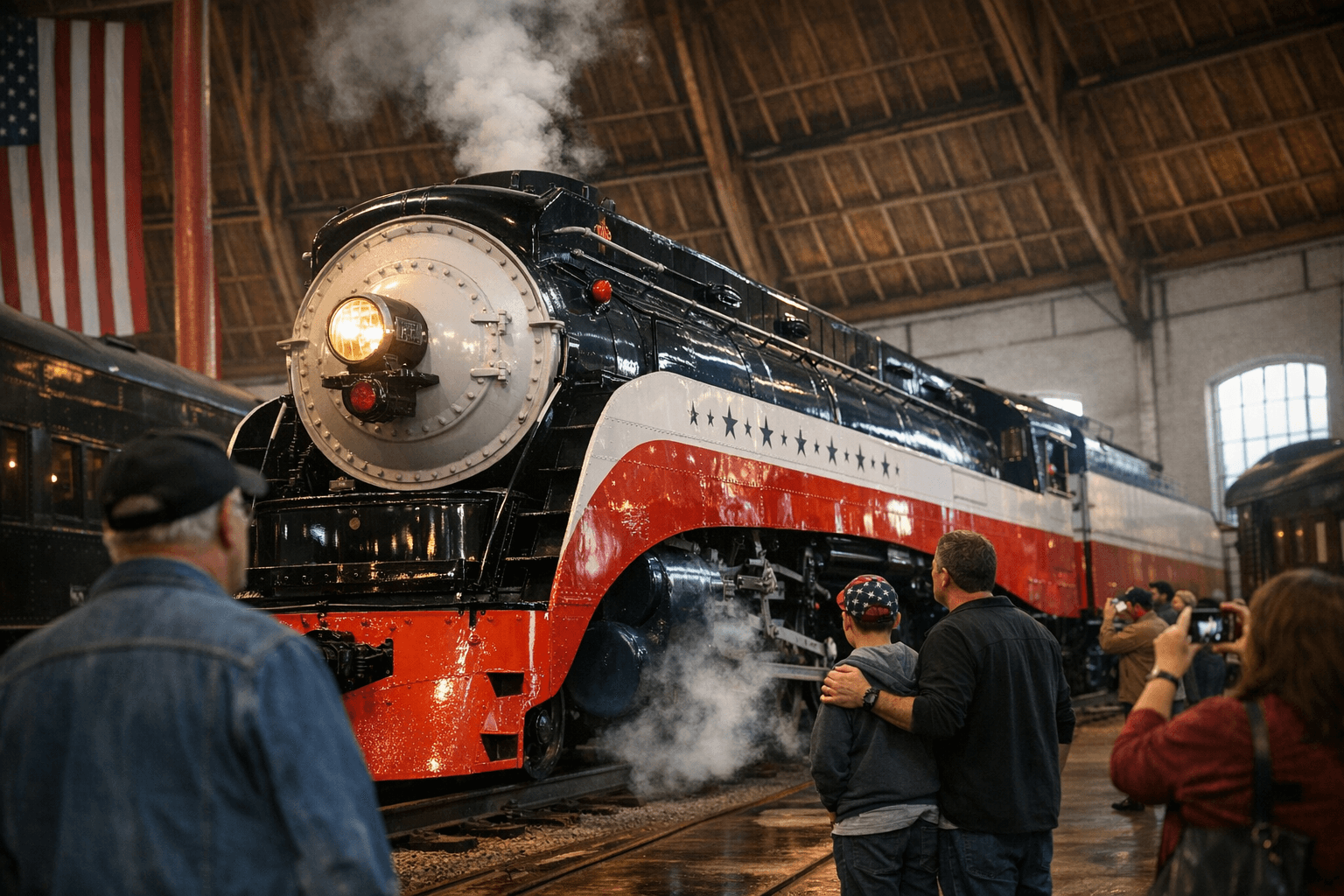
Public health considerations also matter as the exhibit ramps up. Cultural gatherings have benefits for mental health, social cohesion, and lifelong learning, but they can also concentrate visitors in indoor spaces. Ensuring good ventilation, accessible facilities, and clear information about safety measures will help make the experience welcoming for seniors, families, and people with chronic health conditions.
Historically accurate preservation work like this can prompt deeper conversations about the railroads’ mixed legacy: engines of economic growth and acts that have also displaced communities and shaped labor inequities. The exhibit’s programming year is a chance for the museum to foreground inclusive narratives and to create space for Baltimore voices to connect local history with national milestones.
The takeaway? Treat this as more than a photo op. Visit the museum, ask about programming and accessibility, and push for community-centered events that make this restored icon a resource for Baltimore residents as much as for out-of-town visitors. Our two cents? Go early, bring a friend, and hold institutions accountable to making history open to everyone.
Sources:
Know something we missed? Have a correction or additional information?
Submit a Tip