San Francisco Supervisors Consider Expanding Tenderloin Curfew to SoMa
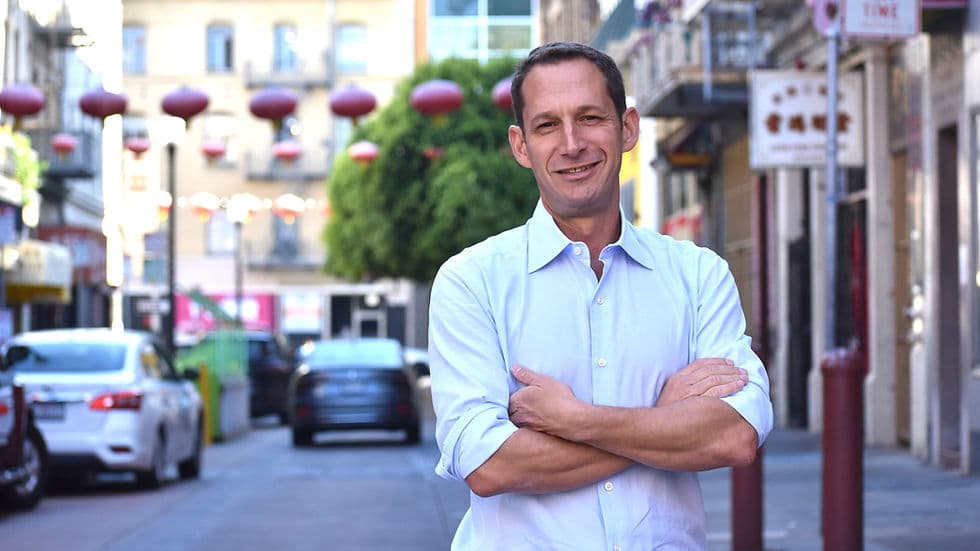
San Francisco supervisors moved on Jan. 6 to expand a retail curfew that closes many late-night corner stores from midnight to 5 a.m. in the Tenderloin into parts of SoMa, including areas near the Moscone Center and Civic Center BART. The proposal, backed by Supervisor Matt Dorsey and co-sponsored by Supervisor Bilal Mahmood, would extend the program for 18 months and authorize fines up to $1,000, raising questions about public safety gains, business impacts, and enforcement.

Supervisors introduced an ordinance on Jan. 6 that would broaden a retail curfew pilot originating in the Tenderloin to select blocks of SoMa, drawing clear lines around the Moscone Center and Civic Center BART station while carving out bars, restaurants, City Hall, and Union Square. The move follows a pilot in the Tenderloin that required many corner stores to close between midnight and 5 a.m.
City SFPD data cited by proponents showed a 14 percent drop in violent and drug incidents during curfew hours within the Tenderloin pilot area. Supporters, including the ordinance sponsor Supervisor Matt Dorsey and co-sponsor Supervisor Bilal Mahmood, say the curfew discourages late-night gatherings that can attract drug activity and reduce street-level disorder during overnight hours. The proposed expansion would continue the curfew program for 18 months if the Board of Supervisors approves it and would allow fines up to $1,000 for violations.
The proposal raises immediate questions about local economic impact. Many small, often family-run corner stores rely on late-night sales for a portion of their revenue. Merchants in affected SoMa blocks have expressed frustration at being asked to sacrifice operating hours for problems they say they did not create. Business owners warn that lost hours could compound financial strain for operators already facing high rents and operating costs.
Residents and community advocates are divided over the policy trade-offs. Some neighbors welcome measures they see as improving safety in corridors near the Civic Center and convention district, particularly during overnight hours when foot traffic is light and calls for police responses can concentrate. Others caution that restricting storefront hours risks displacing activity rather than eliminating it, pushing gatherings into adjacent neighborhoods or unregulated spaces and creating enforcement challenges.
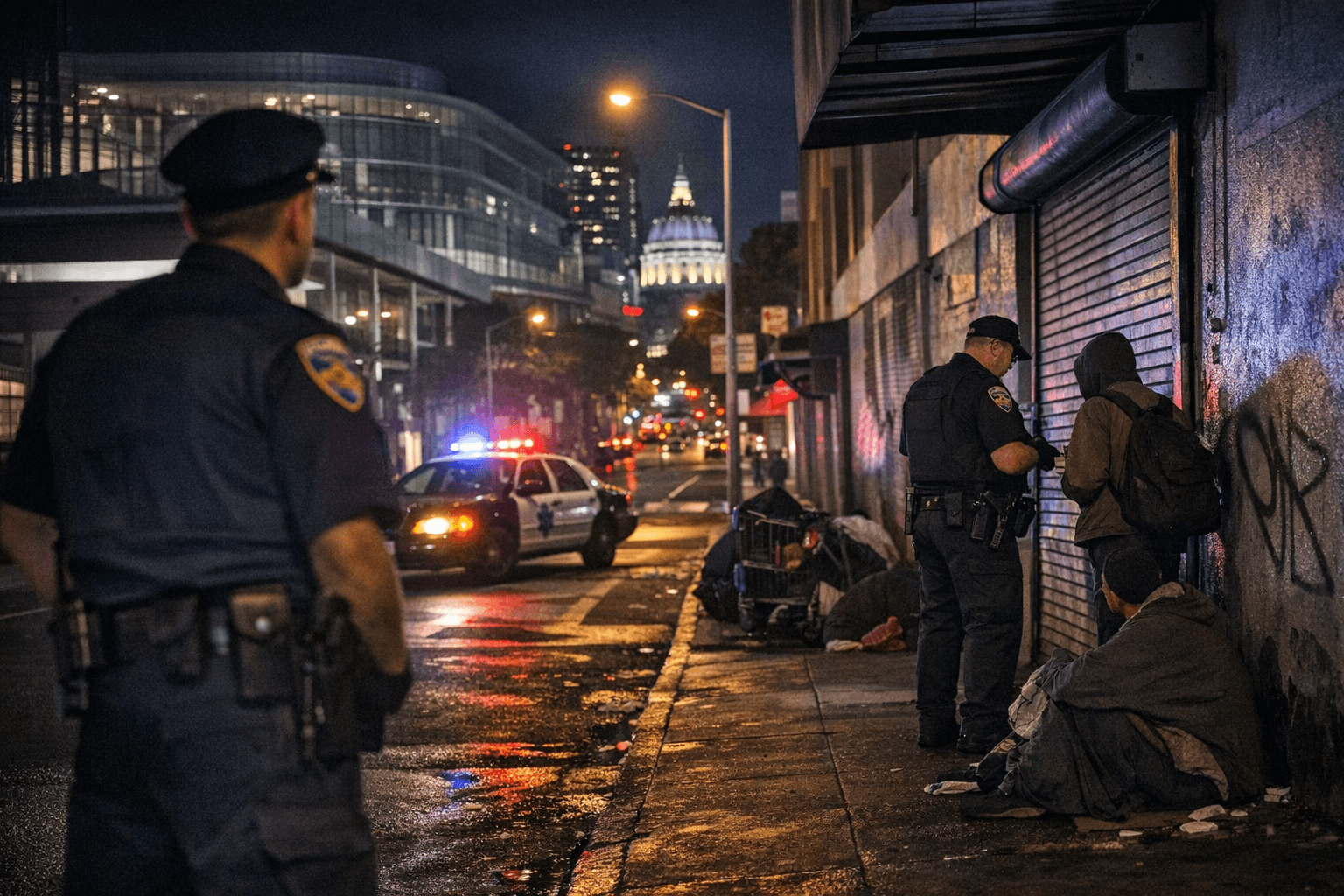
Institutionally, the ordinance puts enforcement discretion into the hands of civil regulators and law enforcement, and it creates a revenue and compliance pathway through fines. That raises questions about consistency in application and potential impacts on equity, including which merchants are more likely to face penalties and how enforcement resources will be allocated.
As the Board of Supervisors debates the ordinance, city officials and neighborhood stakeholders will need to weigh measured public safety gains against economic harm to small businesses and the possibility of geographic displacement of late-night activity. The measure’s 18-month duration would allow policymakers to monitor outcomes, but community groups and merchants will be watching closely for data, enforcement practices, and any complementary investments in services that address the underlying causes of late-night disorder.
Sources:
Know something we missed? Have a correction or additional information?
Submit a Tip