San Francisco supervisors press for public control after outage
Residents learn what supervisors proposed after the December outage and the city's next steps to pursue public control, inspections, and accountability from PG&E.
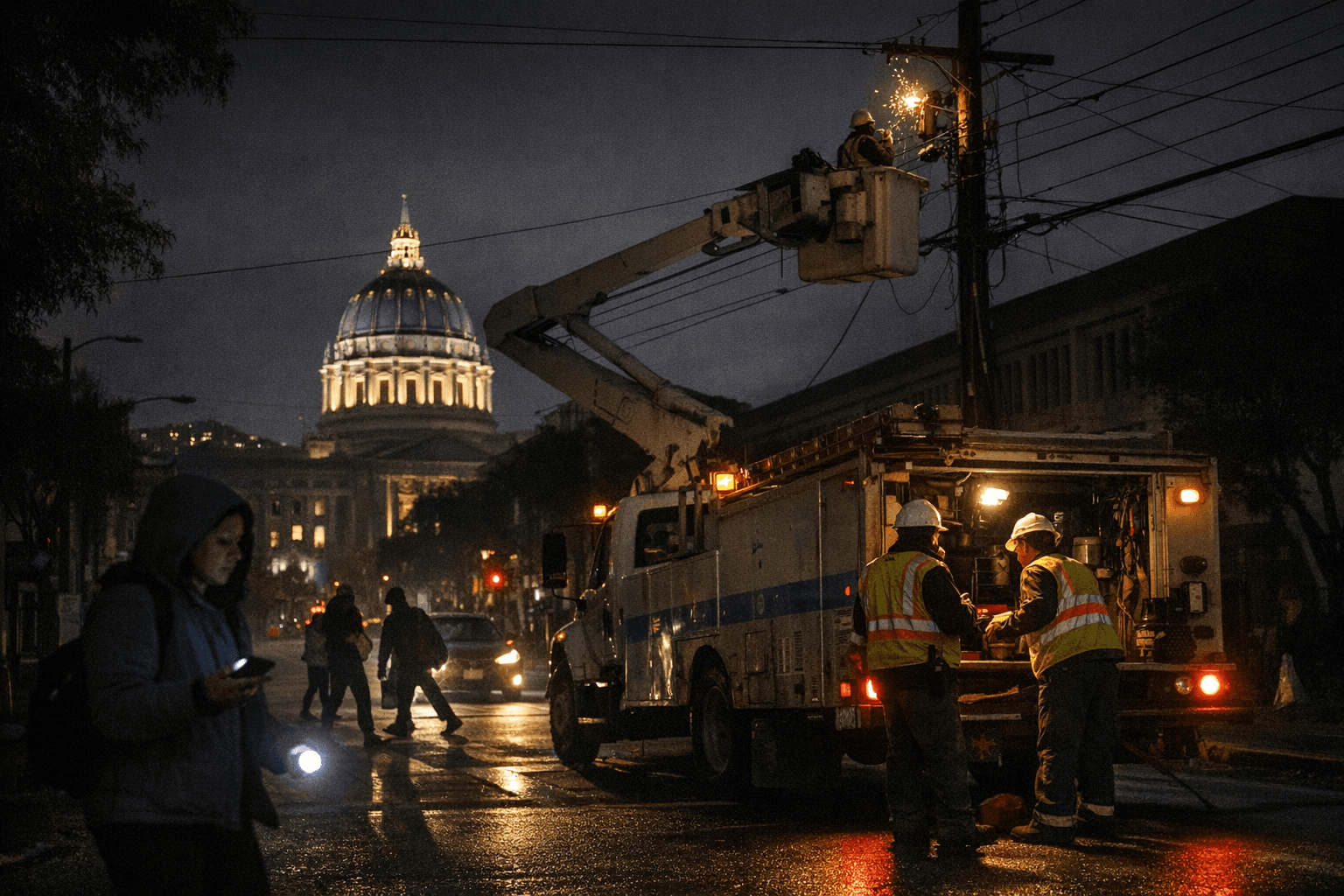
1. December outage and scale of impact The December outage left roughly 130,000 San Francisco customers without power, a blackout that disrupted homes, small businesses, transit nodes and daily life across the city.
Beyond immediate inconveniences, the event exposed fault lines in reliability and emergency response that matter to renters, merchants and community institutions that rely on continuous power. For neighborhoods already facing high costs of living, repeated service failures raise acute concerns about safety, food security and economic disruptions.
2. Board of Supervisors discussion on Jan.
6–7 During the Jan. 6–7 Board of Supervisors discussion multiple supervisors sharply criticized PG&E for the outage and pushed for stronger oversight. The meeting made clear that the board views this incident as more than operational mishap; it’s a political moment to press for accountability and policy change. For residents, the hearing signals that their elected officials are treating reliability as a citywide crisis rather than an isolated utility issue.
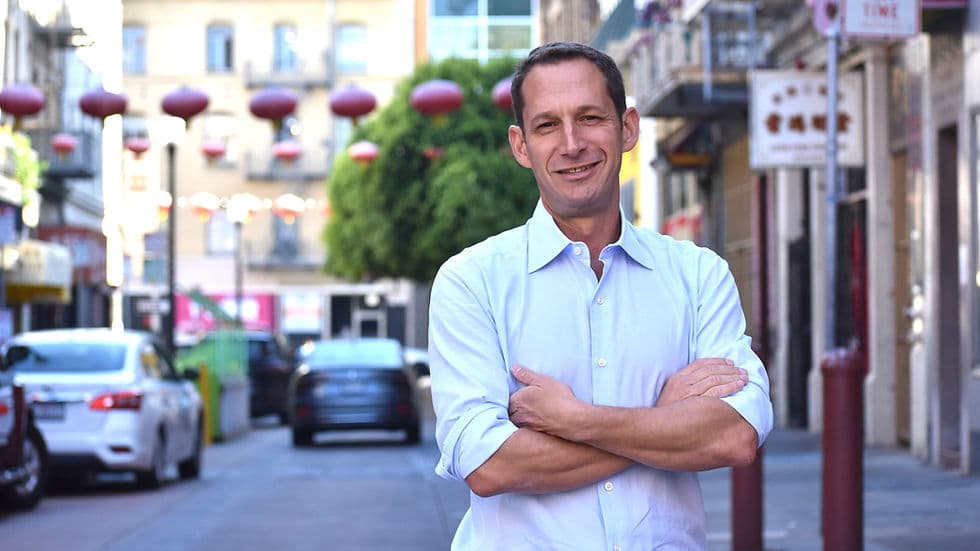
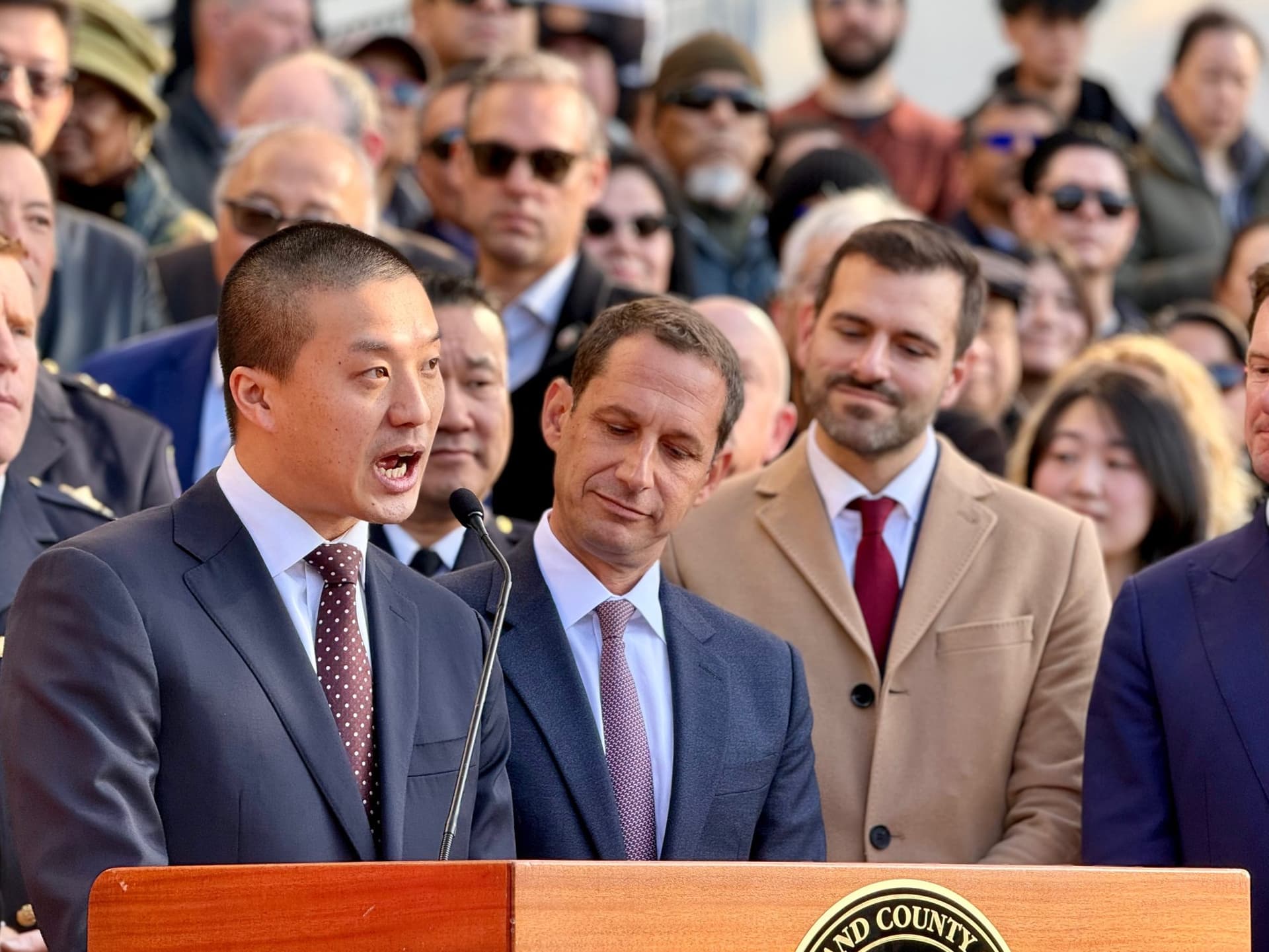
3. Sunset District Supervisor Alan Wong’s demands Sunset District Supervisor Alan Wong demanded a formal hearing to dig into causes and remedies and directly asked what it would take for the city to acquire PG&E’s local grid.
His questions fast-forward the municipalization debate from theory to actionable inquiry, forcing staff and stakeholders to outline legal and financial steps. That matters to neighbors because acquiring the grid could shift decisions about rates, maintenance and resiliency from investor priorities to local governance.
4. Supervisor Connie Chan’s resolution reaffirming pursuit of assets District 1 Supervisor Connie Chan introduced a resolution reaffirming the city’s pursuit of acquiring PG&E assets, a move designed to keep municipalization on the table.
Reaffirmation is a political signal to ratepayers and regulators that San Francisco intends to continue exploring public ownership as a viable option. For community groups advocating for local control, the resolution sustains momentum and ensures the city continues studying feasibility, timelines and public benefits.
5. Connie Chan’s resolution urging state to withhold safety certificates Chan’s second resolution urges the state to withhold PG&E safety certificates until infrastructure inspections are completed, effectively tying operational legitimacy to completed safety work.
If the state acted on such a request, it would create a leverage point to compel thorough, timely inspections before full certification resumes. For residents, this approach prioritizes safety verification and could speed repairs or upgrades needed to prevent repeat outages.
6. Supervisors’ critique of investor-owned utility incentives Several supervisors attributed problems to the incentive structure of investor-owned utilities, saying profit motives can lead to underinvestment in maintenance and long-term resilience.
That critique frames the outage not merely as an engineering failure but as a policy consequence of private ownership models. For San Franciscans, the implication is stark: how utilities are structured affects how reliably power is delivered and how quickly systems are upgraded for climate impacts and population needs.
7. PG&E’s independent investigator and the broader municipalization context PG&E has hired an independent investigator to examine the outage, with preliminary results expected the following month, a development the board noted as part of the accountability process.
That inquiry will feed into public hearings and the city’s ongoing evaluation of whether municipal control could deliver better maintenance and oversight. In context, the independent probe and the board’s resolutions are simultaneous levers—one rooted in external technical review, the other in local policy action—both of which will shape whether utility governance in San Francisco tilts toward public power or reinforced regulation.
Our two cents? Stay engaged and pragmatic: follow the public hearings, weigh the trade-offs of municipalization versus stricter regulation, and press your supervisors for clear timelines and community protections. Local control is appealing, but it’s complex—make sure the city lays out costs, transition plans and how reliability for you and your neighbors will improve.
Sources:
Know something we missed? Have a correction or additional information?
Submit a Tip