Supreme Court Hears Challenge That Could Rework Campaign Coordination Rules
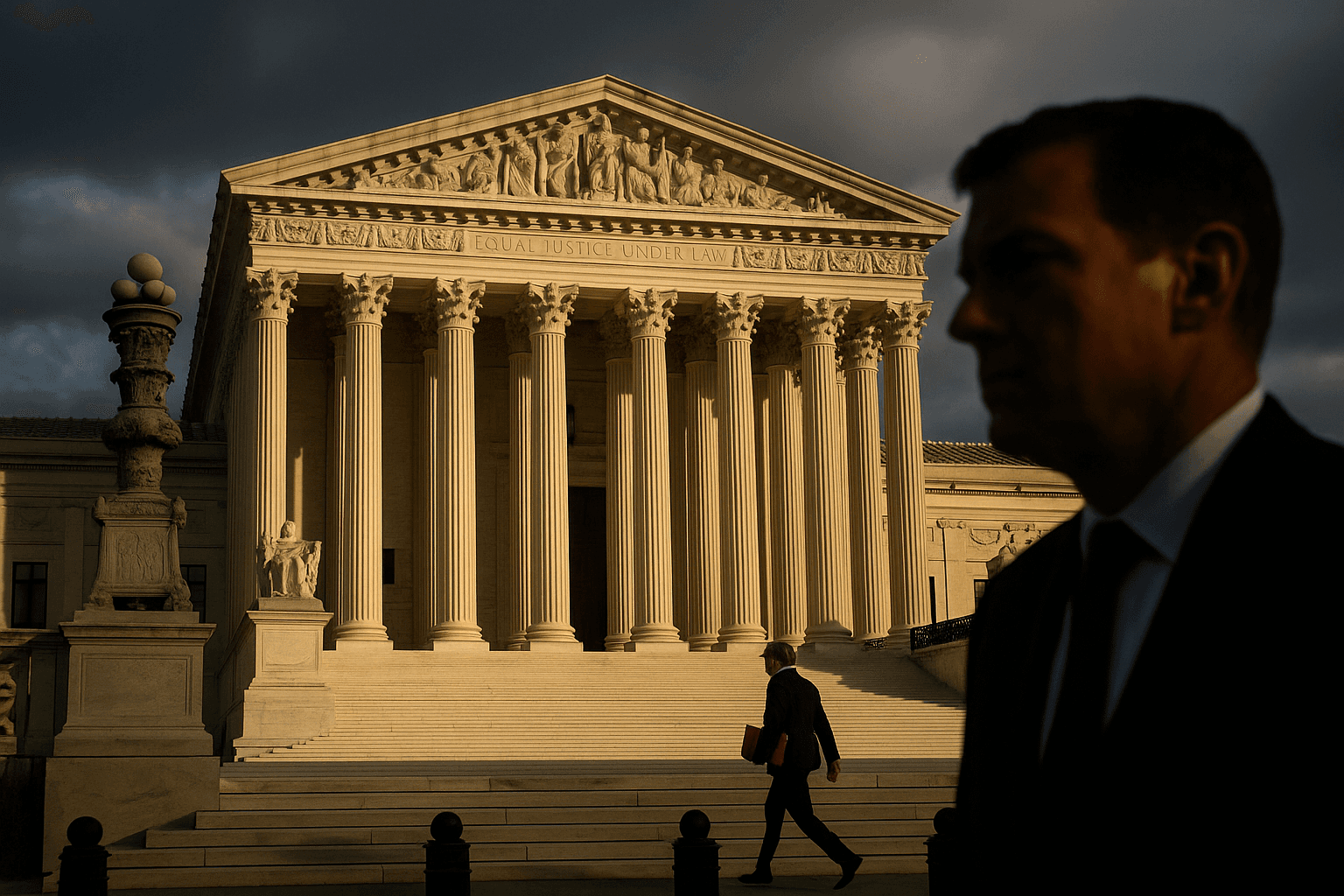
The Supreme Court on December ninth heard a Republican led challenge to federal limits on coordinated campaign spending, a case tied in part to committees associated with then Senate candidate JD Vance. The decision could transform how parties, candidates, and outside groups finance and coordinate election communications ahead of the 2026 midterms and the 2028 presidential cycle.
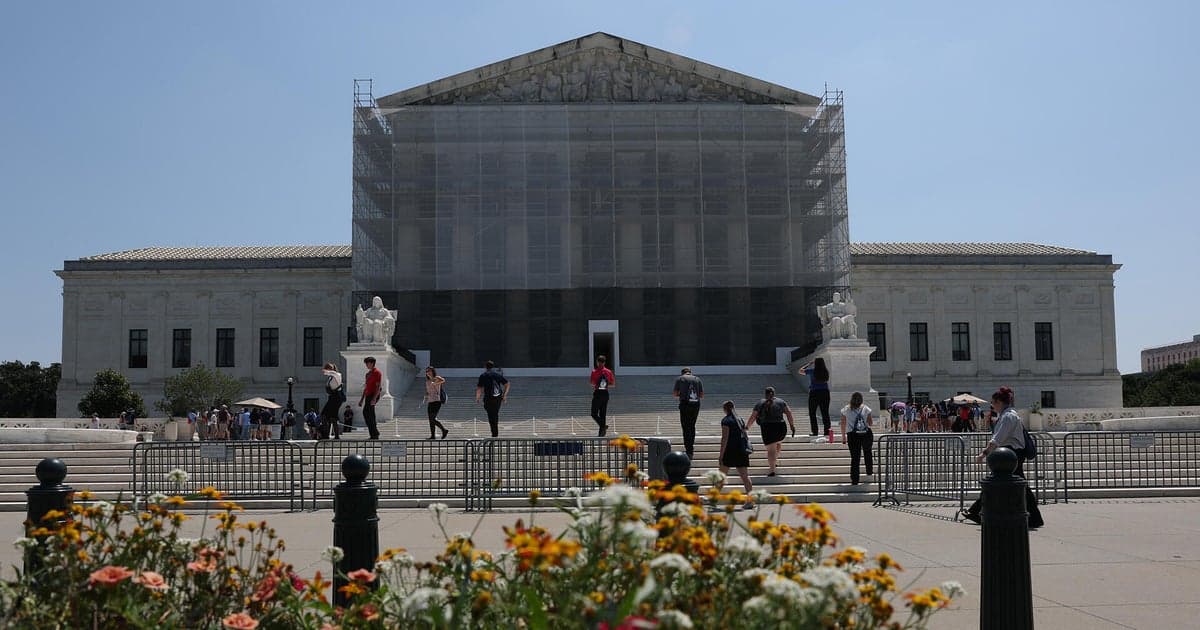
The Supreme Court on December ninth weighed a high stakes challenge to federal restrictions on coordinated campaign spending, testing how far limits on coordination between parties and candidates can survive constitutional scrutiny. The petitioners, backed by Republican interests and committees linked to then Senate candidate JD Vance, asked the court to strike down rules that cap monetary expenditures deemed coordinated with a candidate, asserting those limits violate the First Amendment and leave political parties at a structural disadvantage compared with independent outside groups such as super PACs.
At issue is the statutory and regulatory framework that distinguishes coordinated expenditures from independent spending. Under current law, expenditures made in coordination with a candidate are subject to contribution limits and reporting obligations, while independent expenditures can accept unlimited funds but must remain independent. Petitioners say the coordination rules are vague and overbroad, preventing legitimate party activity and pushing donors toward ostensibly independent entities that can spend without the same caps.
The Justice Department declined to defend the statute in court, a move that prompted the Supreme Court to appoint counsel to argue in defense and to permit multiple intervenors to participate. That procedural twist underscored the unusual posture of the case and raised the stakes for how the court frames the parties role in organizing and financing campaigns. Observers note that the appointment of outside defense counsel and active intervenors could broaden the factual record the justices consider.
A ruling for the petitioners could recalibrate the legal architecture established in prior campaign finance cases, potentially narrowing regulators authority to limit or define coordination. That outcome would likely allow party committees to accept and deploy larger sums in closer collaboration with candidates, changing the practical calculus for fundraising, message discipline, and voter outreach. Conversely, a decision upholding the limits would maintain the line drawn by regulators and courts that seeks to prevent direct circumvention of contribution rules through coordinated expenditures.
The case carries immediate practical implications for institutional enforcement and electoral politics. A shift in doctrine would force the Federal Election Commission and its enforcement apparatus to rewrite guidance and adapt compliance regimes, while state and federal prosecutors who scrutinize campaign conduct would have to reassess investigations grounded in coordination standards. For voters the change could alter the information environment of campaigns, concentrating resources in party led efforts that resemble today s independent spending but with fewer disclosure constraints.
Campaign finance scholars and practitioners also emphasize the implications for democratic accountability. If parties gain broader latitude to coordinate spending with candidates, donors may be able to influence campaign activity in ways that blur longstanding legal distinctions. That dynamic could reshape voting patterns by reallocating resources for turnout, targeted persuasion, and local races where party coordination has been constrained.
The court provided no timetable for a decision, but any ruling is likely to arrive within months and to echo into the 2026 midterm cycle. The outcome will determine not only who may spend what and when around federal campaigns, but also how transparency and enforcement will function in an evolving political finance ecosystem.
Sources:
Know something we missed? Have a correction or additional information?
Submit a Tip