Supreme Court Term Confronts Trump Cases and Broad Policy Tests
The Supreme Court’s 2025–2026 term is dominated by litigation tied to former president Donald Trump while also resolving high-stakes disputes over federal regulatory power, civil rights and election rules. The outcomes will shape presidential authority, agency governance and the bounds of political speech, with several matters decided temporarily on the emergency docket as lower courts continue to weigh challenges.
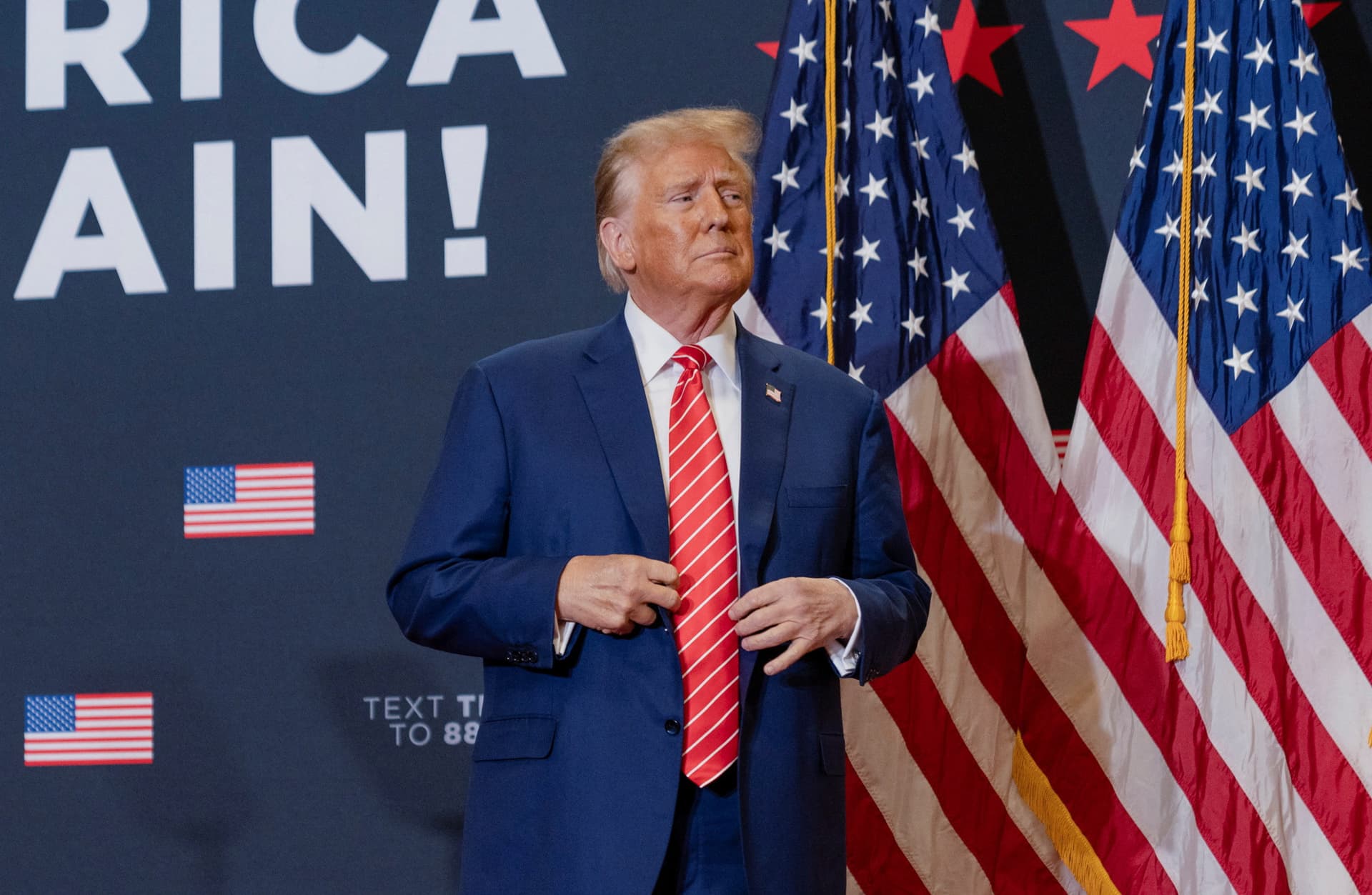
The Supreme Court’s current term, which runs through June, has assembled a roster of cases that together pose far-reaching questions about presidential power, administrative authority and individual rights. Court watchers say matters tied to former president Donald Trump are likely to dominate public attention and legal consequence for the second consecutive term, and that the stakes are higher as the justices confront multiple overlapping challenges.
A term snapshot compiled by observers tracked cases decided and pending and noted "7 decisions that sided with Trump," underscoring how litigation connected to a former president has reshaped the docket. Central among those are disputes over presidential powers and claims of immunity that could redefine the legal protections available to a sitting or former president. How the court resolves those issues will affect not only the parties before it but also the balance of accountability and executive prerogative for future occupants of the office.
Alongside Trump-related litigation, the court is addressing a mix of politically charged and administratively technical disputes. Challenges to tariff measures, questions about whether states may ban conversion therapy for gay and transgender people, and cases on transgender participation in girls’ and women’s sports are listed among the high-profile matters. The justices will also consider cases involving campaign finance restrictions and electioneering rules that have direct implications for political organizing and voter outreach.
Several important regulatory and agency disputes are on the docket or have reached the justices through emergency filings. The court is being asked to weigh cases concerning self-identifying gender on passports, deportation policies affecting Venezuelan migrants, a federal foreign aid freeze, and the use of race as a factor in immigration enforcement. Other administrative challenges involve cuts to National Institutes of Health grants, efforts to remove members of the Consumer Product Safety Commission, and allegations that Education Department changes amount to substantial policy rollbacks.
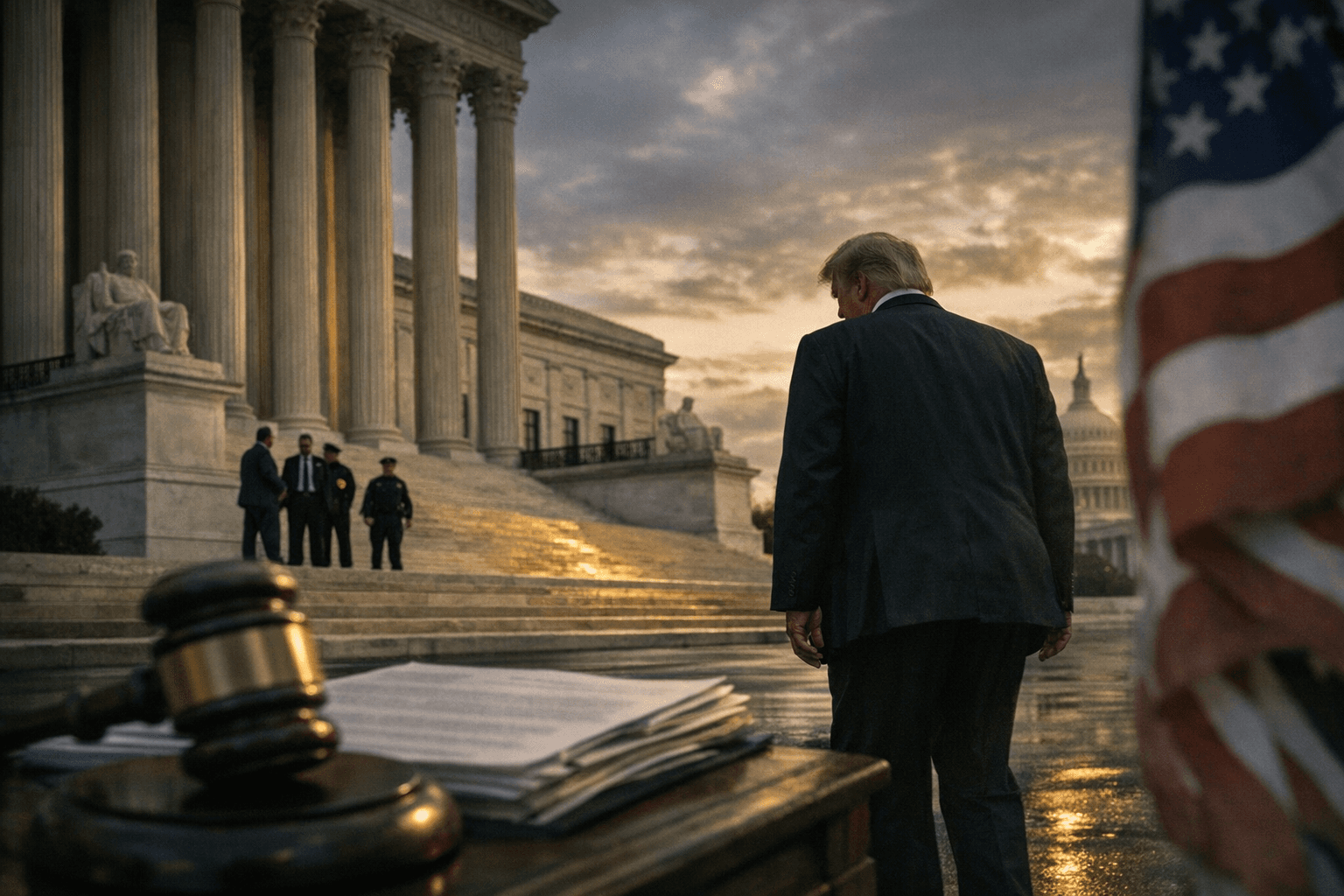
Some items are on schedules described as "to be argued," while others remain without argument dates. Notable pending matters include a challenge involving a ban on drug users possessing guns, which has not yet been scheduled for argument, and cases addressing World War II-era pollution liability, handgun-carry restrictions and whether a member of the Federal Reserve may be fired. Several of these matters have appeared on the court’s emergency docket, where the justices issue temporary rulings about whether to allow a policy to proceed while litigation continues in the lower courts.
The mixture of permanent decisions and emergency interventions highlights the court’s growing role as an arbiter of immediate policy implementation. For elected officials, regulators and voters, the term’s outcomes could constrain or expand executive and agency actions, alter the legal landscape for political speech and campaigning, and shape how contested social issues are adjudicated at the national level. As the term progresses, the court’s choices will reverberate through governance and civic life, influencing how laws are enforced and who controls key levers of power.
Know something we missed? Have a correction or additional information?
Submit a Tip