Sweden shifts aid priorities, cuts bilateral support to five nations
Sweden announced it would phase out bilateral development aid to Zimbabwe, Tanzania, Mozambique, Liberia and Bolivia and redirect funds to strengthen assistance for Ukraine. Officials said the reprioritization would free more than 2 billion Swedish crowns over two years to support reconstruction needs, including energy infrastructure, signaling a major change in Sweden's global aid footprint.

On December 5, 2025, the Swedish government said it would phase out bilateral development assistance to Zimbabwe, Tanzania, Mozambique, Liberia and Bolivia, reallocating the savings toward stepped up support for Ukraine. The change was presented as a necessary adjustment to finite resources and a reflection of a new foreign policy emphasis that places Ukraine at the top of Sweden's aid agenda.
Stockholm said the reprioritization would free more than 2 billion Swedish crowns over the next two years to boost assistance to Ukraine, with a particular focus on projects to rebuild energy infrastructure damaged during the conflict. The government proposed raising Sweden's overall aid to at least 10 billion crowns in 2026, equivalent to roughly 1.06 billion US dollars, as part of the broader shift.
The move follows earlier reductions to Sweden's overall development aid budget under the current administration and represents a tactical reorientation from long standing bilateral partnerships toward concentrated support for Ukraine's short term reconstruction and resilience. Officials framed the shift as a response to the exceptional scale of damage and the continuing security risks facing Ukraine, which they described as demanding immediate international prioritization.
The decision is likely to reverberate across the affected countries in Southern and Eastern Africa and in Latin America where Swedish bilateral programs have, for decades, supported health, education, governance and climate initiatives. Development experts caution that abrupt withdrawal of bilateral funding can leave programmatic gaps and erode local capacity. Smaller partners in particular may struggle to replace Swedish financing quickly, with implications for long term projects that require sustained engagement.
For the five countries named, the immediate practical consequences will depend on the speed with which Stockholm transitions commitments, whether funds are redirected through multilateral institutions, and the degree to which civil society organizations may step in. International donors frequently repurpose funds through multilateral development banks and United Nations agencies to help smooth transitions, but those channels can entail delays and different conditionalities than bilateral arrangements.
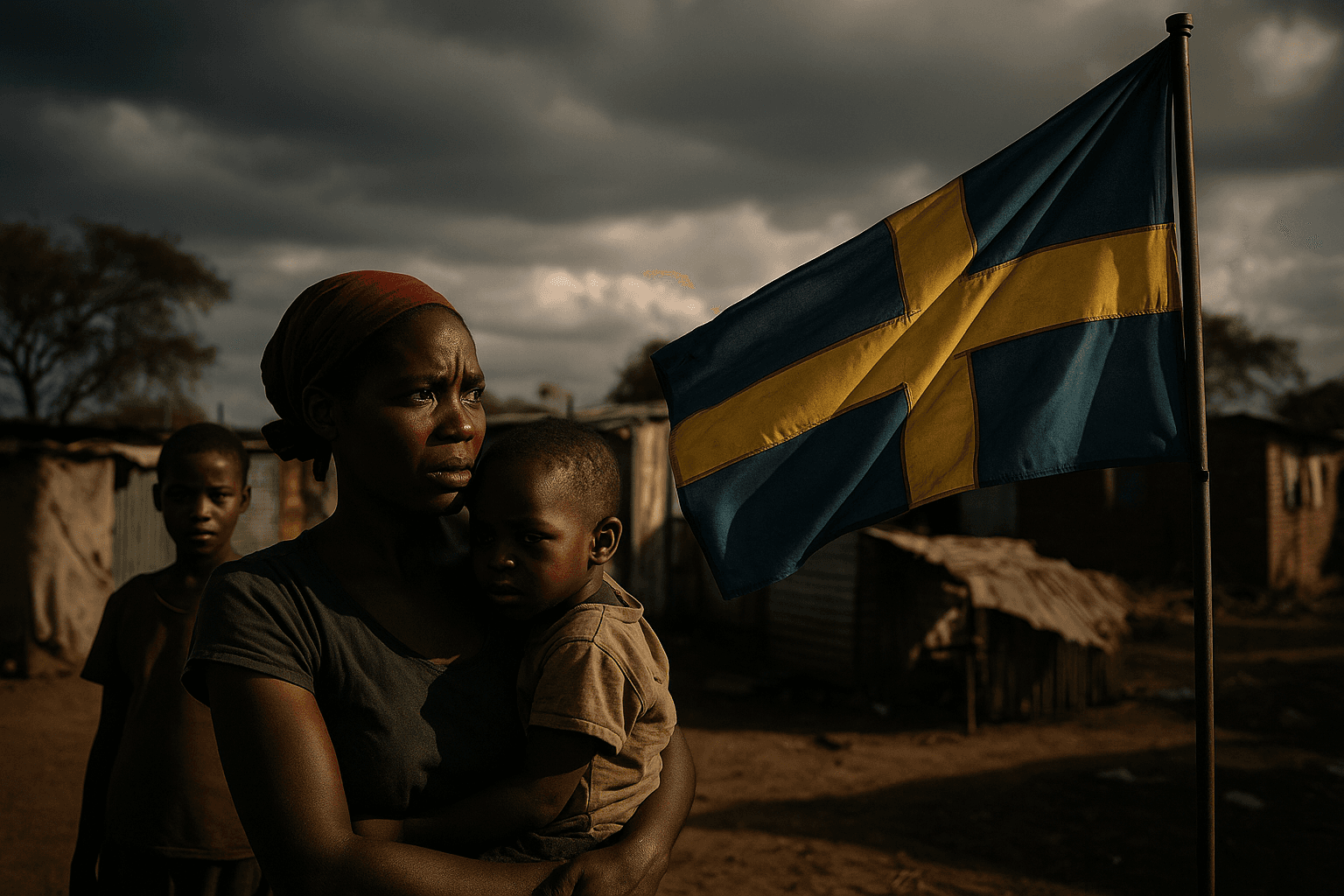
The Swedish decision also raises diplomatic questions. Countries losing bilateral support may view the move as a diminution of Sweden's longstanding solidarity on development issues. At the same time, many European and transatlantic partners have accelerated support for Ukraine, creating pressure on national budgets and prompting hard choices about where to allocate limited aid envelopes. Sweden's announcement underscores a broader tension within donor policy between immediate humanitarian and reconstruction demands and long term development commitments in low income states.
Analysts noted that reallocating funds toward energy reconstruction in Ukraine aligns with both humanitarian and strategic aims, as restoring electricity and critical infrastructure is essential to civilian recovery and economic stabilization. Yet the reorientation highlights difficult trade offs inherent in modern aid policy, where meeting pressing needs in one region can deepen vulnerabilities in another.
Stockholm said it would manage the phase out over time, and that the reallocation would be part of a planned, if politically sensitive, reordering of priorities in a constrained fiscal environment. How recipient governments and partner organizations respond will shape whether the change becomes a temporary tactical shift or a longer term redefinition of Sweden's role in global development.