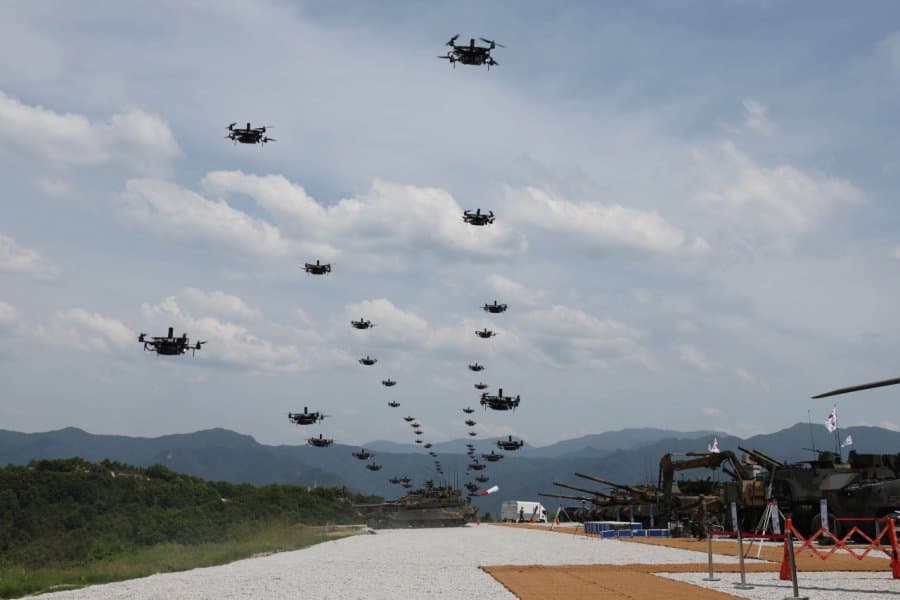
Takaichi Weighs Mid‑February Snap Election to Cement Mandate
Prime Minister Sanae Takaichi is considering dissolving the lower house and calling a snap general election in early February, with Feb. 8 or Feb. 15 under discussion, the Yomiuri newspaper reported citing government sources. The move would test her early popularity, reshape fragile coalition arithmetic and intensify diplomatic strains with China at a sensitive regional moment.
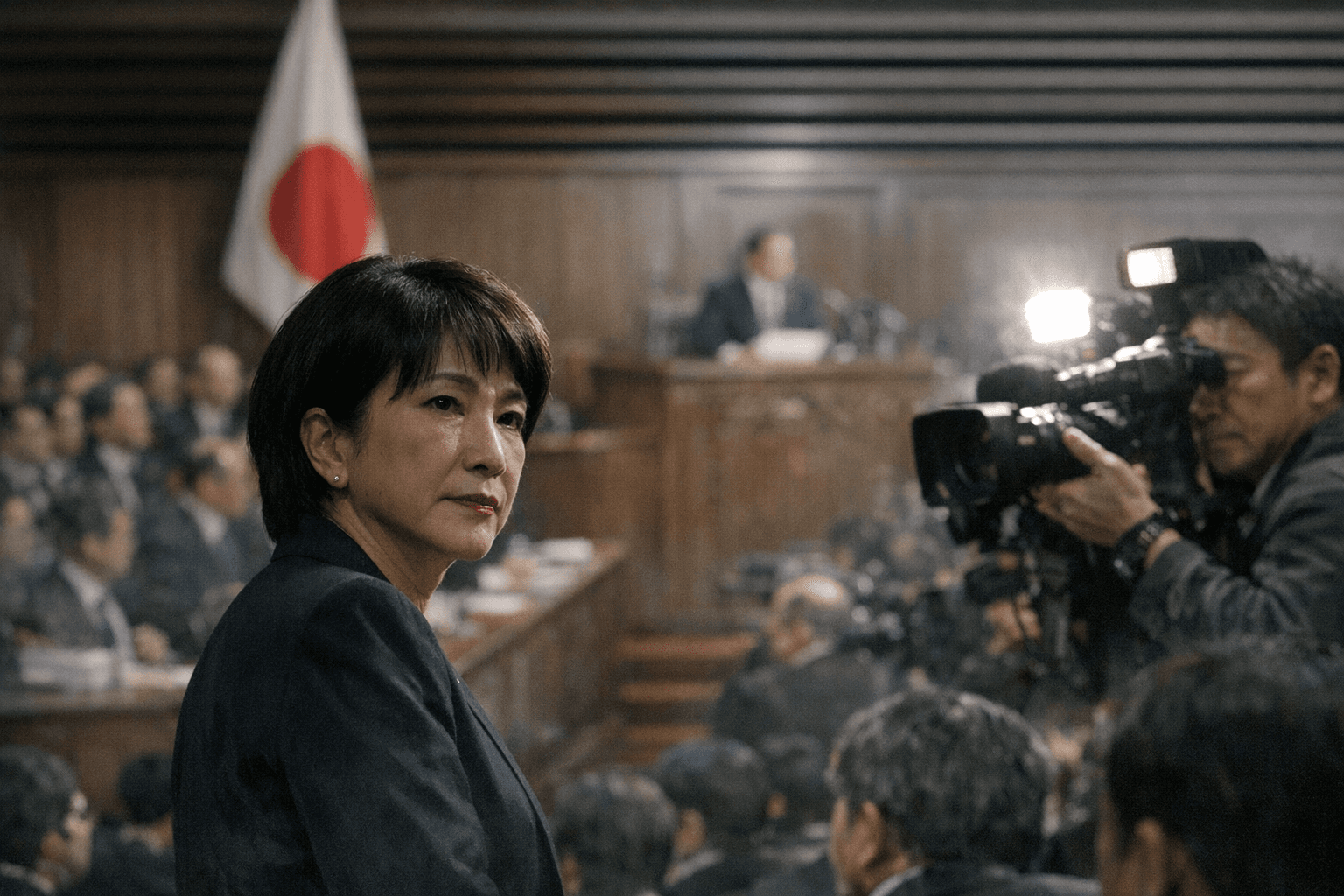
Japanese Prime Minister Sanae Takaichi is weighing a rapid dissolution of the House of Representatives and a snap general election in the first half of February, with Feb. 8 or Feb. 15 among the dates being considered, the Yomiuri newspaper reported on Jan. 9 citing government sources. If the lower house is dissolved, all 465 seats would be vacated and a general vote must be held within 40 days under Japan’s electoral rules, setting a tight timetable for parties and voters.
Ms. Takaichi, who became leader of the Liberal Democratic Party in October 2025 and was sworn in as prime minister that month as Japan’s first female prime minister, has enjoyed comparatively strong approval ratings since assuming office. Political strategists say a snap ballot would allow her to capitalize on that momentum and attempt to secure a clearer legislative mandate for an ambitious domestic and foreign policy agenda. The LDP is currently in coalition with the Ishin party but remains a few seats short of a working majority in the lower house, and the withdrawal of long‑time partner Komeito amid concerns over Ms. Takaichi’s hawkish positions has left parliamentary arithmetic fragile.
The prospect of an early election arrives against the backdrop of a severe diplomatic rift with China that has weighed on Tokyo’s foreign relations and economic links. The dispute erupted late in 2025 after Ms. Takaichi warned that a Chinese attack on Taiwan could pose an existential threat to Japan, a framing that Beijing rejected and treated as provocative. In the months since, China has taken a range of retaliatory steps reported by officials: urging Chinese citizens to avoid travel to Japan, cancelling bilateral meetings and cultural events, and restricting exports of certain dual‑use items. Those measures have complicated trade and people‑to‑people ties and injected new uncertainty into an already volatile regional security environment.
Analysts say the China dispute likely sharpens the political calculus at home. Ms. Takaichi’s tougher posture appeals to nationalist and right‑leaning voters who prioritize deterrence and a recalibration of Japan’s self‑defence posture, but it also imposes diplomatic costs with Tokyo’s largest neighbour and major trading partner. Any campaign fought in February would therefore be as much a referendum on strategic direction as a contest over domestic policy.
Markets reacted quickly to the Yomiuri account. Currency trading saw the dollar strengthen against the yen following the reports, continuing a trend in which the yen had struggled through the second half of 2025. Observers warned that another prolonged period of political uncertainty, paired with potential shifts in fiscal and defence policy, could prompt further market sensitivity.
As of Jan. 9 there had been no formal announcement from the prime minister’s office dissolving the lower house or setting election dates. If Ms. Takaichi proceeds, Tokyo will face compressed campaigning, an intensified debate over Japan’s stance toward China and a consequential decision point for voters about the country’s strategic future in East Asia.
Know something we missed? Have a correction or additional information?
Submit a Tip