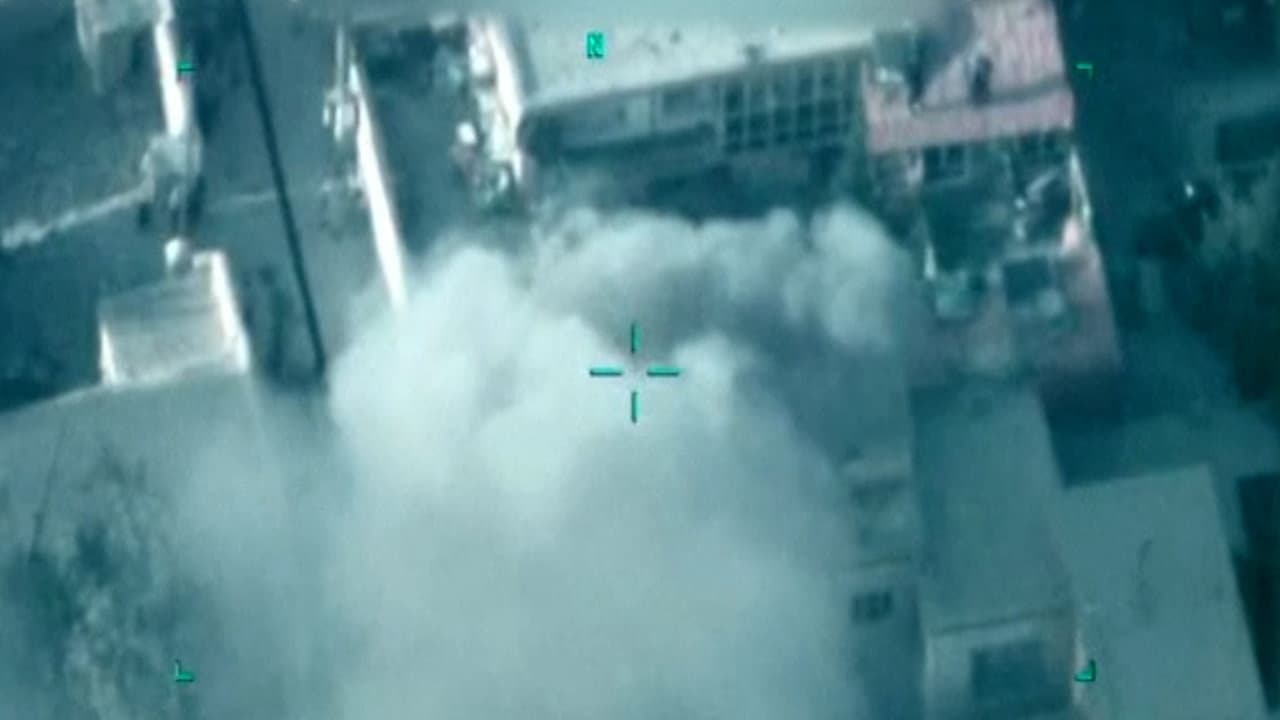
Tear Gas Ends Farmers Attempt to Block Thessaloniki Airport Road
Riot police used tear gas after dozens of farmers tried to block the main access road to Thessaloniki International Airport, escalating a nationwide campaign over delayed EU backed subsidy payments. The confrontation underscores mounting rural distress in Greece and risks wider disruption to regional trade and travel if talks do not produce swift payments.
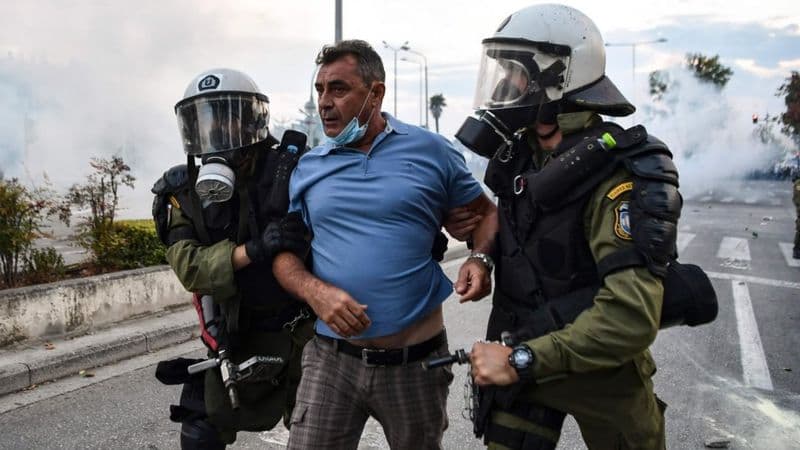
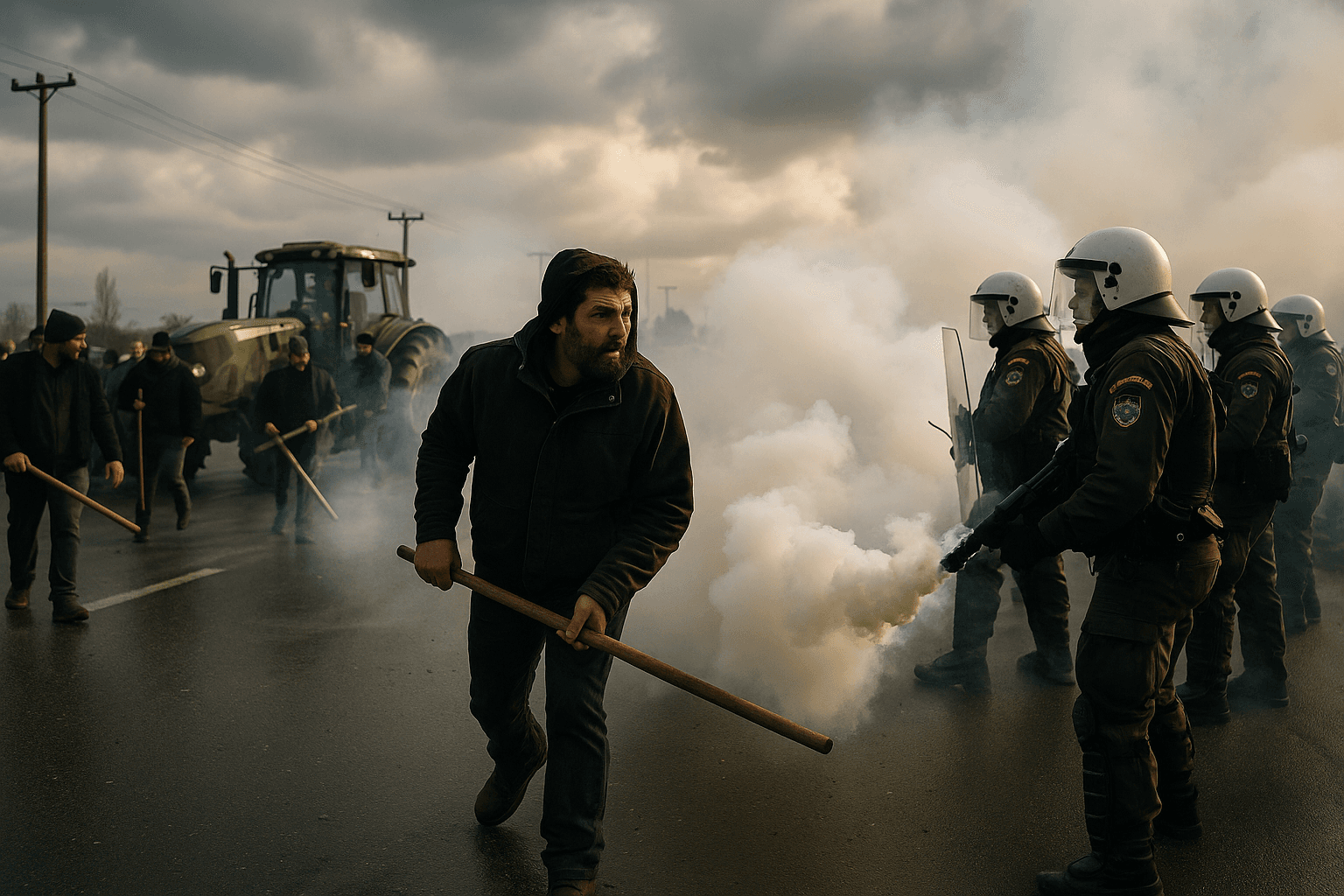
Riot police in northern Greece fired tear gas on December 5 to disperse groups of farmers who tried to block the principal road leading to Thessaloniki International Airport, authorities said, as a larger protest movement over delayed EU backed agricultural subsidies spread across the country. The clash came after hundreds of producers gathered with tractors on a cold winter morning and attempted to breach a police cordon that had been established to keep the airport open to passengers and freight.
The attempt involved roughly 200 to 300 farmers and more than 100 tractors, local officials reported, and police moved to prevent what they described as an unlawful shutdown of a major transit hub. Traffic diversions were put in place to preserve freight flows and passenger access, a priority for the port city that functions as northern Greece’s commercial and transport hub.
The Thessaloniki incident was one front in a nationwide wave of demonstrations in which farmers deployed thousands of tractors and intermittently blocked border crossings, highways and ports in recent days. Protesters have said that delays in payments linked to EU backed subsidy programs and ongoing fraud investigations have left many honest producers unable to operate, enduring acute cash flow problems as input costs climb and livestock disease outbreaks compound losses.
The protests have spotlighted a clash between the state duty to investigate potential misuse of EU funds and rural communities’ need for predictable income to feed households and sustain local economies. The subsidies at the heart of the dispute are part of the Common Agricultural Policy, under which member state administrations distribute funds that carry both financial and regulatory obligations. Greek officials have said they remain open to talks but warned they would not tolerate shutdowns of major transit infrastructure.
The agricultural action is already having ripple effects beyond Greece’s borders. Border blockades have interrupted truck traffic across the Balkans, complicating supply chains for both agricultural exports and industrial goods. Economists warn that prolonged disruption could reverberate through regional markets in southeastern Europe, where just in time deliveries and seasonal agricultural cycles leave little margin for delay.
For Greece, the protests arrive amid wider social pressures. Rural areas have faced decades of demographic decline, with aging farm populations and limited alternative employment. Farmers framed their demonstrations as a defense of livelihoods and rural communities that absorb the economic shocks of disease outbreaks and energy and feed price increases.
Law enforcement and local authorities face a delicate task in balancing constitutional rights to protest with the need to keep airports, ports and border crossings functioning. International aviation and trade norms emphasize the continuity of critical infrastructure, but democratic governments must also manage legitimate social grievances without escalating violence.
As the day ended in Thessaloniki, farmers warned they would intensify action if subsidies were not released, while officials urged dialogue and reaffirmed their readiness to maintain public order. The episode will test Athens’s capacity to broker a rapid administrative solution that addresses payment backlogs while satisfying Brussels requirements for accountability, a resolution that will be closely watched across the European Union.