Thailand to Hold Parliamentary Elections, Royal Assent Ends Short Premiership
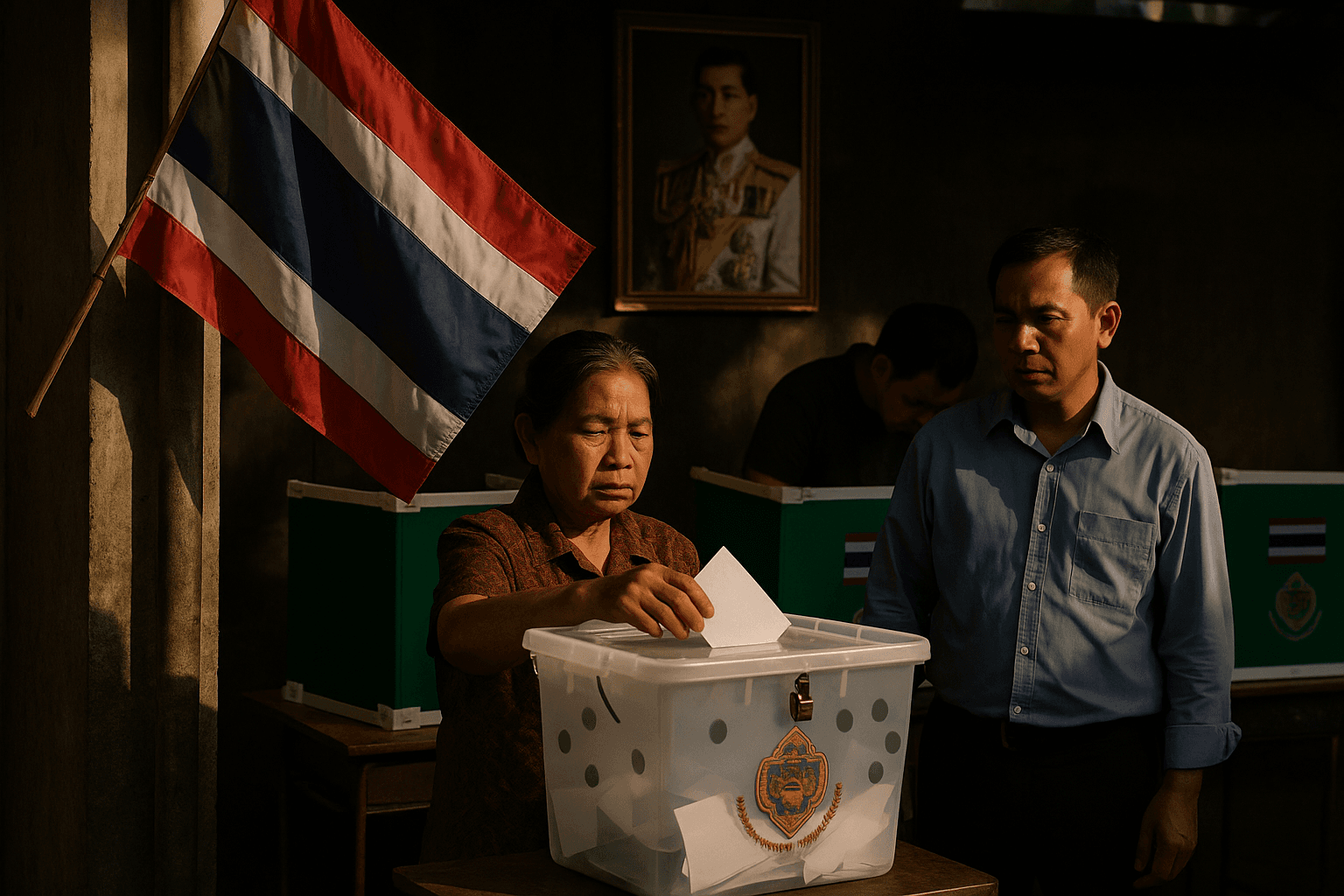
Thai authorities say parliamentary elections are set for Feb. 8, 2026 after the prime minister received royal assent to dissolve the House of Representatives, a move that reshapes the country's fragile political landscape and raises regional diplomatic stakes. The date falls within the statutory 45 to 60 day window after dissolution, but officials have yet to formally confirm the timetable which could affect security and cross border diplomacy.

Thailand moved closer to a national poll after the monarchy approved the dissolution of the House of Representatives, with multiple local outlets reporting on Dec. 15 that parliamentary elections will be held on Feb. 8, 2026. The Royal Gazette published a decree that the House was dissolved on Dec. 12, saying that “The House of Representatives is dissolved to hold a new general election for members of the House.”
The decree summarized a report from Prime Minister Anutin Charnvirakul that his administration had become a minority government and that “domestic political conditions are fraught with multiple challenges,” concluding that the “appropriate solution is to dissolve the House of Representatives and hold a new general election.” Anutin posted on social media that he “would like to return power to the people,” language long understood in Thai politics as a signal of intent to seek dissolution.
Under Thai law polls must be held within 45 to 60 days after dissolution. A Feb. 8 date would fall inside that statutory window following the Dec. 12 decree, making the proposed schedule legally plausible. The Election Commission has been reported to be convening to set the official timetable but an Election Commission official declined to confirm the Feb. 8 date as of Dec. 15.
The dissolution caps a turbulent three months for a government formed amid complex coalition bargaining. Political manoeuvring that led to Anutin’s premiership included promises to pursue constitutional amendments and a timetable for a planned dissolution, yet the current decree accelerates the process. Observers say the move reflects fraying alliances and the short term nature of the current administration.
The timing intersects with a flare up of violence along Thailand’s border with Cambodia, which several reports have linked to the government’s decision to call elections sooner than previously expected. Diplomats and officials in the region have scrambled to manage the security implications, and an ASEAN foreign ministers’ meeting on Thailand Cambodia tensions was postponed to Dec. 22 as neighbors sought a coordinated response. Officials have raised concerns that continued clashes could disrupt logistics, including fuel routes, and complicate campaigning in sensitive provinces.
The accelerated calendar will force parties to compress candidate selection, alliance negotiations and campaign preparations. For voters the rapid timetable could limit detailed policy debate, while for Thailand’s partners in Southeast Asia and beyond the election will be watched for its implications for stability, border management and ongoing constitutional reform efforts.
Key procedural steps remain unsettled. The Royal Gazette decree provides the formal legal basis for dissolution but the Election Commission’s formal notice and the minutes of its scheduling meeting will be necessary to make the Feb. 8 date official. Political leaders, coalition partners and opposition figures are likely to issue statements once the commission publishes a definitive schedule, and diplomats in the region will continue to monitor both the campaign environment and the security situation on the Cambodia border.
Know something we missed? Have a correction or additional information?
Submit a Tip