Thousands of Gaza Children Still Acutely Malnourished After Truce
UNICEF says 9,300 children were treated for severe acute malnutrition in Gaza in October despite a ceasefire meant to expand aid, a level far above earlier pauses in fighting. The persistence of high caseloads signals continuing supply disruptions, rising humanitarian costs, and long term risks to child development and Gaza's economic recovery.
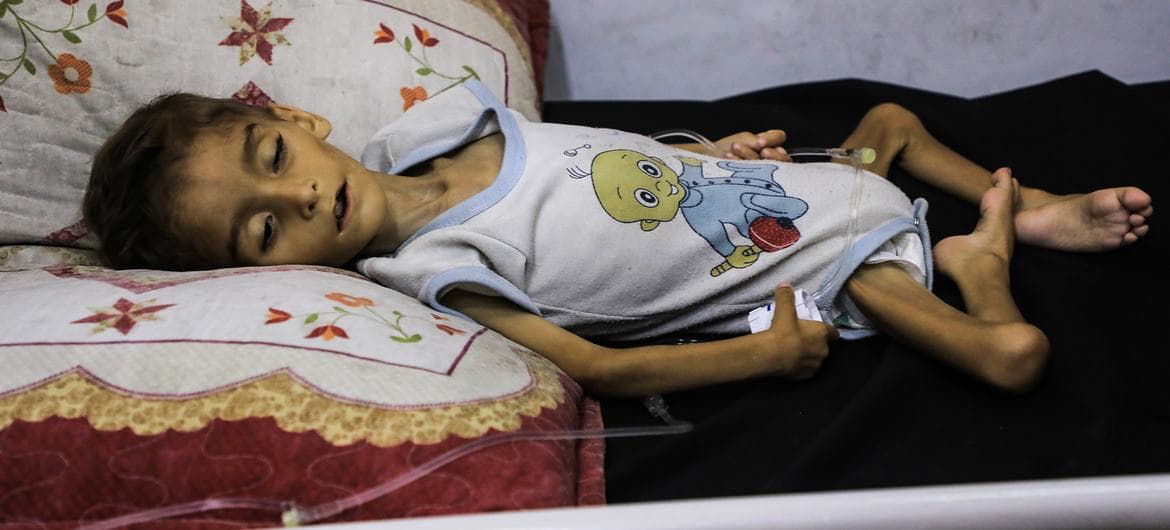
Thousands of children in Gaza continue to suffer from acute malnutrition months after a ceasefire that was meant to open humanitarian corridors, the United Nations children agency said on Tuesday. UNICEF, which is the largest provider of malnutrition treatment in the enclave, reported that 9,300 children received care for severe acute malnutrition in October when the first phase of an agreement intended to end the two year Israel Hamas war came into effect.
The October figure represents an improvement from a peak of more than 14,000 admissions in August, yet it remains substantially higher than levels recorded during a brief ceasefire in February and March. UNICEF spokesperson Tess Ingram, speaking by video link from Gaza to a Geneva briefing, said, "It's still a shockingly high number." She described seeing underweight infants born in hospitals and flagged a string of operational barriers that are keeping supplies from reaching the most vulnerable.
UNICEF and other aid agencies point to repeated delays and denials of cargoes at crossings, closures of routes inside and outside Gaza, and ongoing security challenges as the primary constraints on a predictable humanitarian response. The agency urged that all available crossings be opened to allow regular shipments of therapeutic foods, medical supplies and clean water. Without reliable access, treatment programs struggle to keep pace with new cases and to provide the follow up needed to prevent relapses.
The humanitarian numbers carry broader economic and social consequences. Severe acute malnutrition in early childhood is associated with increased mortality risk and lasting impairment in cognitive and physical development. For Gaza, where reconstruction needs and unemployment remain acute, higher rates of childhood malnutrition threaten future labor productivity and raise the fiscal and social costs of recovery. Health systems already strained by conflict will face heavier burdens treating complications and rehabilitating survivors.
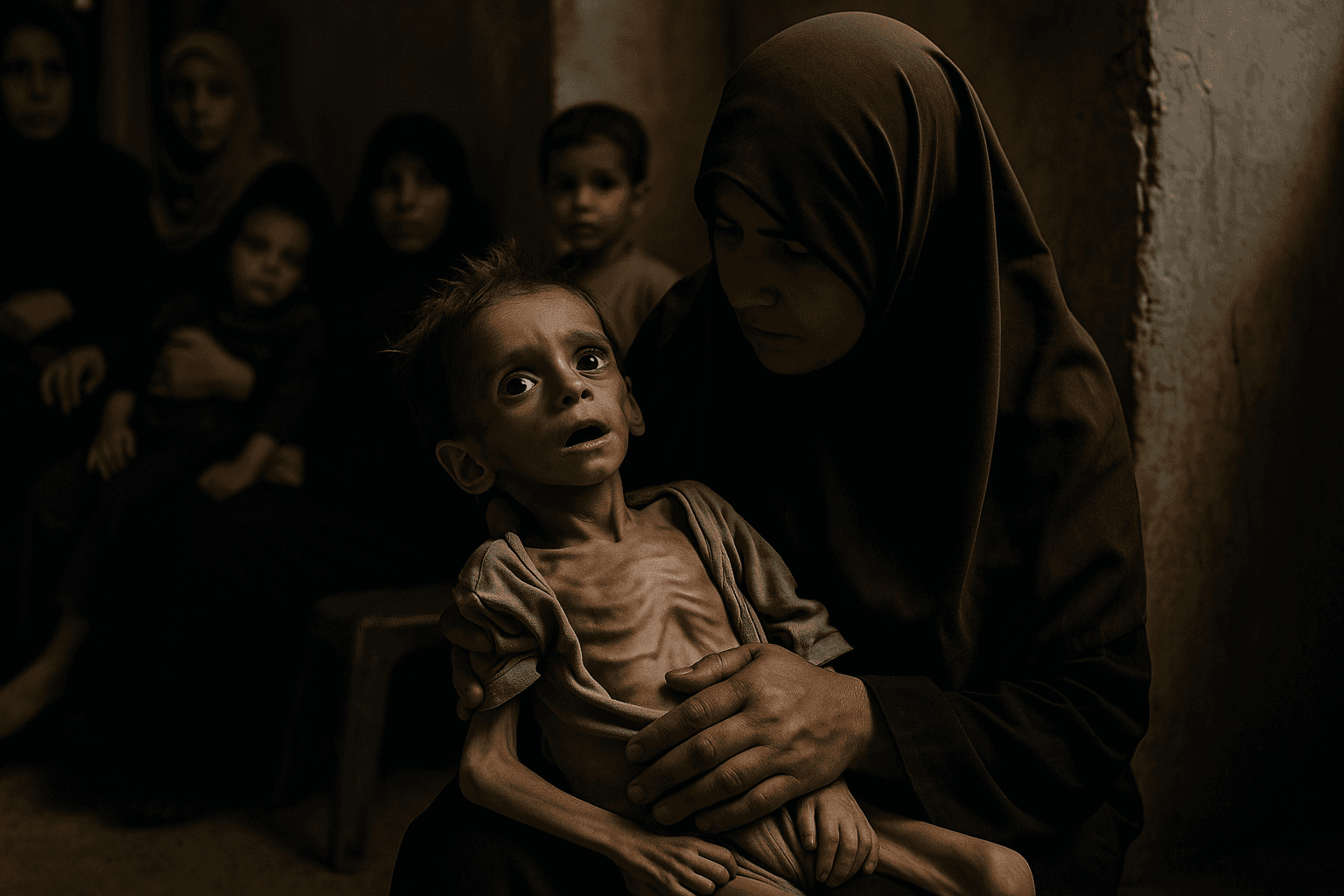
Donor funding and logistics must scale up to match needs, UNICEF officials say. Predictable, sustained funding is essential not only to procure therapeutic supplies but also to maintain community screening and outpatient treatment networks that catch cases before they become critical. Aid agencies also call for clearer security guarantees so that humanitarian convoys can operate without intermittent suspension.
The recent ceasefire was intended to ease those exact constraints and enable a major increase in aid flows. That outcome has been only partly realized, according to the agency, leaving thousands of children at risk of long term developmental harm if the current trend continues. As winter approaches and living conditions deteriorate for many families, the statistical gap between treatment capacity and need underscores the urgency for political and logistical solutions, and for donors to translate pledges into sustained deliveries.