Trump Defends Economic Record, Promises Affordability Push in Pennsylvania
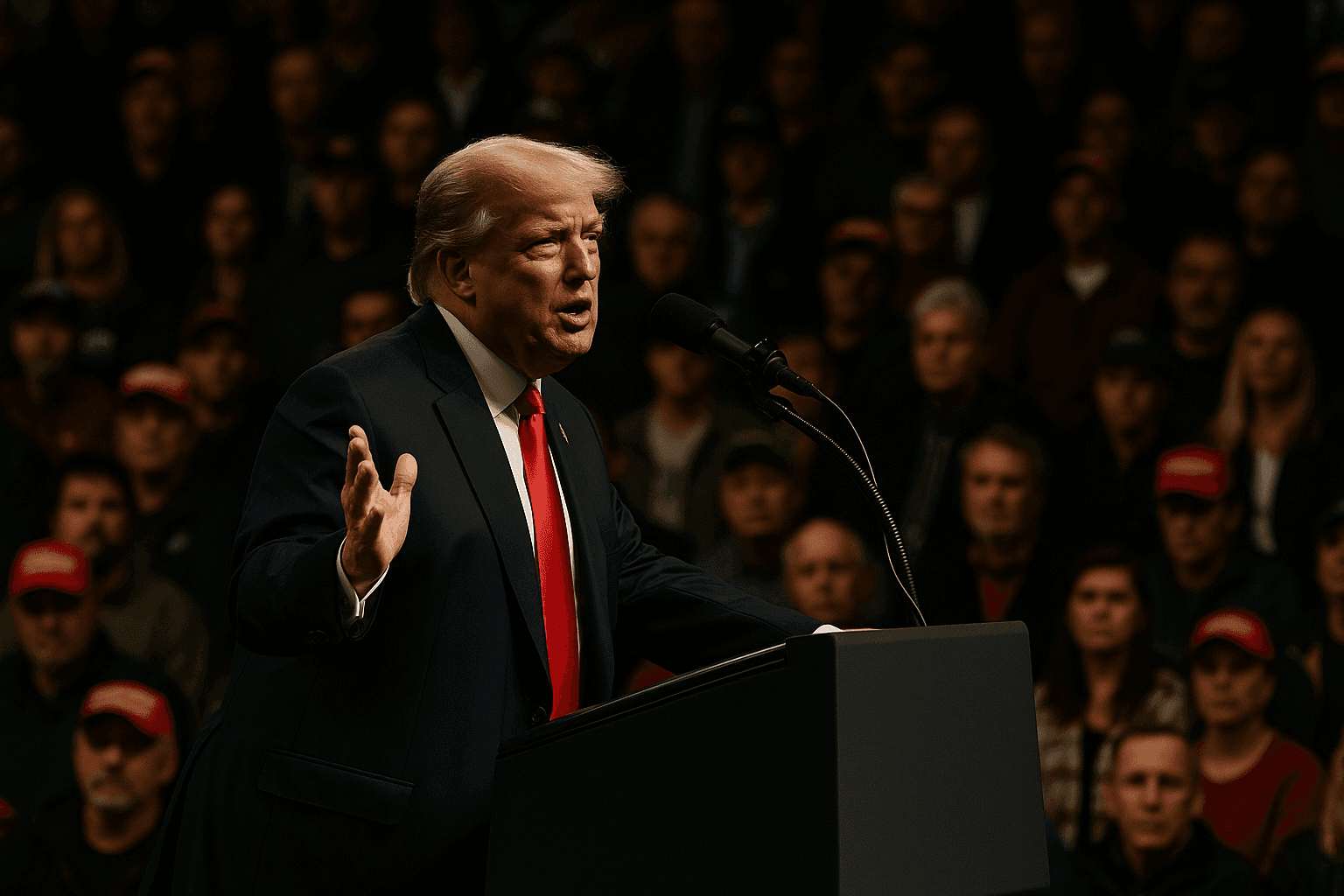
President Donald Trump used a campaign style rally in Mount Pocono on Dec. 9, 2025 to launch a national "affordability" tour, touting tariffs, tax changes and claimed gains on jobs and investment while pledging to make life "more affordable." The speech shifted repeatedly into broader political attacks on immigration, prompting mixed reactions from local voters and analysts and highlighting partisan stakes ahead of the 2026 midterm elections.

President Donald Trump traveled to Mount Pocono, Pennsylvania on Dec. 9 to inaugurate a national "affordability" tour, spending a large portion of a campaign style address defending his economic record and promising policies intended to lower household costs. He cited tariffs, tax changes and claimed increases in jobs and investment as evidence of success, and promised to make life "more affordable." The event, however, moved beyond pocketbook appeals and included sharp criticism of immigrants from certain countries and repeated immigration themes that drew widespread attention and controversy.
The speech illustrated the administration's effort to reframe political debate around consumer costs, a subject that polls show often resonates with swing voters. Administrations routinely emphasize economic performance in midterm cycles, and this appearance signaled a strategic push to tie national policy credits to local experiences. By foregrounding tariffs and tax policy as drivers of jobs and investment, the president sought to connect macroeconomic measures with everyday bills, even as independent economists and some local voters questioned the linkage between trade measures and reductions in consumer prices.
Local reaction was mixed. Some residents credited the broader economy with stronger hiring and investment signals since 2021, noting anecdotal improvements in certain industries in the region. Others expressed skepticism about whether the policies cited could translate into sustained relief at grocery stores, gas pumps and utility bills. Analysts noted that credibility on affordability depends on demonstrable outcomes in inflation rates, wage growth and supply chain stability, areas where federal policy interacts with global markets and where short term gains can be unevenly distributed across regions and income groups.
The immigration rhetoric complicated the message. The remarks attracted attention from both opponents and supporters, raising questions about whether the administration was seeking to consolidate its base through cultural appeals while attempting to broaden its reach with economic messaging. Political strategists warn that mixing hardline immigration language with appeals to middle class economic pain can have divergent effects, potentially energizing core supporters even as it risks alienating moderate suburban voters whose preferences often decide closely contested districts.
Institutionally the event underscored the administration's reliance on high profile public rallies to set narratives, rather than a suite of targeted policy rollouts or legislative initiatives. For Congress and state governments, the president's framing creates pressure to respond with concrete proposals that would translate campaign claims into measurable policy outcomes. That requirement places scrutiny on implementation details, from tariff administration to tax enforcement and spending priorities, areas that require coordination across agencies.
With the 2026 midterms looming, the Mount Pocono rally served as an early test of whether a pocketbook centric message can blunt electoral headwinds. The effort will be measured not only by polling shifts but by voter turnout patterns in battleground districts and by the extent to which tangible price relief materializes for households over the coming months. AP reporting by Marc Levy and Josh Boak.
Sources:
Know something we missed? Have a correction or additional information?
Submit a Tip