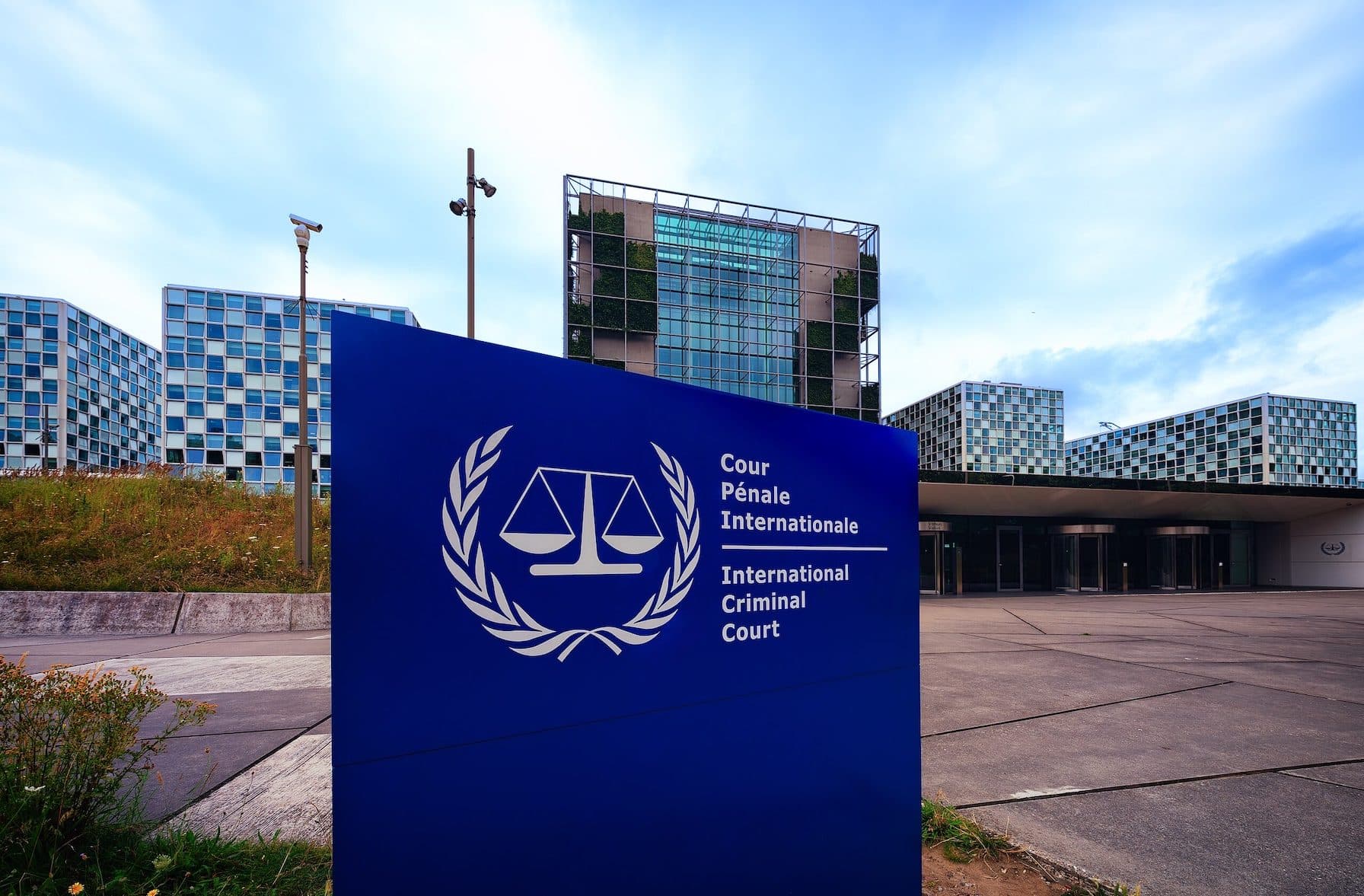
White House Presses ICC to Bar Prosecutions of Trump, Threatens Sanctions
The Biden administration is pressing the International Criminal Court to amend the Rome Statute to prevent investigations or prosecutions of President Donald Trump and other senior U.S. officials, and has warned of fresh sanctions if the court does not comply. The demand also seeks closure of inquiries into Israeli leaders over Gaza and the Afghanistan probe, raising a new transatlantic flashpoint over the independence of international justice.
A senior U.S. administration official told Reuters on Wednesday that the White House is urging the International Criminal Court to change its founding treaty to block investigations or prosecutions of President Donald Trump and other top U.S. officials, and has threatened further sanctions on the court if it refuses. The official said the administration is also demanding that the ICC abandon ongoing or potential probes into Israeli leaders related to Gaza and formally close a prior Afghanistan investigation.
The announcement marks a significant escalation in Washington’s long running confrontation with the ICC. U.S. officials have previously imposed sanctions on nine court staff, and the administration says it is prepared to move beyond individual measures to institutional sanctions should the court decline the demands. That possibility has alarmed diplomats and international legal observers who warn that targeting the court itself could undercut multilateral mechanisms that pursue accountability for mass atrocities.
Changing the Rome Statute would require approval by two thirds of ICC member states, a threshold that makes the American demand highly improbable to achieve. The treaty amendment procedure is deliberately stringent, reflecting member states’ desire to protect the court’s independence from single state pressure. Reuters noted that the ICC told the news agency it had not received formal requests to open probes on some of the matters referenced by the U.S. official, underscoring a mismatch between Washington’s public posture and the court’s formal docket.
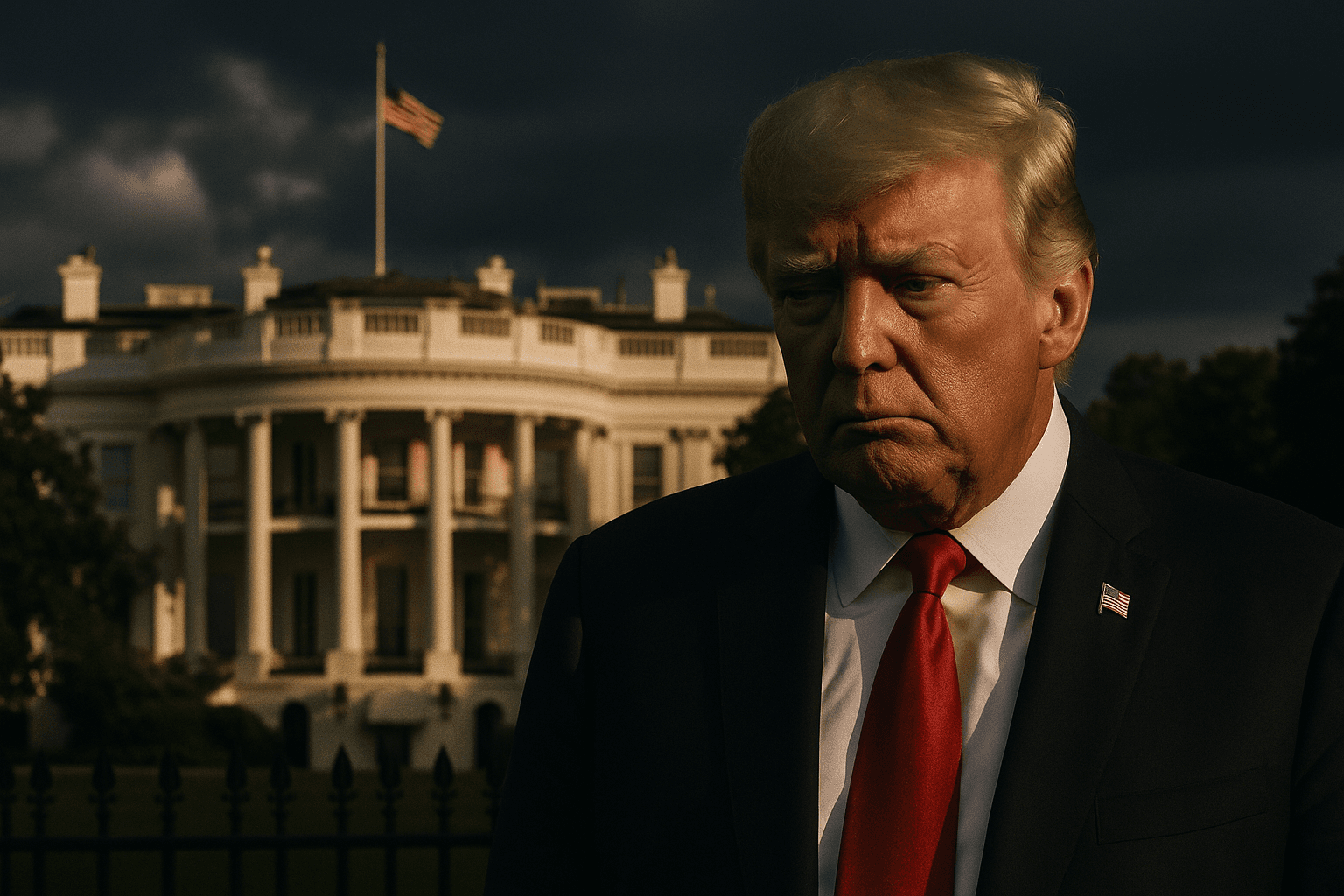
The U.S. move is presented inside the administration as a defensive measure aimed at shielding U.S. leaders from potential future legal jeopardy, including concerns about prosecutions after President Trump’s term ends in 2029. Critics of the approach say it seeks to place powerful political actors beyond international scrutiny and risks politicizing institutions dedicated to impartial investigations of grave crimes.
For victims and societies affected by conflict, the standoff could carry human consequences. Efforts to curtail ICC jurisdiction over allegations tied to Gaza and Afghanistan may be read as limiting avenues for redress, complicating long term reconciliation and accountability processes in regions where crimes against civilians have deeply scarred communities.
The dispute also poses diplomatic risks for Washington with traditional partners. Many U.S. allies balance support for international justice with political ties to Israel and the United States. If the administration moves forward with institutional sanctions, capitals that value the ICC’s role could face pressure to choose sides between U.S. policy imperatives and broader multilateral commitments to global rule of law.
Legal experts note that, beyond treaty amendment, options for the United States are narrow. The court’s mandate rests with its membership and with the independent offices that investigate alleged crimes. Attempts to reshape that mandate by unilateral coercion would test established norms about the separation between political power and judicial institutions at the international level.
As of Wednesday the situation remains fluid. The Biden administration’s threat signals a willingness to harden its stance toward the ICC, while the practical prospects of forcing treaty change or compelling the court to abandon high profile investigations remain limited. The confrontation puts a spotlight on the tensions between national prerogatives and multilateral efforts to hold leaders accountable for crimes under international law.
Sources:
Know something we missed? Have a correction or additional information?
Submit a Tip