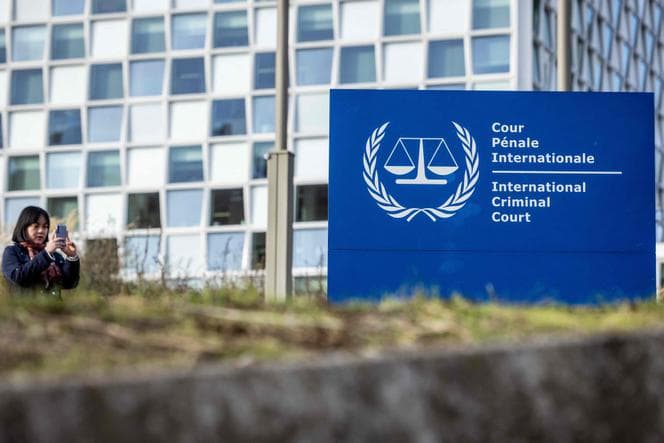
U.S. Threatens Sanctions on International Criminal Court, Demands Immunity for Officials
The White House on December 10 warned it could levy fresh sanctions on the International Criminal Court unless the court alters its founding statute or formally pledges not to investigate former U.S. officials, including former President Donald Trump. The ultimatum escalates a longstanding confrontation over the court's investigations into U.S. military actions in Afghanistan and alleged war crimes by Israeli leaders during the Gaza conflict, raising legal and diplomatic questions for Washington and ICC member states.
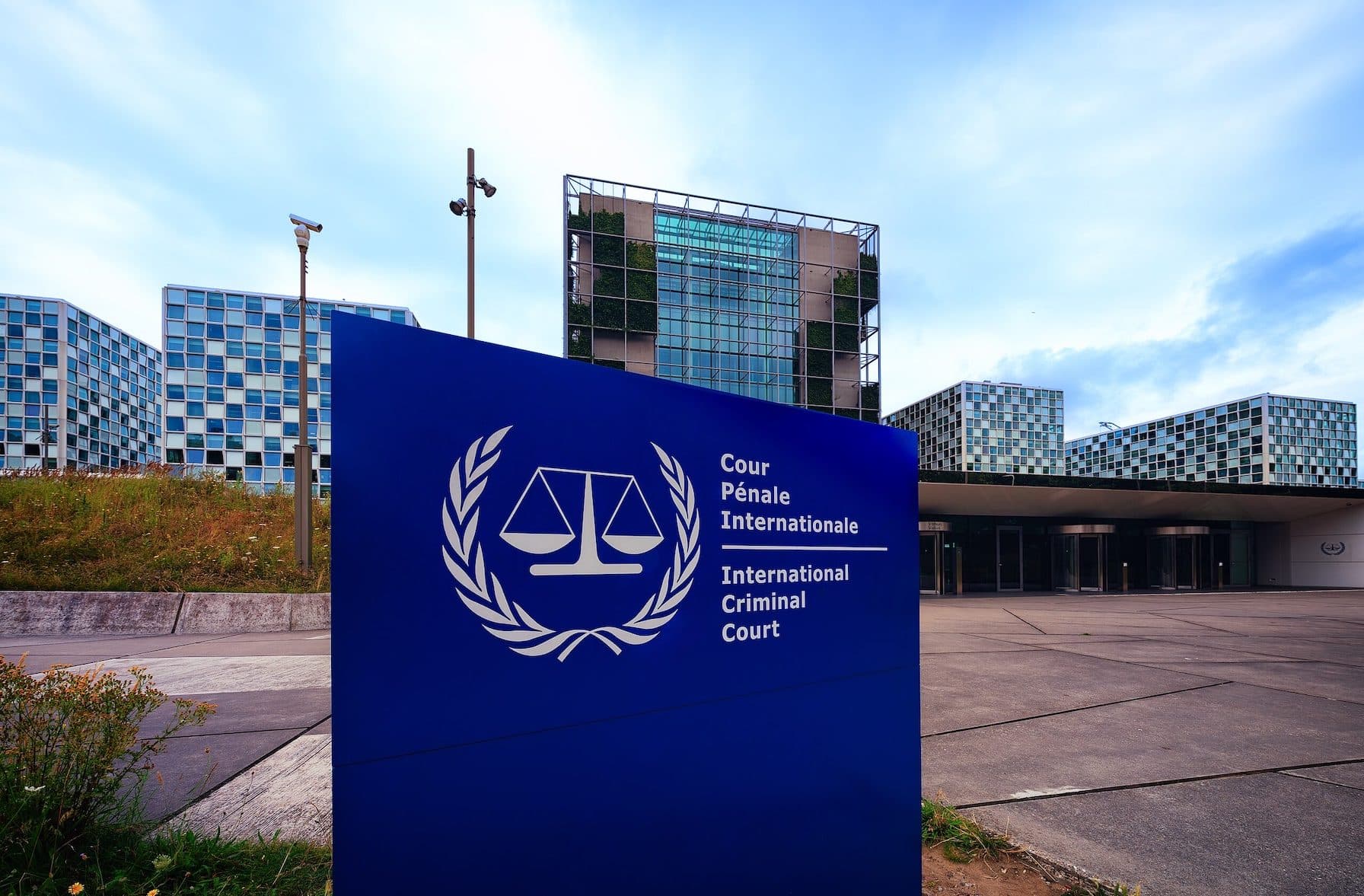
The U.S. government escalated a diplomatic confrontation with the International Criminal Court on December 10 by threatening institutional sanctions unless the Rome Statute is amended or the court agrees not to pursue investigations of current or former U.S. officials, including former President Donald Trump. The demand targets ongoing inquiries into alleged war crimes tied to U.S. military operations in Afghanistan and a separate probe into actions by Israeli leaders in the Gaza conflict.
The move marks a departure from prior U.S. responses that targeted individual ICC personnel. Reuters reported that Washington has previously imposed sanctions on specific court staff, but an institutional sanction against the court itself would be unprecedented and underscores rising tensions between the United States and the international tribunal based in The Hague.
Legal obstacles to the White House demand are substantial. The Rome Statute can be amended only with the approval of two thirds of the ICC membership, a threshold that would require broad international support. The United States is not a party to the treaty and therefore lacks a formal vote in the amendment process, meaning any effort by Washington to change the statute would depend on persuading other member states to carry its proposal. That dynamic places the United States in the position of seeking to shape a treaty regime from outside its formal membership, an approach likely to complicate relations with long standing U.S. allies who are also ICC members.
Beyond technical treaty hurdles, the ultimatum raises policy and institutional questions about the independence of an international court designed to hold individuals accountable for the gravest atrocities. Advocates for the ICC argue that the court provides an avenue for accountability where domestic systems fail and that political pressure from powerful states risks undermining global norms on impunity. Critics within the U.S. contend that the court could claim jurisdiction over Americans in ways that interfere with U.S. sovereignty and military operations.
The diplomatic fallout might extend to broader cooperation on security and legal matters. Allies that support the ICC or rely on The Hague for international justice mechanisms must now weigh alignment with Washington against commitments to multilateral accountability institutions. For ICC member governments weighing an amendment, considerations will include domestic political constituencies, the court's role in addressing crimes affecting their own populations, and strategic ties to the United States.
Civic groups, victims organizations and human rights activists are likely to mobilize in response, framing the dispute as a choice between protecting victims access to international justice and shielding powerful officials from scrutiny. The coming days will test whether Washington seeks a multilateral path to its objectives or leverages unilateral measures that could deepen institutional strain.
How the court will respond is not yet clear. Any decision by ICC leaders to proceed with or suspend investigations will play out against a backdrop of diplomatic maneuvering and public debate over the balance between national sovereignty and international accountability.
Sources:
Know something we missed? Have a correction or additional information?
Submit a Tip