Trump Says Gaza Board of Peace Membership Will Be Announced Early Next Year
President Donald Trump told reporters that he expects to name members of a proposed Gaza Board of Peace in early 2026, a central element of the U.S. ceasefire and reconstruction plan. The timetable signals renewed U.S. diplomatic focus on Gaza, with major economic and security implications for reconstruction funding, regional stability, and international aid coordination.

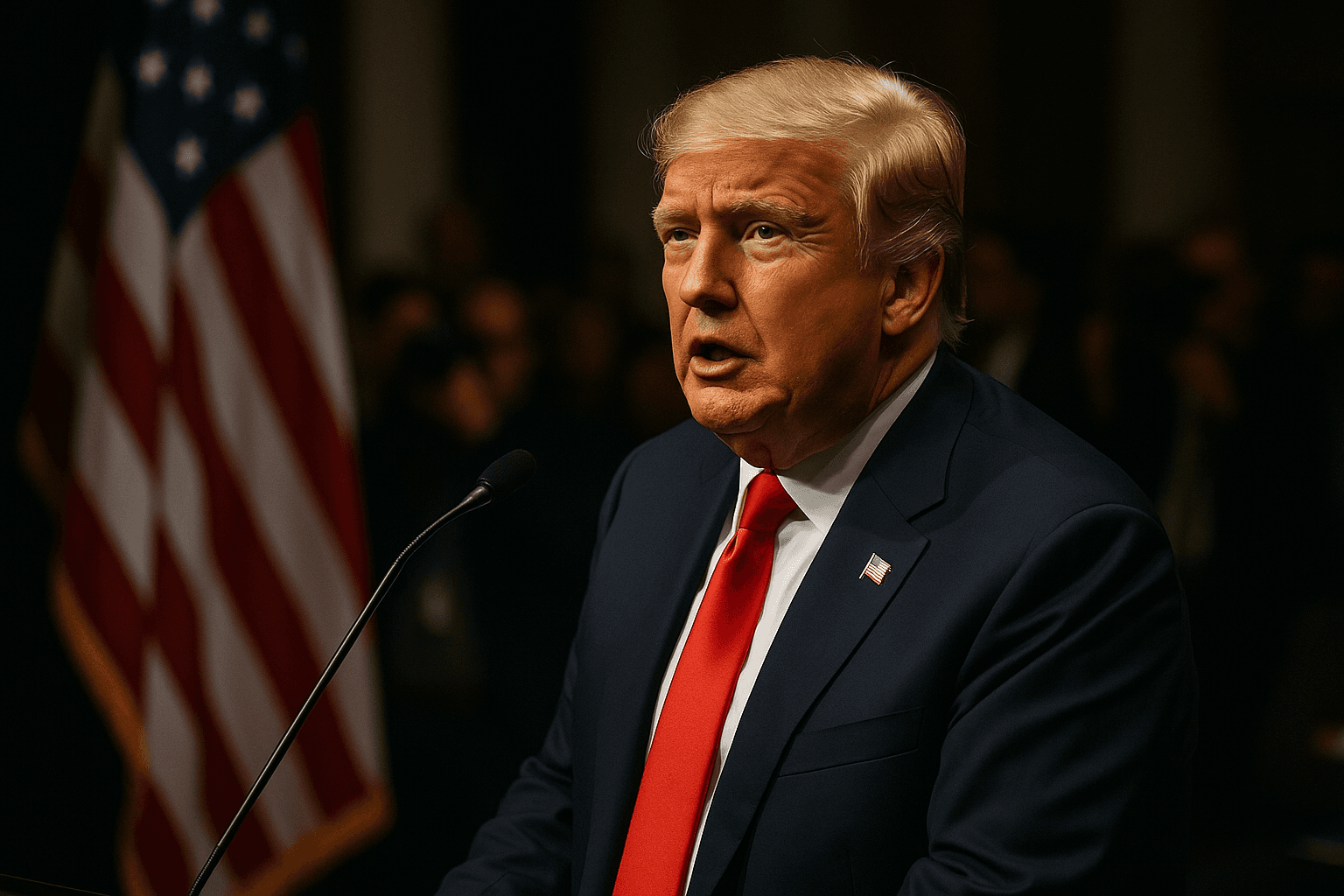
President Donald Trump told reporters on Thursday that he expects to announce the membership of a proposed Gaza Board of Peace in early 2026, reiterating a U.S. plan for a transitional international oversight body intended to guide reconstruction and security arrangements in Gaza. The board is described by the White House as a centerpiece of a U.S. brokered ceasefire and reconstruction framework, and Mr. Trump said leaders of the most important countries were eager to participate.
The announcement comes as diplomats continue shuttle efforts to consolidate a ceasefire that would allow large scale reconstruction to begin. International organizations and governments have made repeated appeals for funds and access, and estimates from aid agencies and financial institutions place reconstruction needs in Gaza in the tens of billions of dollars. The infrastructure damage, widespread displacement, and urgent humanitarian requirements mean that any oversight mechanism will face immediate fiscal and logistical challenges.
A functioning international board could shape how donor commitments are pooled, monitored, and disbursed. Donor coordination has been a persistent obstacle in previous reconstruction efforts, where fragmentation of pledges and lapses in oversight eroded confidence. Placing reconstruction under a multilateral board may be intended to reassure major contributors, preserve continuity of aid, and attach conditions linking security guarantees to rebuilding efforts. The White House framing suggests Washington wants an entity that can marshal financial flows while addressing security concerns raised by Israel and regional states.
Market participants will watch how quickly pledges materialize and whether established institutions such as the World Bank or the United Nations take formal roles. Reconstruction spending on the scale envisioned would alter demand for construction materials, logistics services, and engineering work across the region, and could create contracting opportunities for international and regional firms. Conversely, uncertainty over governance and security could depress private participation, and delays in disbursement would amplify humanitarian strain.
The timing also carries political consequences. Announcing a membership list in early 2026 places the initiative squarely in the calendar of a U.S. election year. That may sharpen domestic scrutiny of any U.S. financial commitments and influence which countries agree to take visible roles. For regional capitals, participation offers diplomatic leverage but also exposure to criticism if progress stalls.
Implementation risks are substantial. A board will need clear mandates on procurement, site clearance, vetting contractors, and coordinating with deconfliction mechanisms for security. It will also need mechanisms to verify that reconstruction does not enable future violence, a central concern for Israel and other stakeholders. Without enforceable security arrangements and robust accountability, financial contributions may be limited or delayed.
As diplomats negotiate ceasefire terms, the coming weeks leading to the expected announcement will test whether international consensus can translate into durable funding and operational plans. The ultimate success of the Board of Peace will depend on whether it can convert pledges into on the ground rebuilding while managing security and political tensions that have defined the Gaza crisis.
Sources:
Know something we missed? Have a correction or additional information?
Submit a Tip