Trump Says Support for Immediate Rate Cuts Will Decide Fed Chair Pick
President Trump tells Politico that anyone he nominates to lead the Federal Reserve must back immediate interest rate cuts, a stance that raises fresh questions about central bank independence and the near term economic path. The announcement matters to everyday Americans because decisions on interest rates shape inflation, borrowing costs, healthcare financing and the economic stability of the most vulnerable communities.

President Donald Trump told Politico on December nine that candidates for chair of the Federal Reserve must endorse immediate reductions in interest rates, framing support for quick action as a litmus test for his pick. The comments land just days before the central bank meets in December, adding a political dimension to an already heated debate among policymakers and markets over the Fed's next moves.
The White House position moves the fight over monetary policy from technocratic deliberation into overt political terrain. Economists and investors watch for signs that the Fed will lower rates to ease borrowing costs and stimulate growth, but the push from the executive branch raises concerns about preserving the central bank's institutional independence. The specter of a nominee selected primarily for alignment with presidential timetables on policy could alter expectations for the Fed's conduct and its willingness to prioritize price stability over political pressures.
The ripple effects extend into neighborhoods and clinics where families make daily choices about food, childcare and care for sick relatives. Interest rate policy shapes inflation and employment, two major determinants of community health. Rapid cuts could lower mortgage and loan payments, easing financial strain for homeowners and small businesses that sustain local economies. At the same time, faster easing risks rekindling inflationary pressures that hit low income households disproportionately by raising the cost of groceries, utilities and medical care.
Healthcare providers and public health systems also feel the impact. Lower rates generally reduce borrowing costs for hospitals and community health centers, potentially allowing expansion of services and capital improvements in under resourced areas. Conversely, unexpected inflation can squeeze hospital budgets by pushing up supply costs and complicating long term planning for Medicaid programs that serve low income and disabled populations. Those trade offs matter most for communities of color and rural areas that already face structural barriers to care.
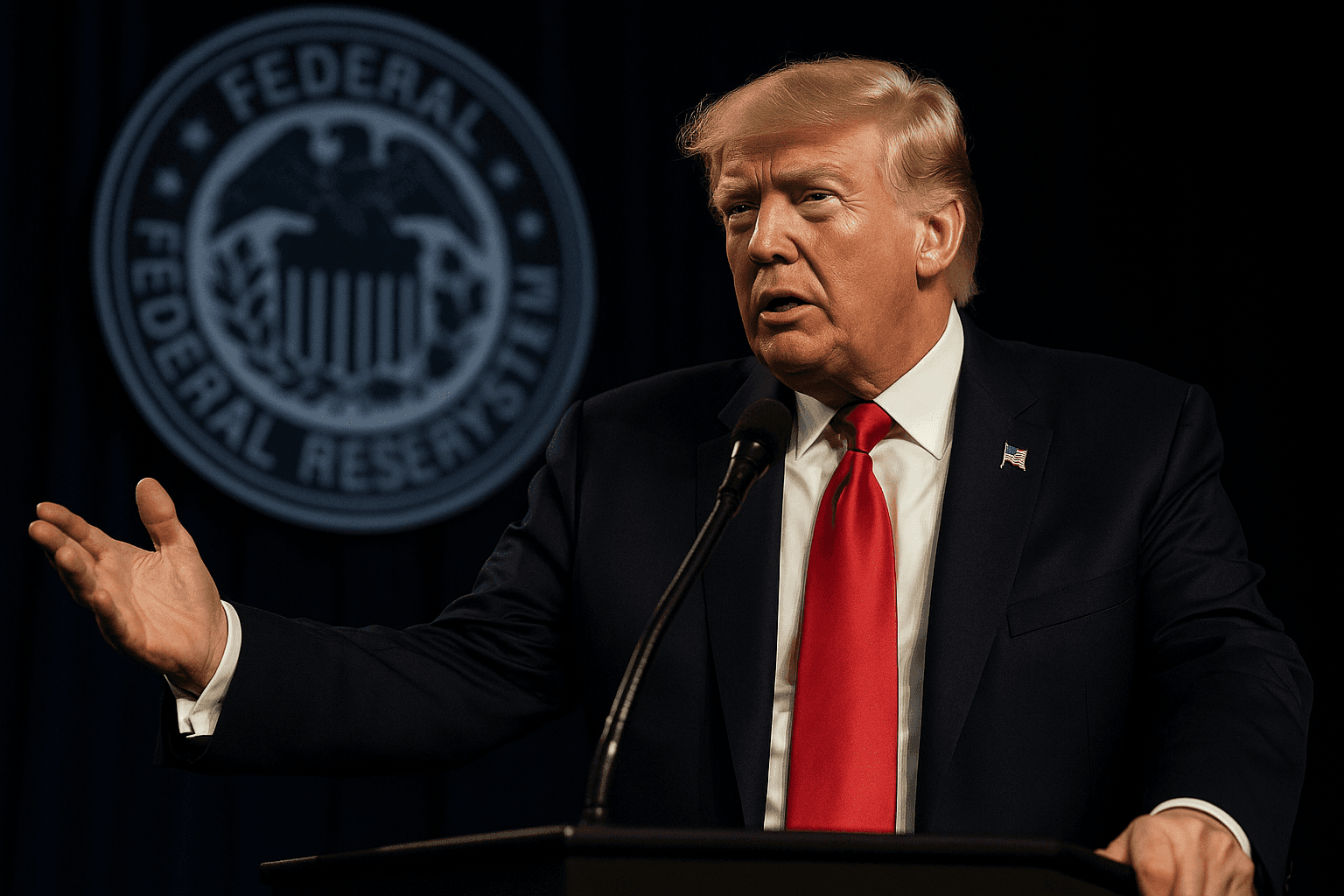
Beyond immediate economic trade offs, the president's declaration highlights how monetary policy intersects with fiscal and social policy. If a Fed chair is chosen in alignment with White House preferences for near term easing, it may affect federal budget dynamics through changed borrowing costs and influence debates over spending on public health, housing and social services. Communities that rely on public investments could see outcomes shaped indirectly by interest rate decisions made in Washington and at the Fed.
With the December meeting looming, markets will be parsing every signal from the central bank and the White House. For residents of cities and small towns alike, the stakes are not abstract. Interest rates help determine whether families can afford medicine, whether clinics can expand services, and whether local governments can finance public health improvements. The contest over a Fed chair nominee therefore carries consequences for economic stability and health equity across the country.