Two four storey buildings collapse in Fes, at least 19 killed
Rescue teams in Fes searched through rubble after two adjacent four storey apartment buildings collapsed overnight, killing at least 19 people and injuring others. The disaster underscores concerns about building safety, enforcement of construction rules, and the fiscal burden of emergency response for Moroccan cities.
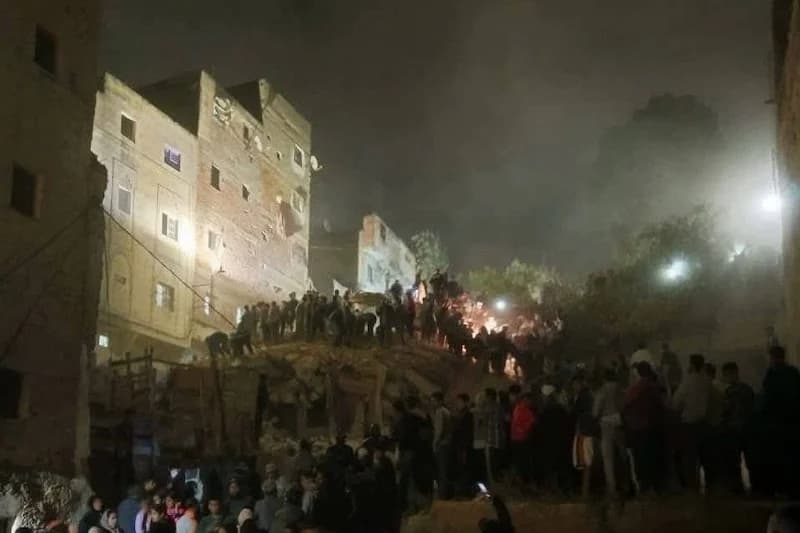
Emergency crews conducted search and rescue operations after two adjacent four storey residential buildings collapsed overnight in the Al Massira and Al Mustaqbal neighbourhoods of Fes on December 10, 2025. State media and local officials initially reported at least 19 deaths and multiple injuries, and local authorities warned the casualty figure could rise as rescuers continued to work through the rubble into the following day.
One of the buildings was reported to have been hosting a family celebration at the time of the collapse, increasing the number of people inside both buildings. Authorities said some structures in the area had shown visible cracking beforehand. Local civil protection units, elements of the Royal Armed Forces and heavy equipment were mobilized to remove debris and search for survivors, while a judicial investigation was opened to determine the cause, including possible structural failures or illegal alterations to the properties.
The immediate human toll is stark, but the economic consequences will extend beyond the neighbourhood. Municipal officials face the immediate costs of emergency response, debris removal and temporary shelter for displaced residents. Those costs typically fall on local budgets that are already strained in mid sized Moroccan cities, forcing municipalities to reallocate funds from other services or to seek national assistance.
The collapse raises questions about the integrity of the housing stock in older urban districts. Visible cracking reported before the incident points to either deferred maintenance or work that compromised structural elements. Urban areas with ageing buildings and informal construction practices often see a higher incidence of such failures, and a judicial probe will be tasked with establishing whether illegal alterations played a role. If so, enforcement measures and potential liability claims could follow, increasing financial exposure for owners and contractors.
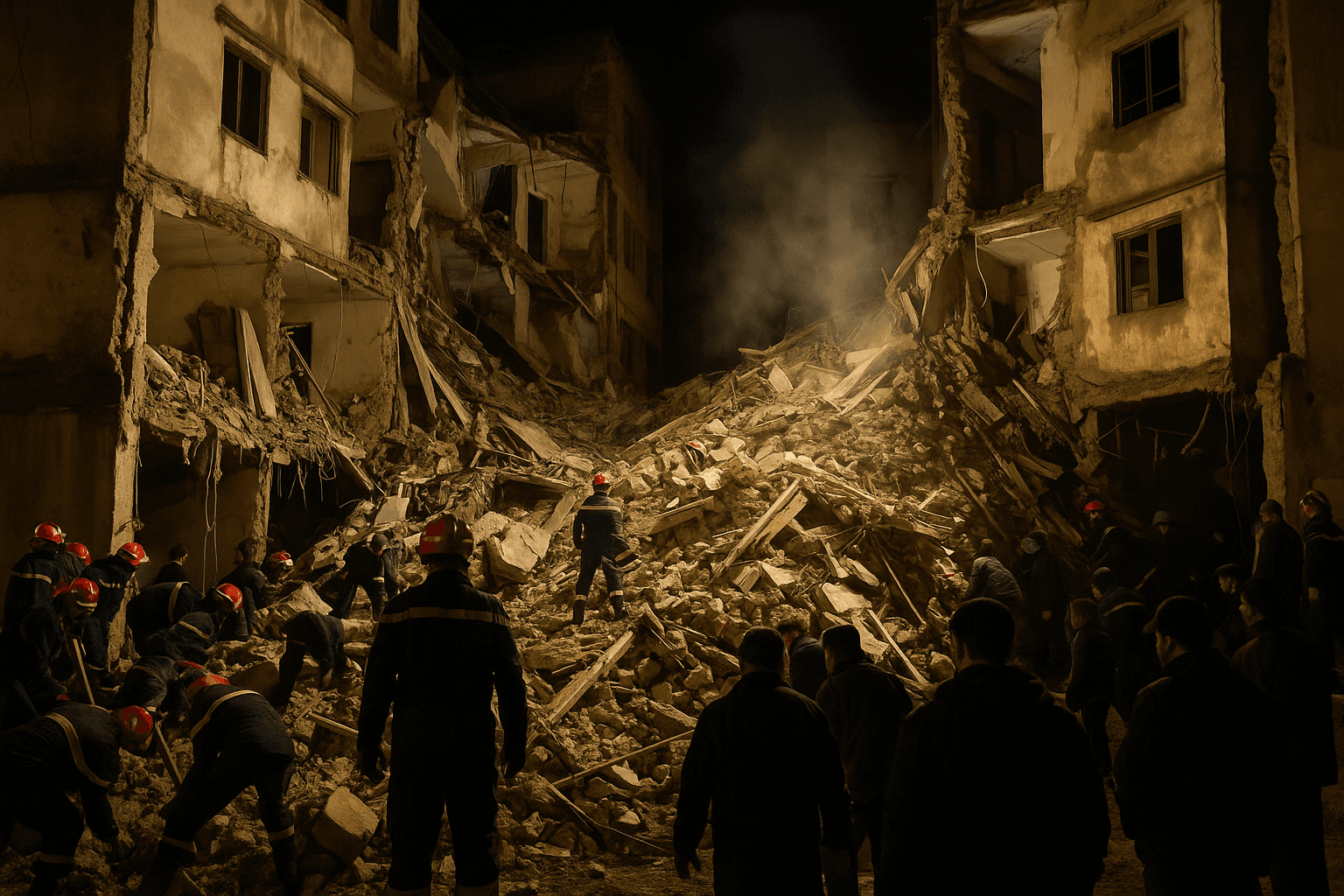
Market implications could include a short term drop in local property demand as buyers and renters reassess safety risks. Insurance uptake for property damage and liability is limited in many parts of Morocco, particularly for lower income housing, so many homeowners and tenants may rely on public assistance rather than private claims. For construction and engineering firms, the investigation may spur scrutiny of past projects and stricter oversight of current works, which over time can raise compliance costs and slow permit approvals.
Longer term policy responses are likely to centre on inspection regimes, retrofitting programs and incentive structures to bring informal structures into compliance. Financing those measures will be a political and fiscal decision. Preventive investment in inspection capacity and targeted support for low income homeowners to repair or reinforce buildings can reduce future tragedies, but such programs require recurring budgets and clear legal authority to limit unsafe modifications.
As rescue teams continue their work, authorities in Fes must reconcile immediate humanitarian needs with the broader task of restoring confidence in urban housing. The judicial probe will be closely watched for its findings on causation, and its outcome may shape regulatory and fiscal choices that affect construction standards and municipal risk management across Morocco.
Sources:
Know something we missed? Have a correction or additional information?
Submit a Tip