UAE backed Southern Council Seizes Oil Provinces, Raising Gulf Tensions
Forces of the UAE backed Southern Transitional Council have seized large parts of southern Yemen including the oil producing provinces of Hadramawt and Mahra, and strategic facilities that control border access and energy infrastructure. The rapid advance sidelines Saudi backed elements, amplifies the Emirati Saudi rivalry over influence in Yemen, and risks reigniting fighting among anti Houthi factions while complicating regional diplomacy and humanitarian relief.
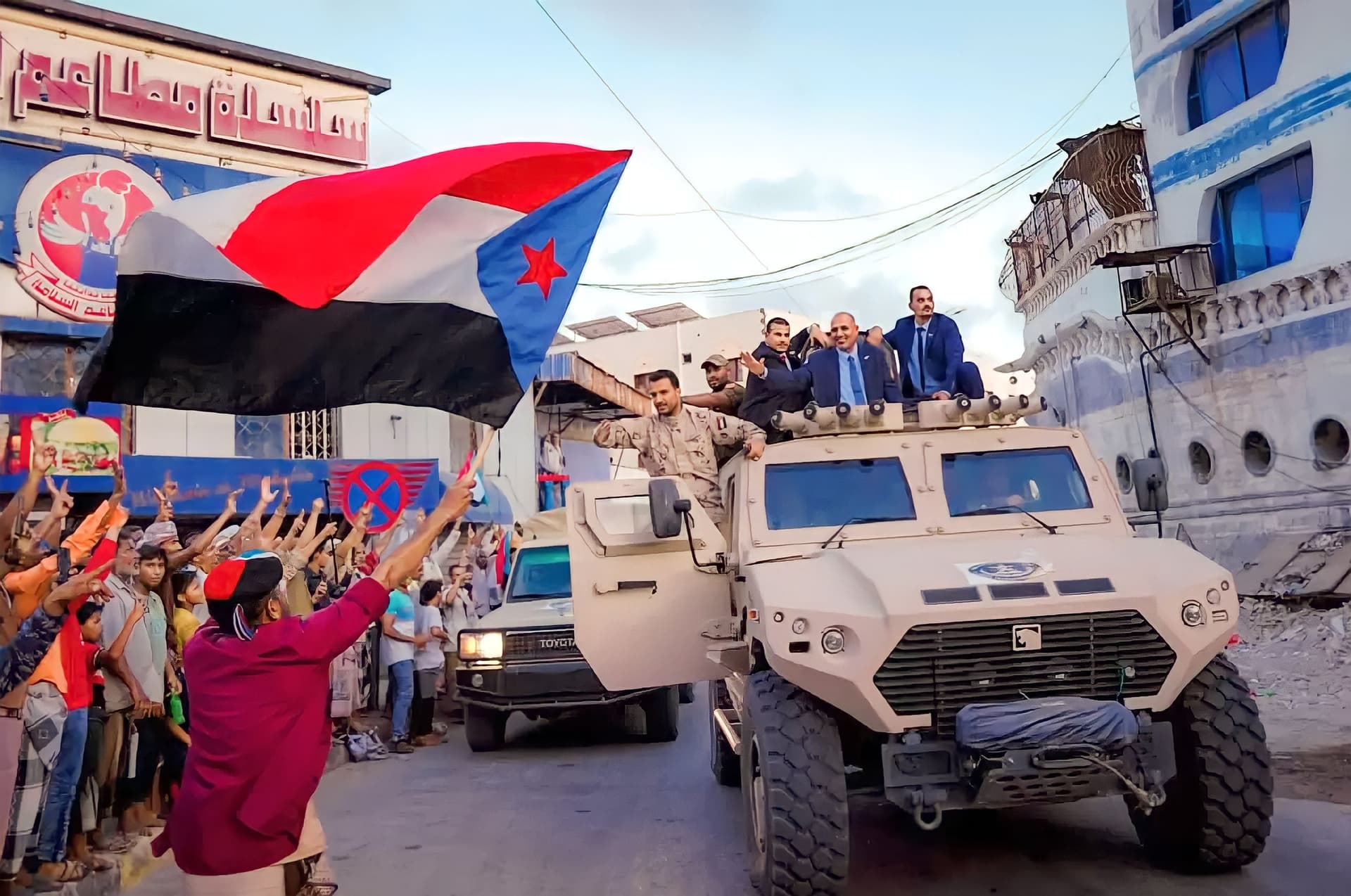
Forces aligned with the Southern Transitional Council have pushed swiftly across southern Yemen, taking control of substantial territories in Hadramawt and Mahra provinces and seizing strategic towns and facilities, according to reporting by the Associated Press and regional outlets. The offensive included the capture of Seiyun and other towns, control of key oil facilities, the Mahra border crossing with Oman, and movement into parts of the southern capital Aden.
The STC is part of the broader anti Houthi camp but pursues a separatist agenda and receives backing from the United Arab Emirates. Its gains have left forces supported by Saudi Arabia sidelined on the ground and prompted Riyadh to express strong concern. Saudi authorities have repositioned forces and diplomatic initiatives are reported to be under way to de escalate the immediate crisis.
The seizure of Hadramawt is particularly consequential because the province contains much of Yemen's remaining oil production and export infrastructure. Control of these assets gives the STC leverage over revenues and supply lines, and raises the stakes for neighbors and international actors wary of any disruption to energy flows and commercial shipping in the Gulf of Aden and the Arabian Sea. The takeover of the Mahra border crossing also poses immediate diplomatic sensitivities with Oman, which shares a long border and has maintained cautious neutrality throughout Yemen's civil war.
Analysts warn that the move could fracture the anti Houthi coalition and lead to renewed clashes among southern and northern factions who had been united only tenuously against the Houthi movement. Yemen’s conflict has long been characterized by shifting alliances and local power contests that complicate efforts to achieve a sustained political settlement. The STC’s territorial gains may harden positions on both sides and undermine fragile initiatives aimed at stabilizing the country.

Beyond the battlefield, the developments carry international legal and humanitarian implications. Unilateral changes in control of territory affect obligations under international humanitarian law, particularly the protection of civilians and the delivery of aid in a country that remains heavily dependent on external assistance. Relief organizations and neighboring states will face new logistical and security challenges in ensuring humanitarian access to civilians across the south.
The unfolding events also underscore an intensifying competition for influence between the UAE and Saudi Arabia in Yemen, a rivalry that has broader implications for Gulf unity and regional diplomacy. For external powers engaged in Middle Eastern stability, the imperative now is to prevent further escalation and to support channels for negotiation that preserve humanitarian corridors and respect state sovereignty.
As diplomatic contacts proceed, international observers will be watching whether the STC consolidates its hold on southern infrastructure or whether counter moves by Saudi backed forces lead to a wider confrontation. The immediate priority for regional actors and aid agencies is to protect civilians and keep essential services and borders functioning amid an uncertain and rapidly changing security landscape.
Sources:
Know something we missed? Have a correction or additional information?
Submit a Tip