Ukraine Strikes Deep Inside Russia, Hits Ryazan and Voronezh Targets
Ukrainian forces launched drone attacks overnight that Russian regional authorities say struck sites in the Ryazan and Voronezh regions, widening the scope of a campaign that has increasingly targeted energy and fuel infrastructure. The strikes underscore rising tensions along the long wartime frontier, raising fresh legal and diplomatic questions for Kyiv, Moscow and Western capitals.

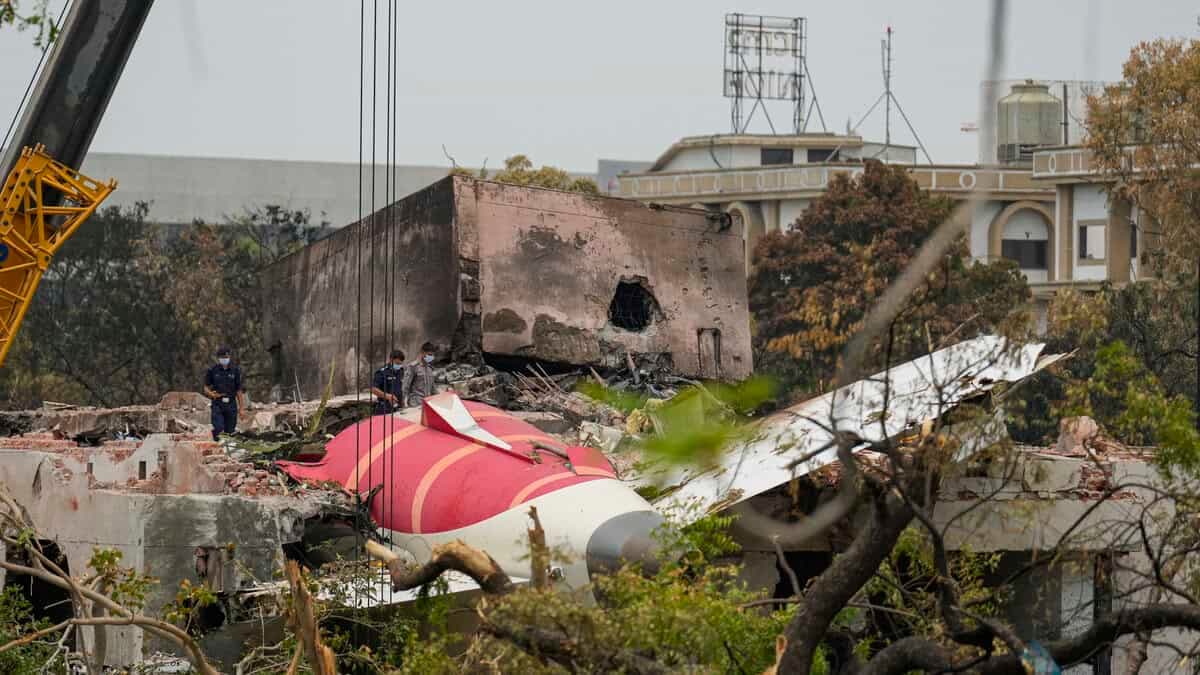
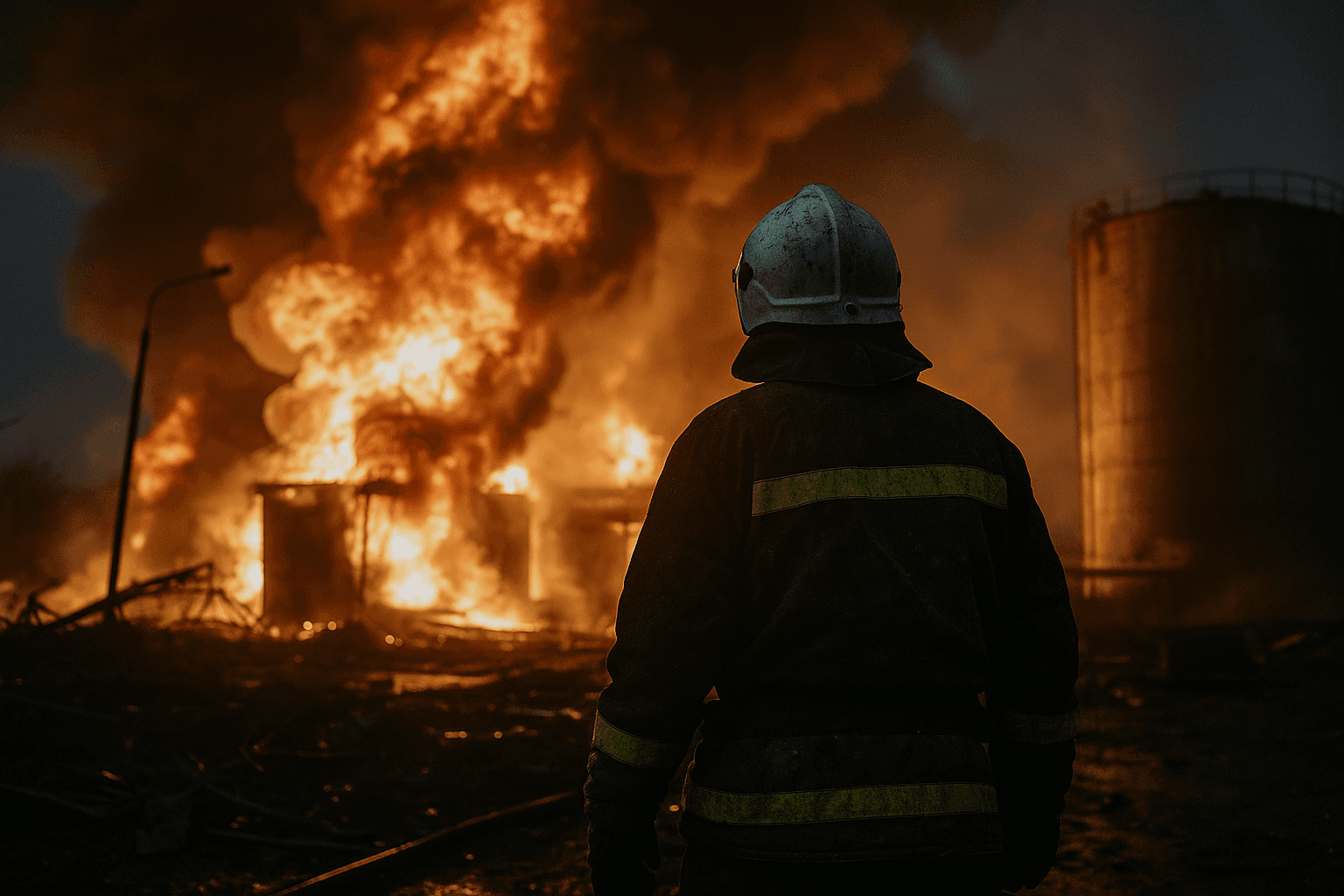
Ukrainian forces carried out overnight drone strikes that hit targets in Russia’s Ryazan and Voronezh regions, regional governors reported early on December 6. In Ryazan authorities reported a fire on the roof of a multi storey residential building and said debris landed on the grounds of an industrial facility. In Voronezh regional officials reported damage to a fuel station, a school and several residential buildings.
Russian federal authorities said air defenses intercepted many of the incoming drones, with Moscow describing the attacks as being repelled after intercepts over several provinces. No national casualty totals were provided in the initial statements released by Russian agencies and regional administrations. Independent verification of the scope and location of damage remained limited in the immediate aftermath, complicating outside assessments.
The strikes are the latest phase of a campaign in which Ukrainian forces have increasingly struck energy, fuel and other infrastructure deep inside Russian territory. Kyiv has not published a detailed account of the operations, and the differing narratives offered by Moscow and regional officials highlight the informational contest that accompanies kinetic activity along the front line.
Strategically, such strikes serve multiple purposes. Targeting fuel and logistics hubs can degrade the ability of forces to sustain operations, while operations inside Russian regions are also intended to impose political and economic costs that complicate domestic support for the war effort. For Moscow the incidents are likely to reinforce calls for stepped up air and missile defense measures and could harden public sentiment against any conciliatory impulses.
The incidents also pose acute risks for civilians. Damage to housing, to a school and to a fuel station in a populated area raises the prospect of civilian casualties through both direct impact and secondary effects such as fires and disruptions to essential services. Local authorities in the affected regions are responsible for emergency response, but cross border strikes by unmanned systems complicate evacuation planning and humanitarian access.
From the standpoint of international law, cross border strikes raise contested legal questions about the right to self defense and the obligations to avoid harm to civilians and civilian objects. Assessments hinge on the targets struck, the proportionality of any attack and the precautions taken to minimize civilian harm. With independent verification limited, legal and diplomatic judgment will be shaped by later evidence about intent, target selection and effects.
The strikes are likely to become a focus in diplomatic capitals already managing a volatile confrontation between Russia and Ukraine. Western allies that have supplied technology and intelligence face renewed scrutiny about how support is calibrated to reduce escalation risks while reinforcing Ukraine’s capacity to defend itself. For Moscow the attacks strengthen arguments for increased domestic security measures and for reprisals that would further blur the distinction between frontline and rear areas.
As both sides present differing accounts and as independent reporting remains constrained, the immediate humanitarian and strategic consequences will depend on follow up reporting, damage assessments and whether the exchanges escalate into broader strikes beyond the current round of drone activity.